


Stegosaurus

Name meaning:
Roofed lizard
Period of life:
155–145 mya
Period:
Jurassic period
Habitat:
Deserts and semi-deserts
Taxonomy:
Stegosaurs
Countries:





 Diplodocus


Megazostrodon


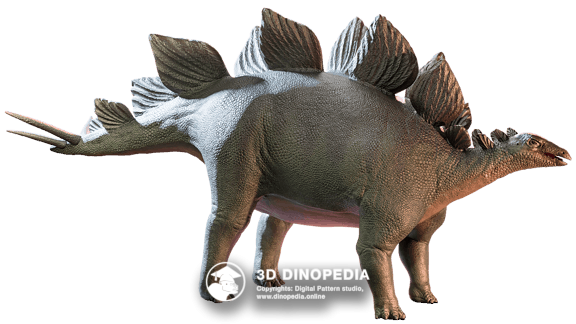
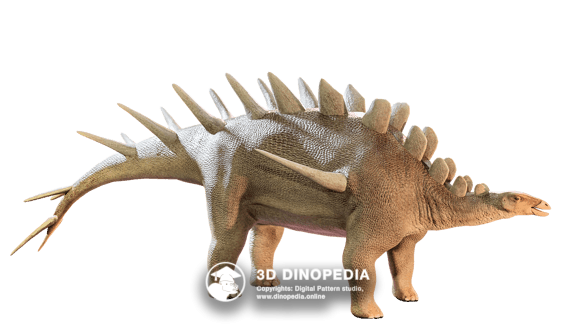
Stegosaurus is one of the most recognizable dinosaurs on the planet and the largest representative of its group, the stegosaurs, within the ornithischian order. It lived about 155–145 million years ago, during the Late Jurassic, when giants of many shapes and sizes roamed the plains of North America and Europe.
This dinosaur was impressive in size, reaching up to 7.5 meters in length, about 3.5 meters in height, and weighing as much as 5 tons. Despite its massive body, its head appeared remarkably small—only about 35 centimeters long, smaller than that of a modern horse. Inside was a tiny brain, roughly the size of two walnuts.
Stegosaurus was herbivorous. It clipped leaves and shoots with a horny beak at the front of its jaws. Its small teeth could only tear vegetation into pieces rather than chew it. To compensate, Stegosaurus, like many other herbivorous dinosaurs, swallowed small stones known as gastroliths. These helped grind food inside the stomach, functioning like natural millstones. It likely fed almost continuously, as such a large body required a constant supply of energy.
Stegosaurus moved on four legs: the hind limbs were powerful and long, while the forelimbs were shorter. Because of this, its back had a distinctive arch, forming a characteristic hump. Along the neck, back, and tail ran between 17 and 22 bony plates—large, diamond-shaped structures arranged in two alternating rows.
The function of these plates remains debated. They may have served as defense against predators, making the animal appear larger and more intimidating. Another hypothesis suggests they were used in display during the breeding season, with males possibly having more brightly colored plates. Finally, one of the most popular ideas is that the plates helped regulate body temperature: by exposing them to sunlight, Stegosaurus could warm itself, while in hot conditions they may have helped dissipate excess heat.
The tail of this dinosaur was armed with four sharp bone spikes. Paleontologists refer to this weapon as a thagomizer. A single well-aimed blow from the tail could pierce the hide of even a large predator, and it may also have been used in ritualized combat between males.
Discussions
 Start a discussion

 0
0
 3
3
 685
685
Other animals


 INTERESTING FACTS
 PUZZLES
 HOME
HOME
 3D MODEL "SKIN"
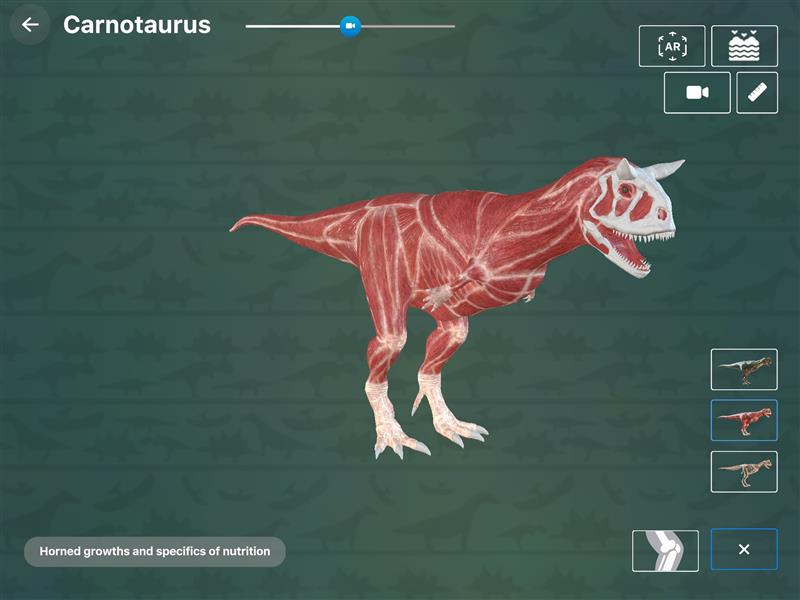
 3D MODEL "MUSCLES"
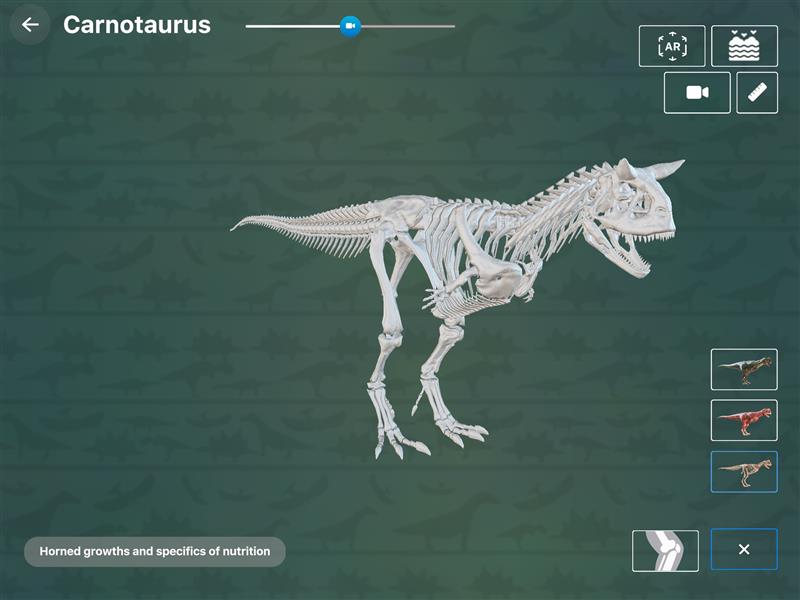
 3D MODEL "SKELETON"
 VISION
 NEIGHBORS
 VOICE ACTING
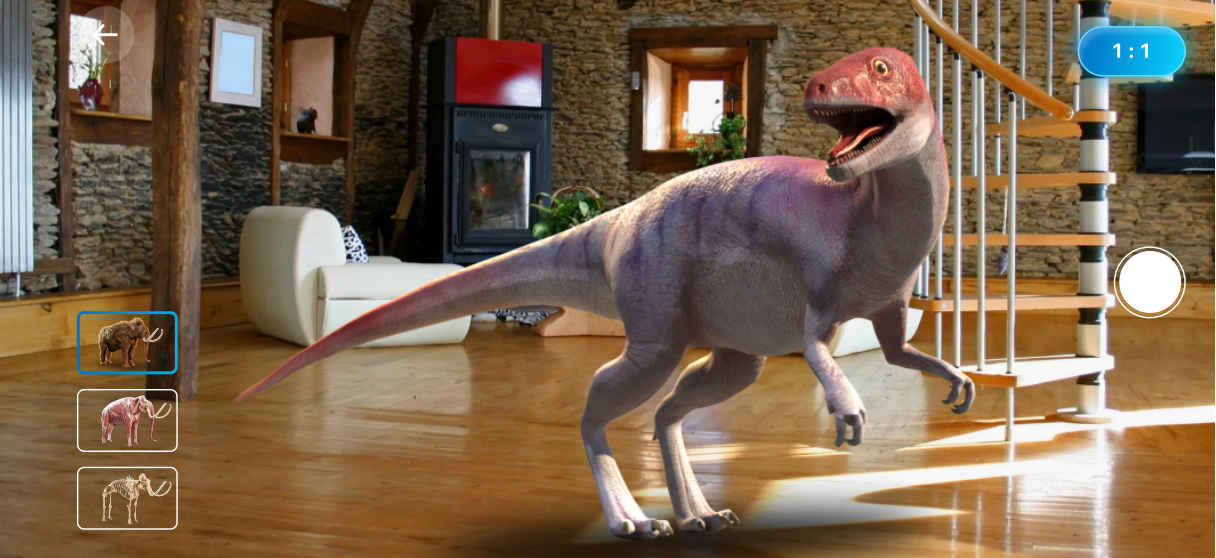
 AR - MODE
 GALLERY
 HISTORY OF DISCOVERIES

