


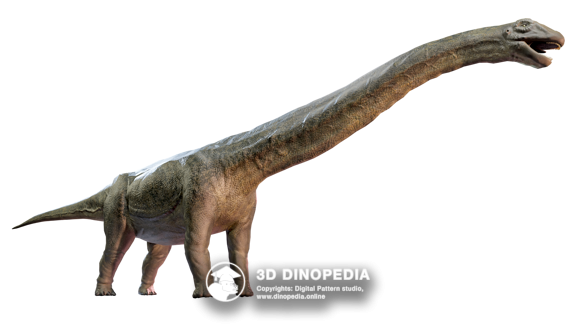
Argentinosaurus

Name meaning:
Argentine lizard
Period of life:
96-92 mya
Period:
Cretaceous period
Habitat:
Savannas and plains
Taxonomy:
Sauropodomorphs
Countries:




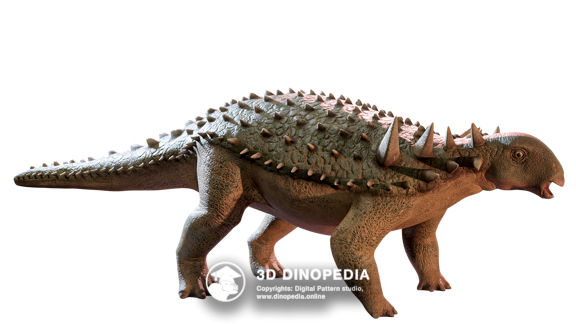 Sauropelta


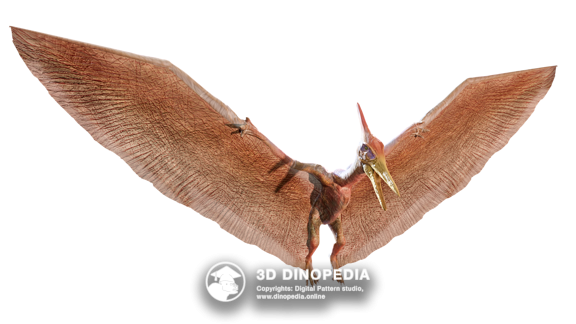
Pteranodon


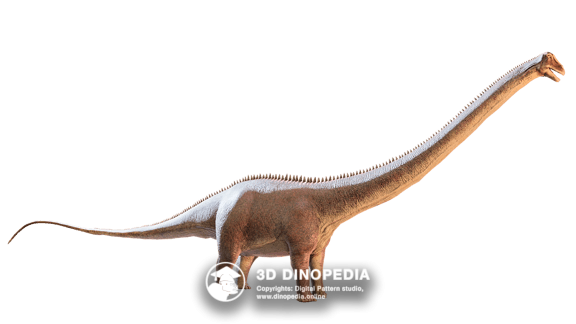
Argentinosaurus was a true giant of the dinosaur era, one of the largest known representatives of the sauropods — the famous “long-necked” dinosaurs. It lived during the Cretaceous Period, around 95 million years ago, in what is now South America.
According to paleontological estimates, this colossal animal reached about 35 meters in length and stood roughly 7 meters tall. Its mass may have ranged from 50 to 100 tonnes, with many researchers suggesting figures around 75–80 tonnes. That is comparable to the weight of an entire herd of elephants. To support such an enormous body, Argentinosaurus had extremely strong limbs: thick bones, massive joints, and powerful musculature formed a sturdy framework capable of bearing its tremendous weight.
Scientists have also suggested that pumping blood through a body of this size would have required a heart weighing hundreds of kilograms. However, the exact structure of its cardiovascular system remains unknown.
The skin of this giant was covered with tough, scale-like armor similar to that of modern crocodiles. This protective covering may have helped shield it from parasites and made attacks by even large predators more difficult.
Like all sauropods, Argentinosaurus was herbivorous. Its skull has not yet been discovered, but based on the teeth of related species, it likely stripped leaves and shoots rather than chewing them. Plant material was swallowed whole, and digestion may have been aided by gastroliths — stones swallowed to grind food inside the stomach like natural millstones.
The brain size of Argentinosaurus is still uncertain, but relative to its huge body it was probably very small. By comparison with other sauropods, its brain may have been no larger than a large sausage — remarkably modest for such a massive creature.
Argentinosaurus moved on four pillar-like legs, using its long tail for balance. Despite its size, it may have been able to walk at around 7 kilometers per hour, slightly faster than an average human pace.
Slow-moving yet majestic, Argentinosaurus was one of the true titans of the Cretaceous world — a living symbol of the extraordinary scale and diversity of prehistoric life.
Discussions
Start the first one!
 Start a discussion
Other animals



 INTERESTING FACTS
 PUZZLES
 HOME
HOME
 3D MODEL "SKIN"
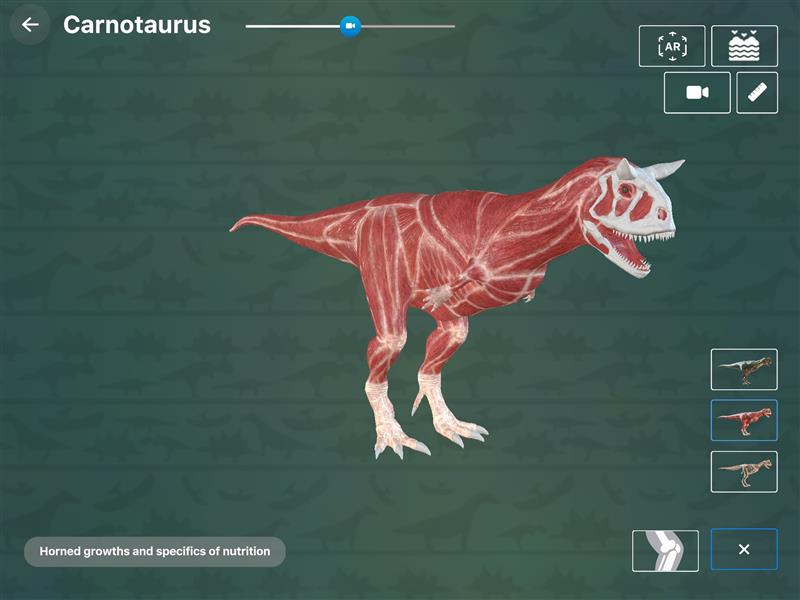
 3D MODEL "MUSCLES"
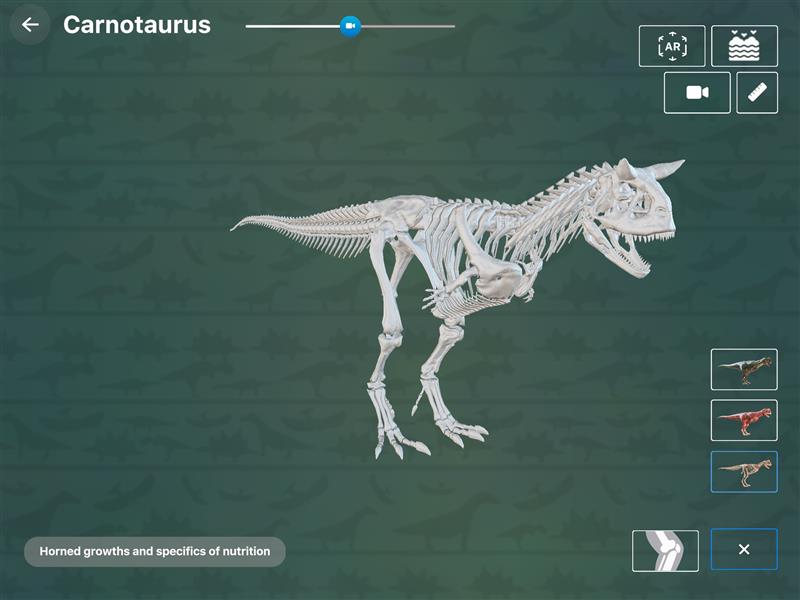
 3D MODEL "SKELETON"
 VISION
 NEIGHBORS
 VOICE ACTING
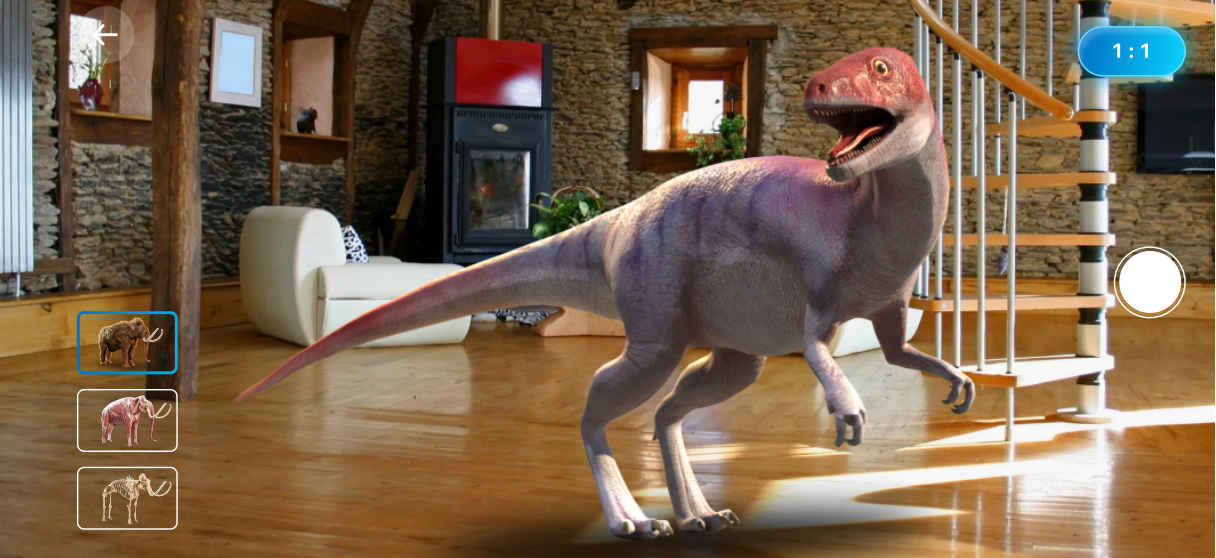
 AR - MODE
 GALLERY
 HISTORY OF DISCOVERIES

