


Muttaburrasaurus

Name meaning:
Lizard from Muttaburra
Period of life:
110-103 mya
Period:
Cretaceous period
Habitat:
Taiga
Taxonomy:
Ornithopods
Countries:




 Psittacosaurus


Pterodaustro


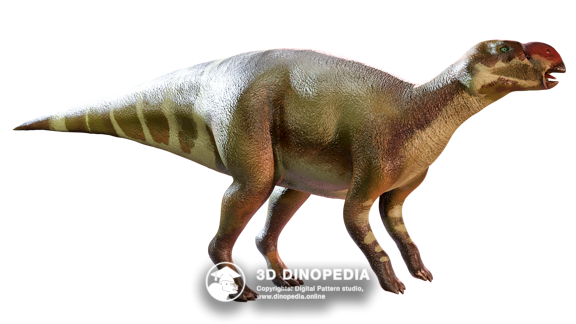
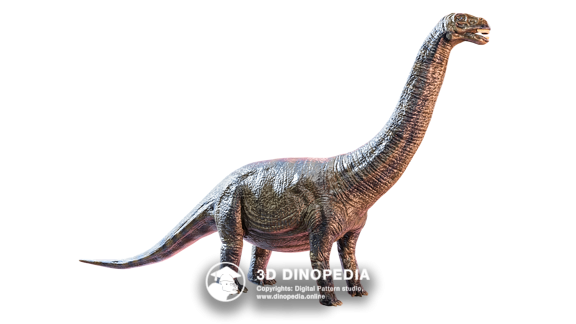
Muttaburrasaurus was a large herbivorous dinosaur of the Cretaceous Period, a representative of the ornithopod group. It lived about 106 million years ago in what is now Australia. The dinosaur received its name in honor of the town of Muttaburra, where its first fossil remains were discovered in 1963. In body structure, Muttaburrasaurus was similar to such well-known genera as Iguanodon and Camptosaurus.
This reptile reached about eight meters in length, approximately three meters in height, and weighed around three tons. The body of Muttaburrasaurus was robust yet streamlined, and its long neck gave it a relatively graceful appearance. It most likely moved on two powerful hind limbs, although it could have supported itself on all fours while feeding. Each foot had three toes, and the feet were probably equipped with soft pads, making its steps stable and smooth.
The most distinctive feature of Muttaburrasaurus was a high bony structure on its snout — a kind of crest. Its function remains uncertain. It may have helped amplify sounds, allowing the animals to produce loud calls, or served as a display structure during the breeding season. Some researchers have suggested a defensive function, but this hypothesis is the least supported.
Muttaburrasaurus most likely fed primarily on tough vegetation — ferns, horsetails, leaves, and early flowering plants. The beak-like front of the jaws lacked teeth and was used for cropping greenery, while the posterior part contained large teeth arranged into a kind of «cheek-tooth battery» These teeth ground coarse plant matter much like millstones. A large stomach and elongated intestines helped digest plant material thoroughly, extracting maximum nutrients.
Muttaburrasaurus was a true «herbivorous giant» of its time — a peaceful inhabitant of ancient Australian plains, spending its days moving slowly across sunlit valleys in search of fresh vegetation.
Discussions
 Start a discussion
 0
0
 0
0
 299
299

Other animals



 INTERESTING FACTS
 PUZZLES
 HOME
HOME
 3D MODEL "SKIN"
 3D MODEL "MUSCLES"
 3D MODEL "SKELETON"
 VISION
 NEIGHBORS
 VOICE ACTING
 AR - MODE
 GALLERY
 HISTORY OF DISCOVERIES

