


Velociraptor

Name meaning:
Swift predator
Period of life:
75-71 mya
Period:
Cretaceous period
Habitat:
Deserts and semi-deserts
Taxonomy:
Theropods
Countries:





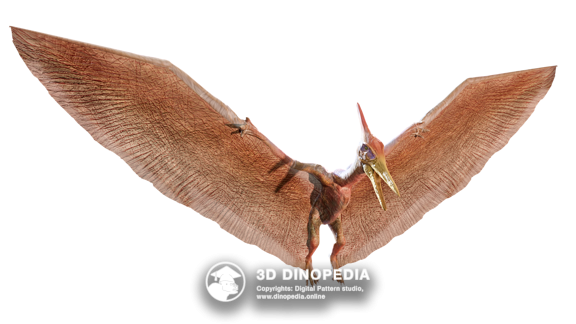 Pteranodon


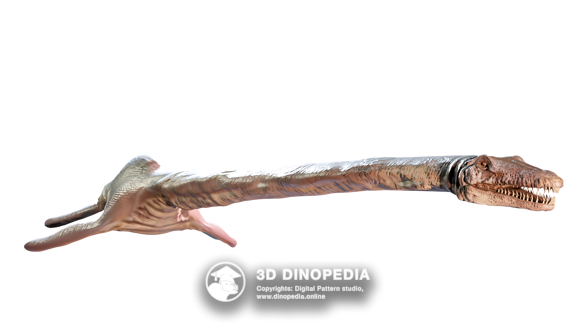
Albertonectes


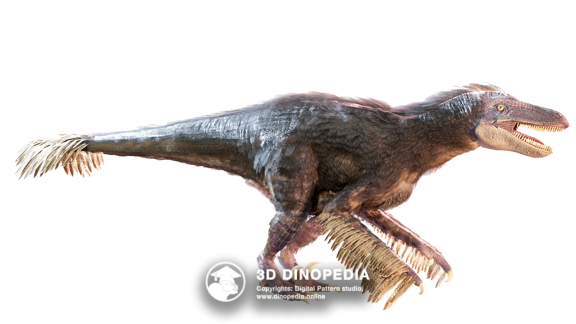
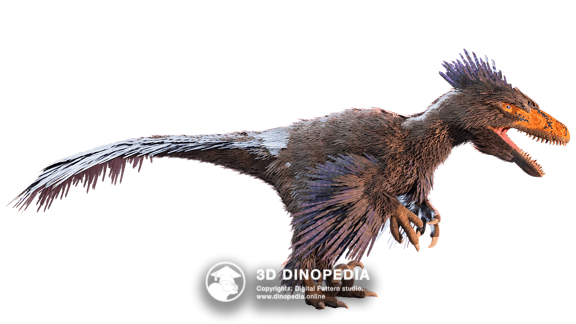
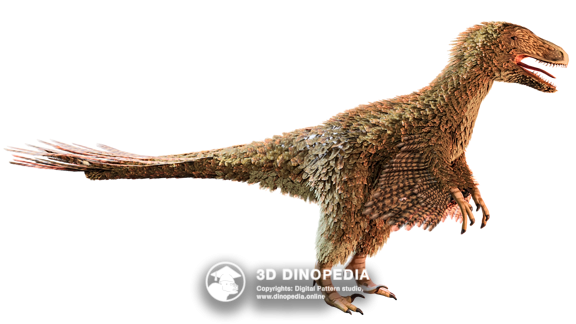
Velociraptor was one of the most well-known predators of the Cretaceous period. This small but highly dangerous dinosaur lived about 75 million years ago in what is now Asia. Its remains were first discovered in 1923 by an expedition led by the renowned explorer Roy Chapman Andrews in the Gobi Desert. The name Velociraptor is translated from Latin as “swift hunter,” and this designation is well justified.
Despite its relatively small size—about 60 centimeters in height and weighing no more than 20 kilograms—Velociraptor was fast and lethal. Scientists suggest that it could reach speeds of up to 36 kilometers per hour, making it a formidable threat to small animals of the Cretaceous world.
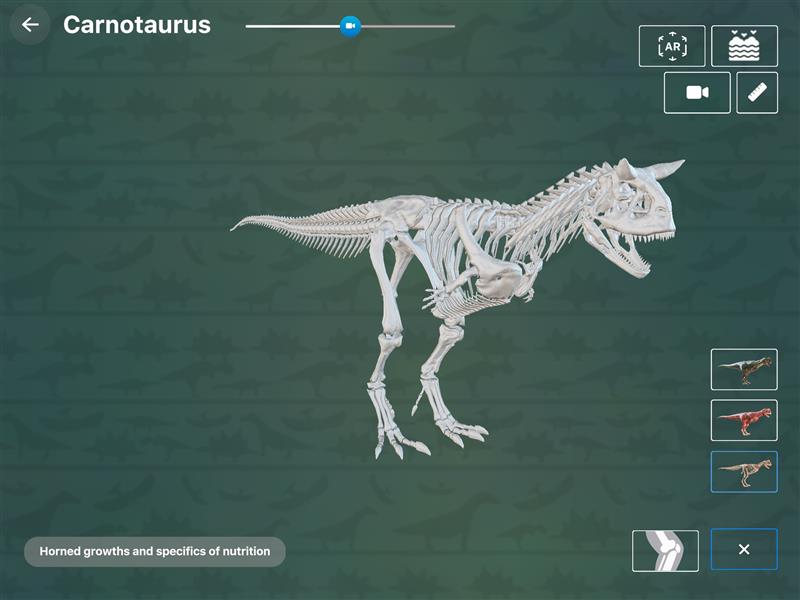
The skull of Velociraptor was elongated and lightweight, with large openings that reduced its mass. Its jaws contained around 50 sharp, backward-curving, serrated teeth—an ideal tool for gripping and tearing prey. In addition, its brain was relatively large, indicating a comparatively high level of intelligence among dinosaurs.
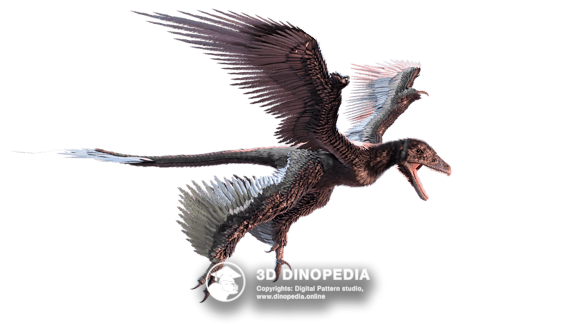
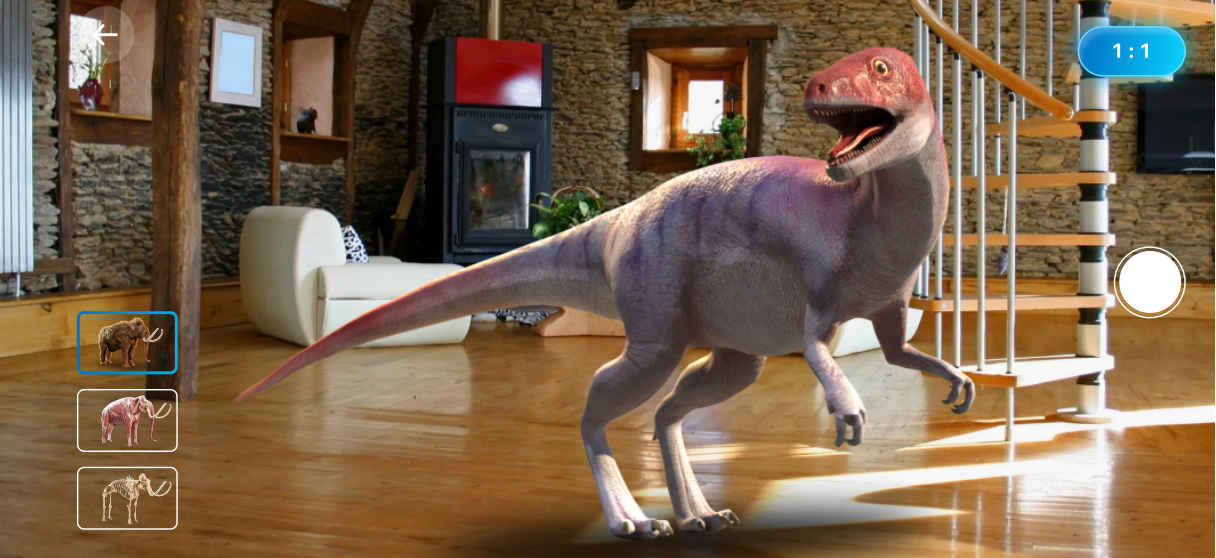
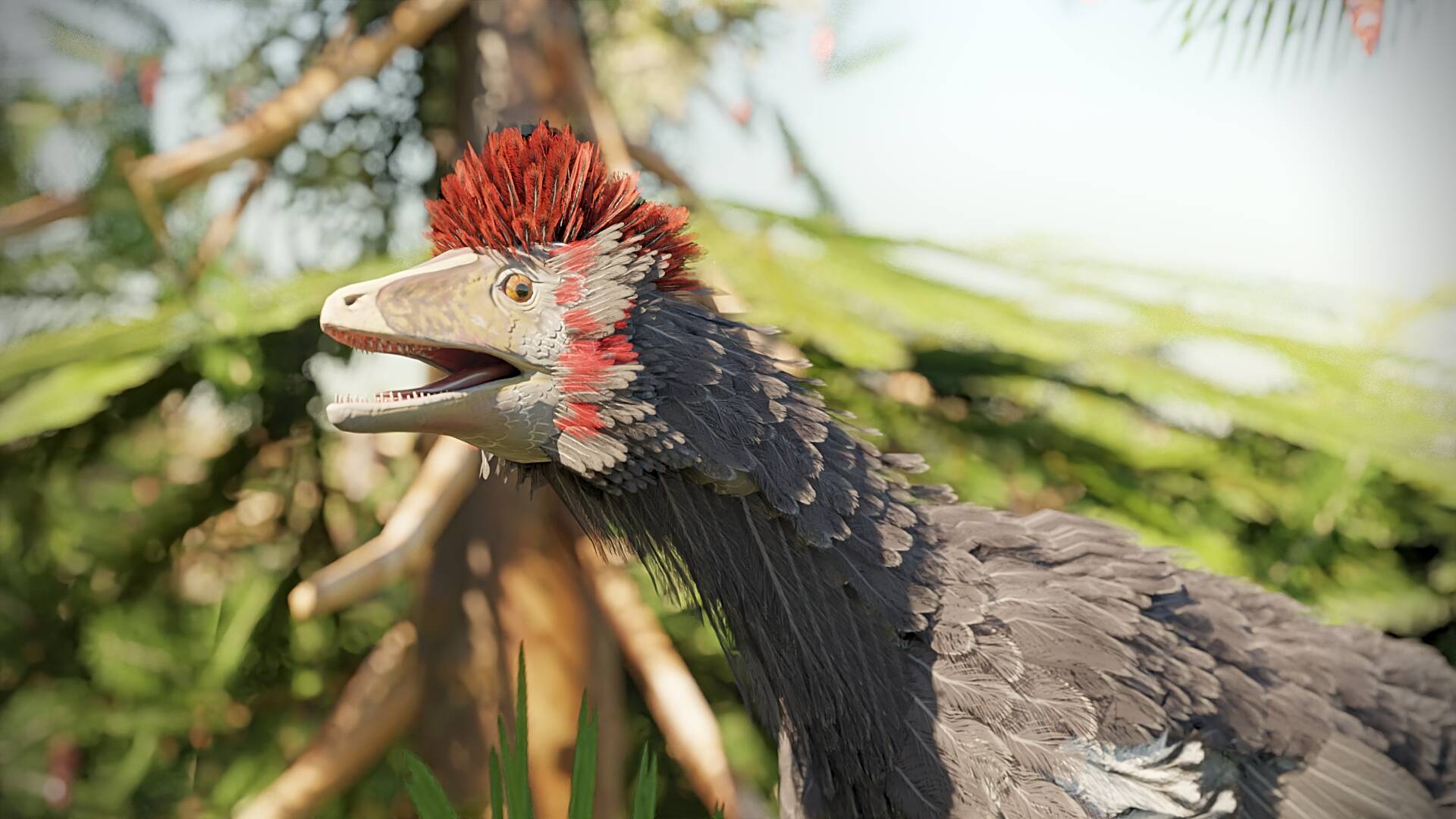
Today, paleontologists are confident that Velociraptor was feathered. Knobs on its ulna indicate attachment points for flight feathers, similar to those of modern birds. Large feathers on the forelimbs may have been used for courtship displays or for protecting eggs in nests. Its long, stiff tail was also feathered and helped maintain balance during running and jumping.
Velociraptor primarily fed on small animals, including lizards, small dinosaurs, and possibly early mammals. Its narrow snout, sharp teeth, and agility made it an effective hunter, capable of pursuing and quickly subduing fast-moving prey.
Discussions
 Start a discussion


yoshi
6 months ago
HISTORY STATS
PLEASE ,.......add histories about each dinos here.
THANK YOU
THANK YOU
0
 0
0
 1
1
 358
358
Other animals
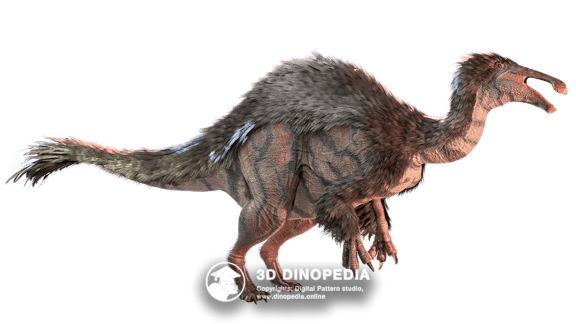



 INTERESTING FACTS
 PUZZLES
 HOME
HOME
 3D MODEL "SKIN"
 3D MODEL "MUSCLES"
 3D MODEL "SKELETON"
 VISION
 NEIGHBORS
 VOICE ACTING
 AR - MODE
 GALLERY
 HISTORY OF DISCOVERIES

