


Liliensternus
Name meaning:
In honor of the Count Hugo Rühle von Lilienstern
Period of life:
228-201 mya
Period:
Triassic period
Habitat:
Floodplains
Taxonomy:
Theropods
Countries:





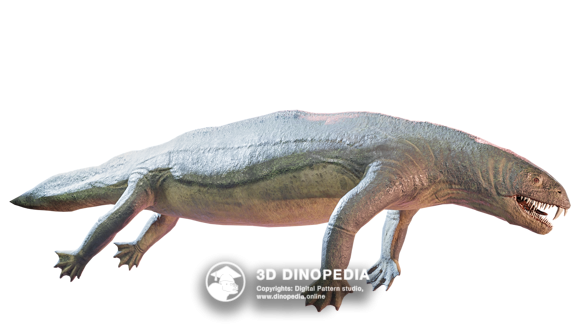 Helveticosaurus


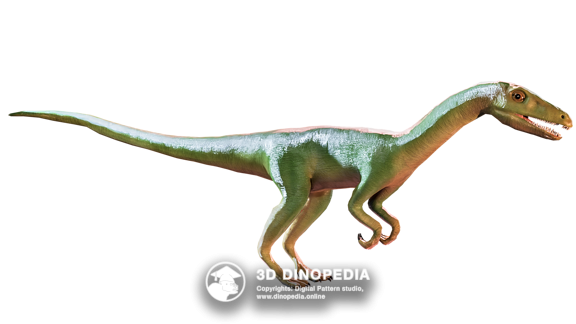
Tawa


Named in honour of the amateur palaeontologist Count Hugo Rühle von Lilienstern, who discovered this dinosaur.
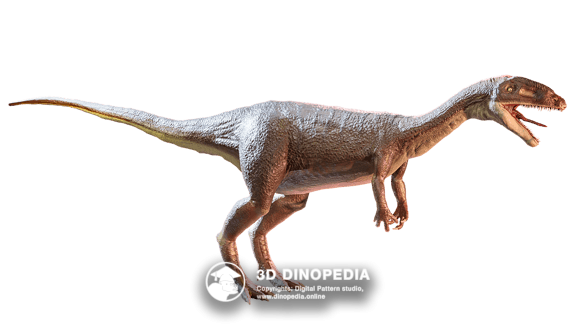
Liliensternus was one of the largest predators of the Late Triassic and perhaps the most formidable European theropod known to science from that time. This dinosaur lived around 210 million years ago, when vast plains and arid valleys stretched across what is now Germany and Switzerland.
The body length of Liliensternus exceeded 5 metres — it was a true giant among its Triassic contemporaries. Its skeleton has been reconstructed from fossil remains found in Upper Triassic deposits of Europe. Liliensternus was first described in 1934, and since then it has become an important link in understanding the evolution of early predatory dinosaurs.
Scientists believe that Liliensternus was an active and agile hunter. Its sharp, sickle-shaped teeth indicate that it fed on large herbivorous animals — such as Plateosaurus, which is often found in the same rock layers.
Powerful jaws and large teeth allowed it to inflict deep wounds on its prey, while its well-developed hind legs enabled it to run at a respectable speed. Some palaeontologists suggest that Liliensternus may have used its strength and agility to attack both large dinosaurs and smaller, faster ones, adapting to different styles of hunting.
Discussions
Start the first one!
 Start a discussion
Other animals





 INTERESTING FACTS
 PUZZLES
 HOME
HOME
 3D MODEL "SKIN"
 3D MODEL "MUSCLES"
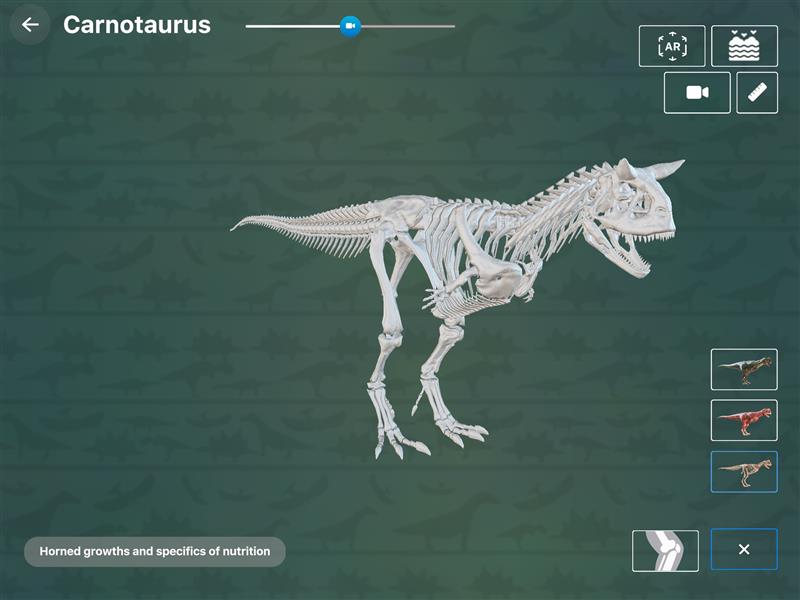
 3D MODEL "SKELETON"
 VISION
 NEIGHBORS
 VOICE ACTING
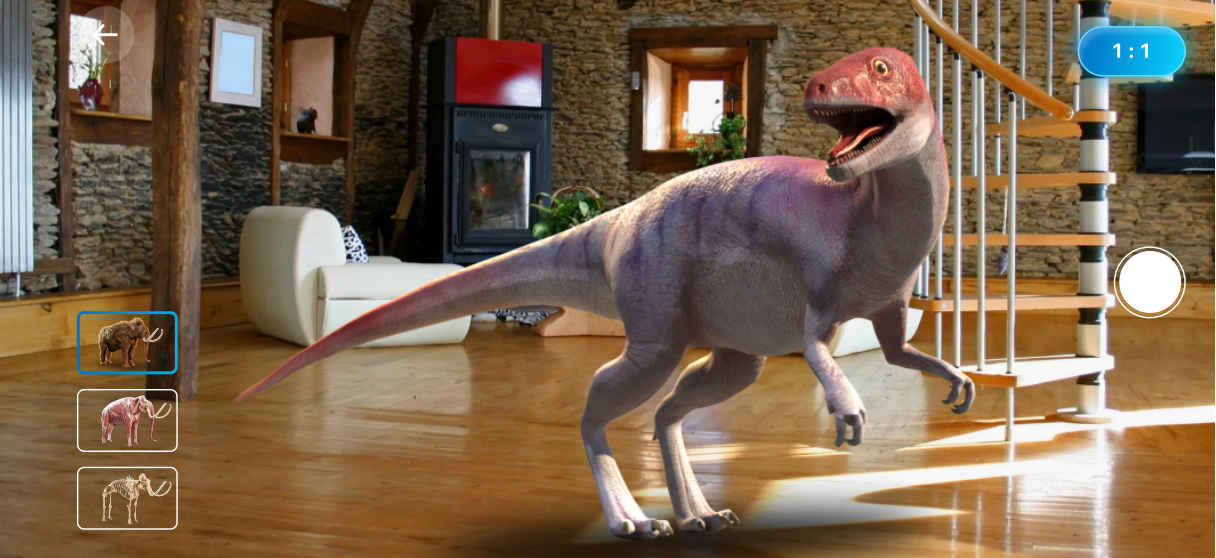
 AR - MODE
 GALLERY
 HISTORY OF DISCOVERIES

