


Shuvuuia


Name meaning:
Bird
Period of life:
75 million years ago
Period:
Cretaceous period
Habitat:
Floodplains
Taxonomy:
Theropods
Countries:



 Bajadasaurus


Andrewsarchus


What does the name mean: the name Shuvuuia deserti comes from the Mongolian word shuvuu — “bird”.
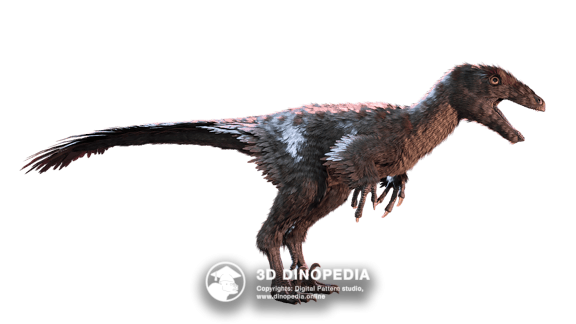
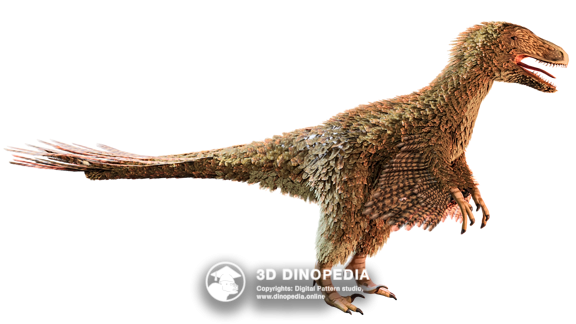
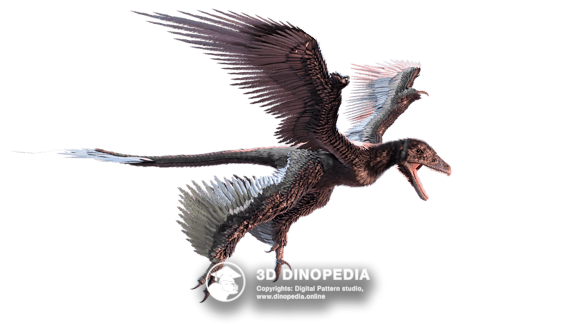
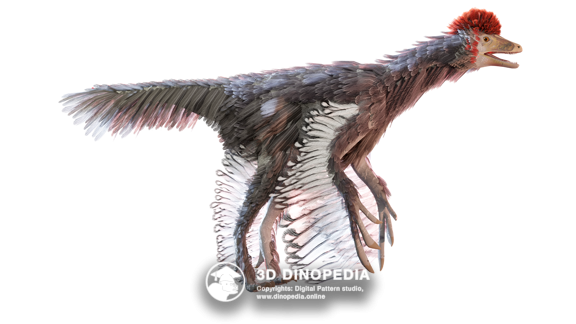
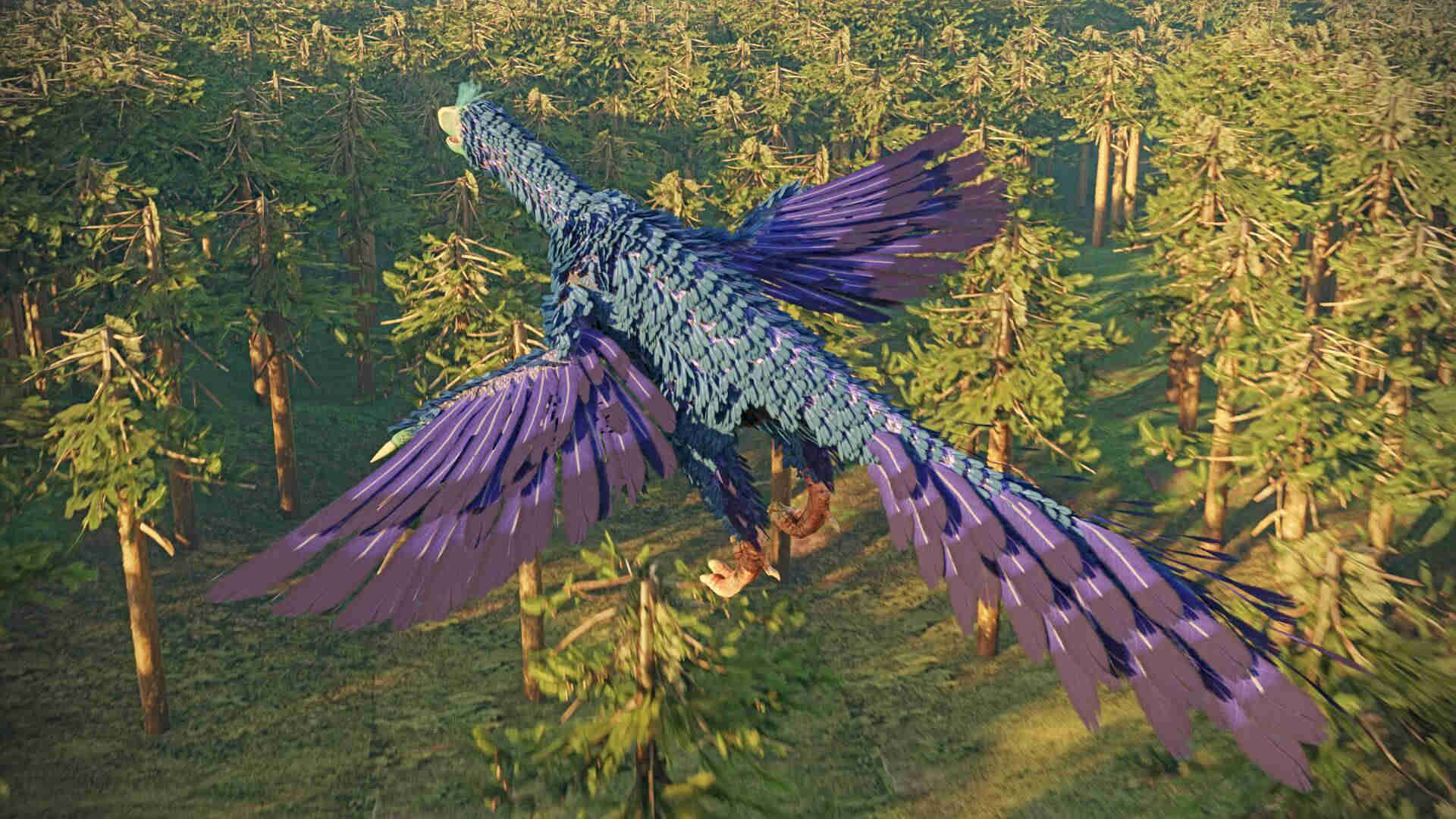
About 75–74 million years ago, during the Late Cretaceous, a small dinosaur lived in what is now the Gobi Desert — Shuvuuia deserti. Its body length did not exceed 1 m, making it one of the smaller theropods. Its name reflects bird-like anatomical features and the presence of feathers, confirmed by fossil discoveries.
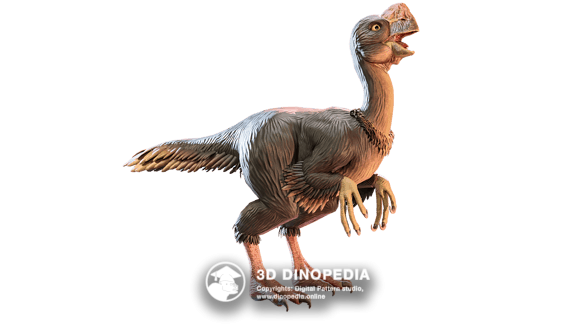
Shuvuuia deserti was a small bipedal dinosaur roughly comparable in size to a chicken. Its hind limbs were long and adapted for rapid running, while the forelimbs were highly reduced. Each forelimb bore a single functional finger with a large claw, whereas the other two persisted only as rudiments. The function of these limbs remains debated. It has been suggested that they may have been used for extracting insects, although this hypothesis has not been conclusively confirmed.
The skull of Shuvuuia deserti was lightweight, with elongated slender jaws and numerous small teeth adapted for feeding on insects. It has been proposed that it possessed a degree of upper jaw mobility (prokinesis), similar to that seen in modern birds, although the extent of this adaptation remains uncertain.
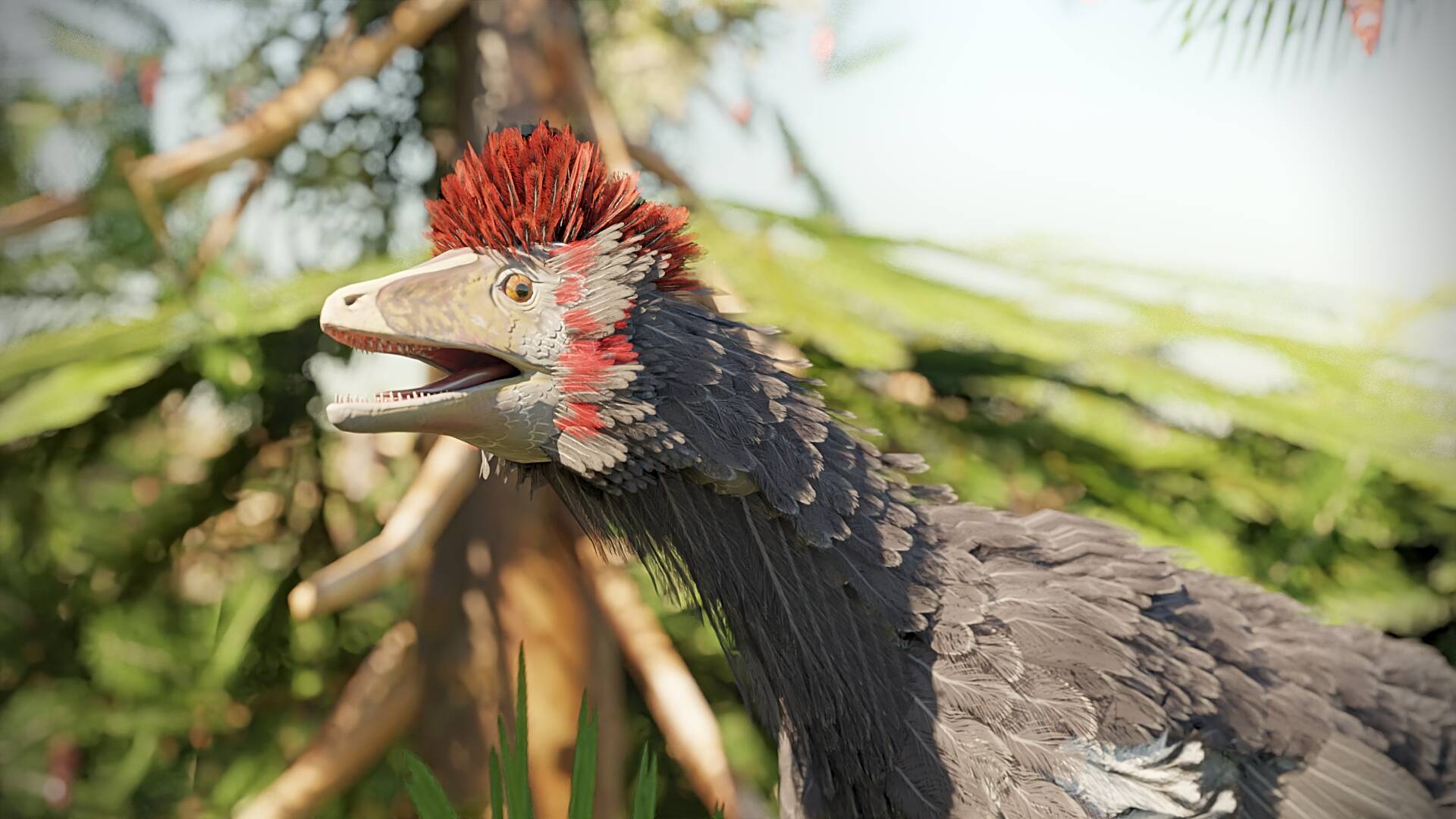
The body of Shuvuuia deserti was probably covered with primitive feathers. It is possible that the tail bore more developed feathers, although their potential function — for example, display behavior — remains hypothetical.
Shuvuuia deserti is among the dinosaurs for which direct evidence of feather covering has been discovered. Such finds are relatively rare and are of major importance for paleontology. The study of this species helps refine our understanding of feather evolution, the origin of birds, and the diversity of theropods during the Late Cretaceous.
Discussions
Start the first one!
 Start a discussion
Other animals



 INTERESTING FACTS
 PUZZLES
 HOME
HOME
 3D MODEL "SKIN"
 3D MODEL "MUSCLES"
 3D MODEL "SKELETON"
 VISION
 NEIGHBORS
 VOICE ACTING
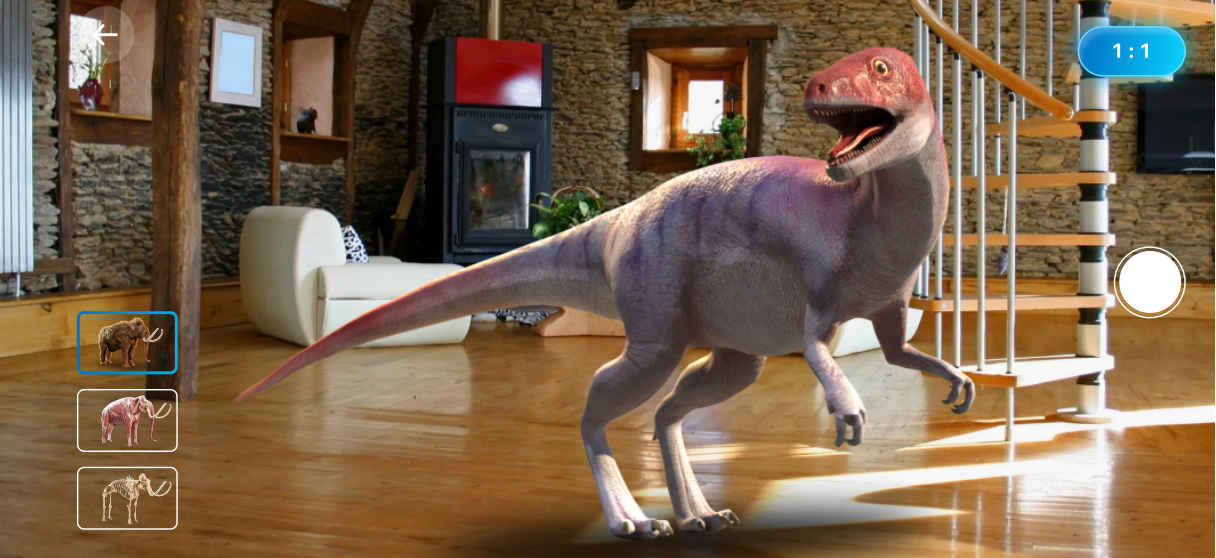
 AR - MODE
 GALLERY
 HISTORY OF DISCOVERIES

