


Allosaurus
Name meaning:
Different lizard
Period of life:
155–145 mya
Period:
Jurassic period
Habitat:
Woodlands
Taxonomy:
Theropods
Countries:





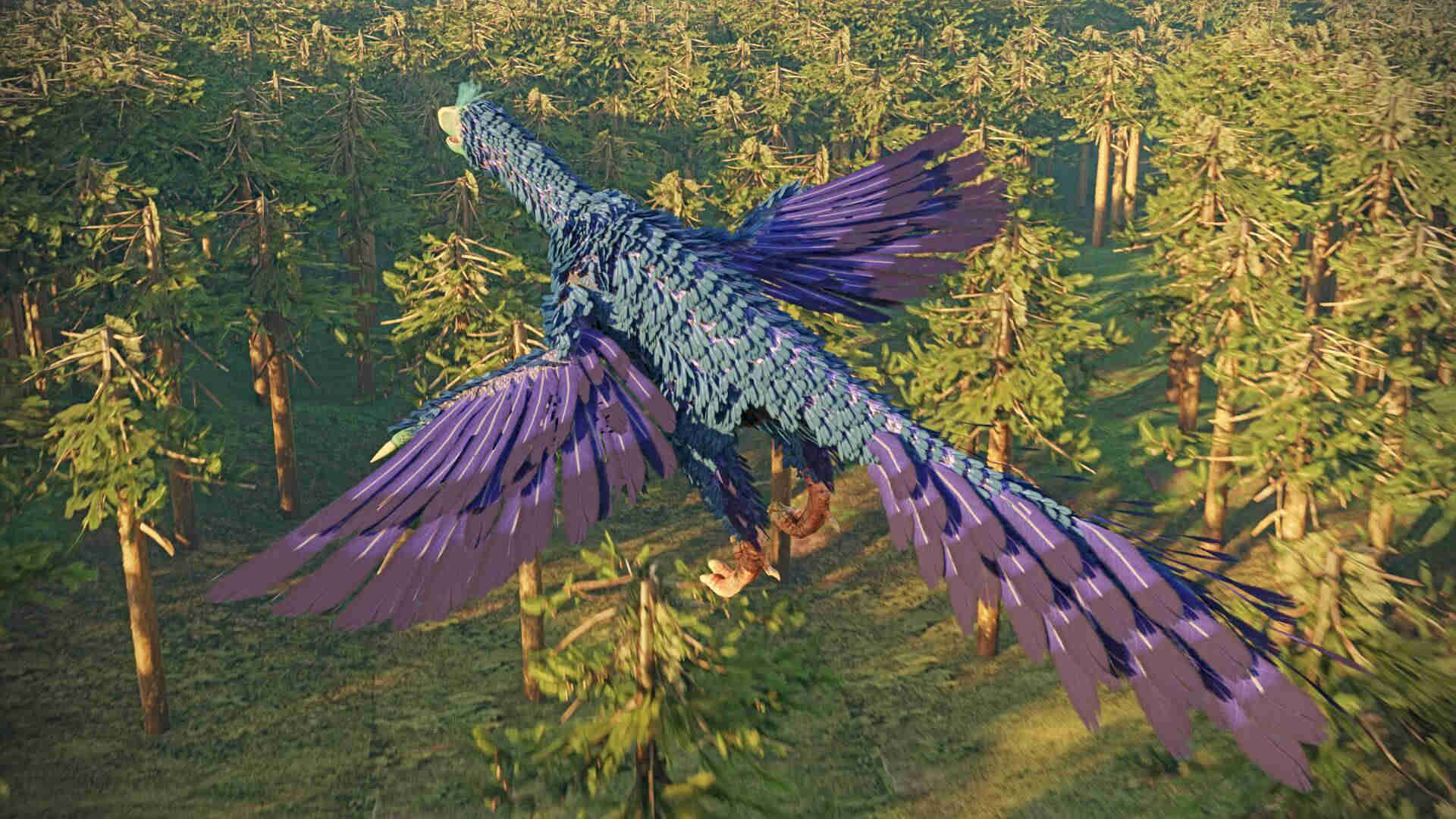
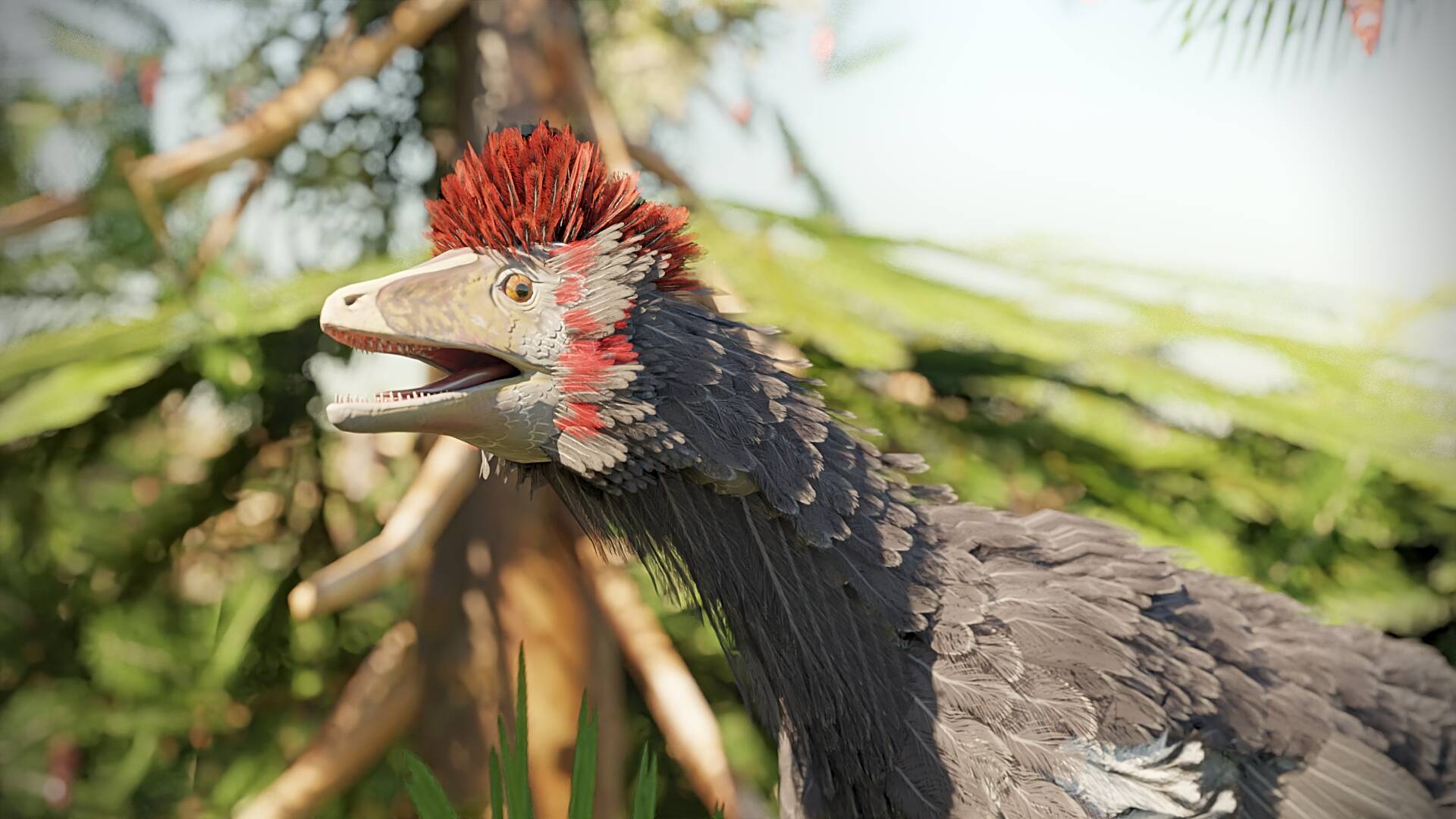
 Anchiornis


Rhamphorhynchus


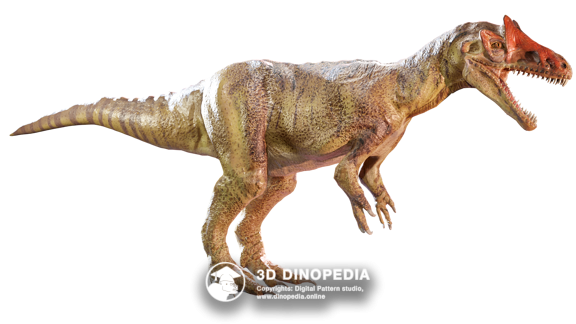
«different lizard». The name refers to the fact that palaeontologist Charles Marsh immediately noticed that the vertebrae of Allosaurus were constructed differently from those of any dinosaurs previously known to him.
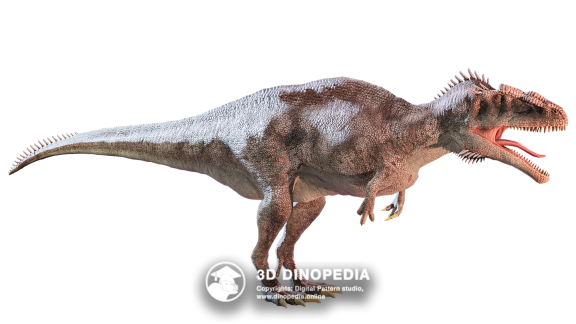
Allosaurus is one of the most famous and best-studied predators of the Jurassic Period. It lived around 163–145 million years ago and inhabited what are now North America and Portugal. This reptile became a true symbol of its age — an age of giants.
In the 1960s, palaeontologists in the state of Utah made a truly remarkable discovery: an entire «graveyard» of Allosaurus. More than 46 skeletons of these predators were found in a single area, allowing scientists to study their anatomy and behaviour in great detail.
Allosaurus was one of the most dangerous hunters of the Late Jurassic. It reached lengths of up to 11 metres — roughly twice the length of a passenger car — and stood as tall as five metres. An adult weighed about one and a half tonnes. Its skull, up to 84 centimetres long, was especially imposing, with more than 60 sharp teeth curved inwards.
The special structure of its jaws allowed Allosaurus to open its mouth extremely wide — almost like a crocodile. Its bites were powerful enough to tear flesh from its prey with ease. Unlike Tyrannosaurus, however, its teeth were not adapted for crushing bone; instead, they acted like sharp knives, slicing off chunks of meat. And if a tooth broke or fell out, it was not a problem — a new one would soon grow in its place.
Allosaurus moved on strong hind legs about one and a half metres long. Thanks to its relatively light build and powerful muscles, it could reach high speeds and rapidly overtake prey. Its three-toed feet, armed with sharp claws, were perfectly suited for gripping victims. If Allosaurus lived today, a human would have little chance of outrunning it.
It probably hunted both alone and in small groups. Scientists suggest that several individuals may have joined forces to bring down especially large herbivores such as diplodocids or Apatosaurus. When the opportunity arose, it would also feed on carrion — in the Jurassic world, survival belonged to those who could exploit every chance.
Discussions
Start the first one!
 Start a discussion
Other animals

 INTERESTING FACTS
 PUZZLES
 HOME
HOME
 3D MODEL "SKIN"
 3D MODEL "MUSCLES"
 3D MODEL "SKELETON"
 VISION
 NEIGHBORS
 VOICE ACTING
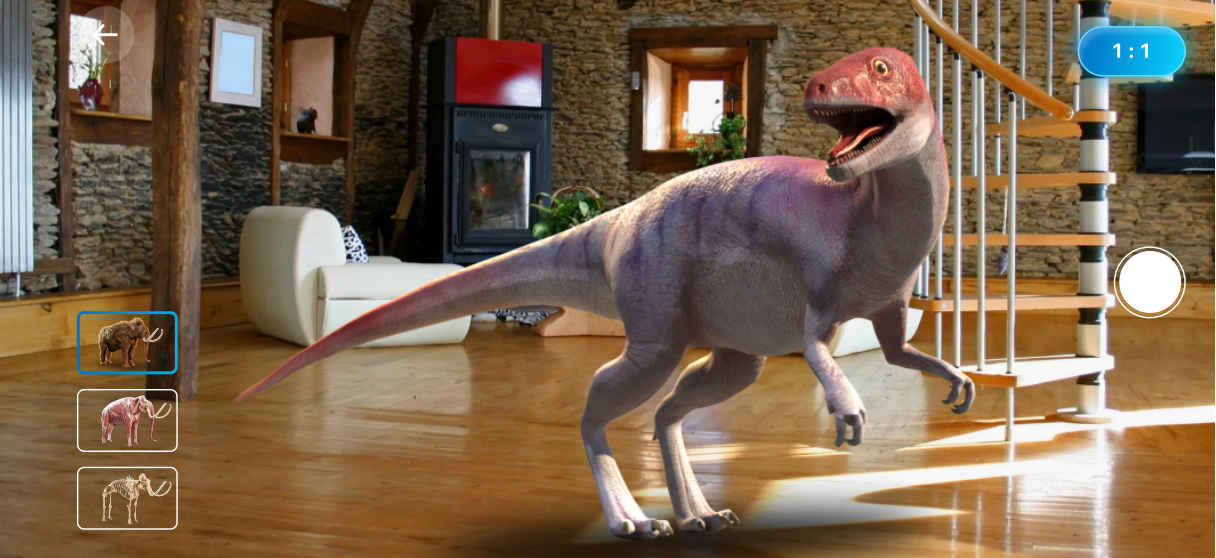
 AR - MODE
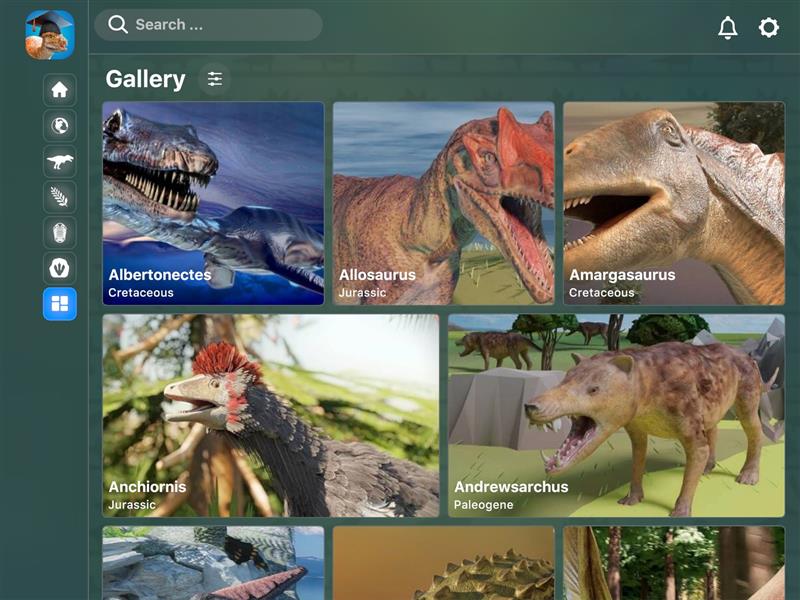
 GALLERY
 HISTORY OF DISCOVERIES

