


Bajadasaurus

Name meaning:
Bajada lizard
Period of life:
145–132.9 million years ago
Period:
Cretaceous period
Habitat:
Floodplains
Taxonomy:
Sauropodomorphs
Countries:




 Armadillosuchus


Andrewsarchus


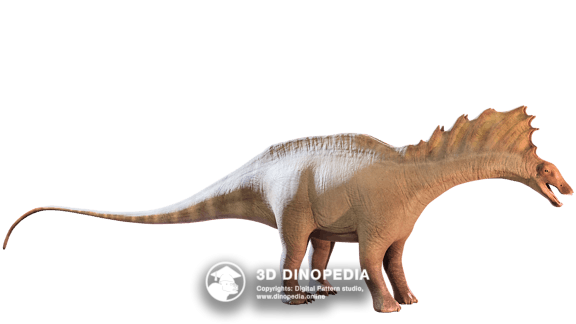
What does the name mean: The name Bajadasaurus pronuspinax means “Bajada lizard.” It comes from the Spanish word bajada (“descent” or “slope”), referring to the Bajada Colorada locality where the fossils were discovered, and the Greek word sauros — “lizard.”
Bajadasaurus pronuspinax lived in what is now Argentina during the Early Cretaceous, about 140 million years ago. It belonged to the sauropods — a group of dinosaurs characterized by long necks, long tails, and massive column-like limbs. Like other members of this group, Bajadasaurus was herbivorous. Compared with giant forms such as Brachiosaurus or Diplodocus, however, it was relatively small.
The most distinctive feature of Bajadasaurus was the presence of elongated bifurcated neural spines on the cervical vertebrae. It has been suggested that the space between these spines may have been covered by soft tissues, forming a structure resembling a double sail running along the neck.
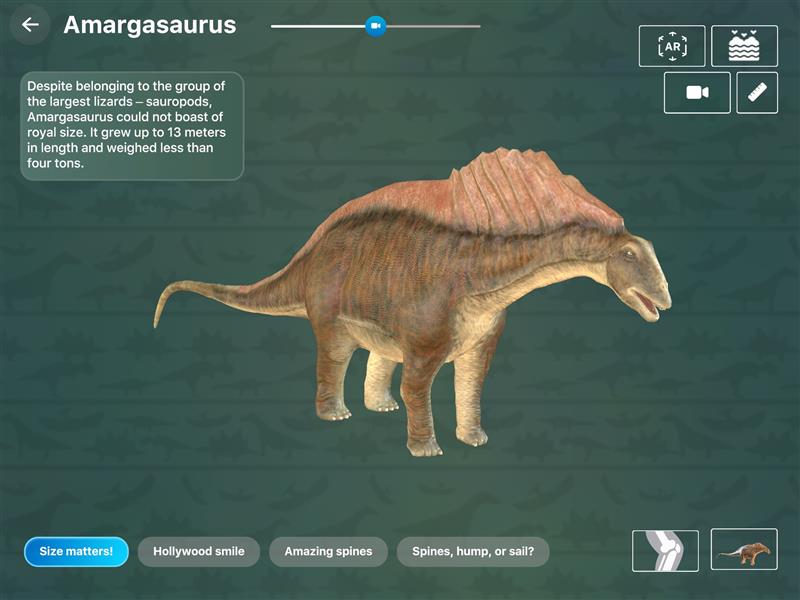
The function of this structure remains debated: it may have been involved in thermoregulation, display behavior, or intraspecific communication. Its close relative Amargasaurus, which lived roughly 15 million years later, possessed similar features, suggesting that this adaptation was stable among dicraeosaurids.
The skull of Bajadasaurus was small and elongated, bearing about 48 teeth — long, slender, and slightly pointed. These teeth were concentrated at the front of the jaws and were adapted for stripping low-growing vegetation such as ferns. It probably fed mainly near ground level rather than extending its neck toward taller vegetation. The eyes were positioned high on the skull and oriented laterally and partly upward, providing a broad field of view and helping the animal detect predators in time.
Bajadasaurus inhabited regions with branching river systems and extensive floodplains that experienced regular flooding. These environments supported ferns, conifers, and other plants forming its diet. Other dinosaurs also lived there, including diplodocids such as Leinkupal and basal titanosaurs such as Ninjatitan, along with various predatory theropods.
The discovery of Bajadasaurus pronuspinax is important for understanding sauropod diversity and morphological adaptations. The elongated neural spines of the neck vertebrae probably served either a defensive or display-related function, although their precise role remains uncertain. This find demonstrates that even herbivorous dinosaurs could evolve highly specialized anatomical structures associated with defense or social interactions.
Discussions
Start the first one!
 Start a discussion
Other animals






 INTERESTING FACTS
 PUZZLES
 HOME
HOME
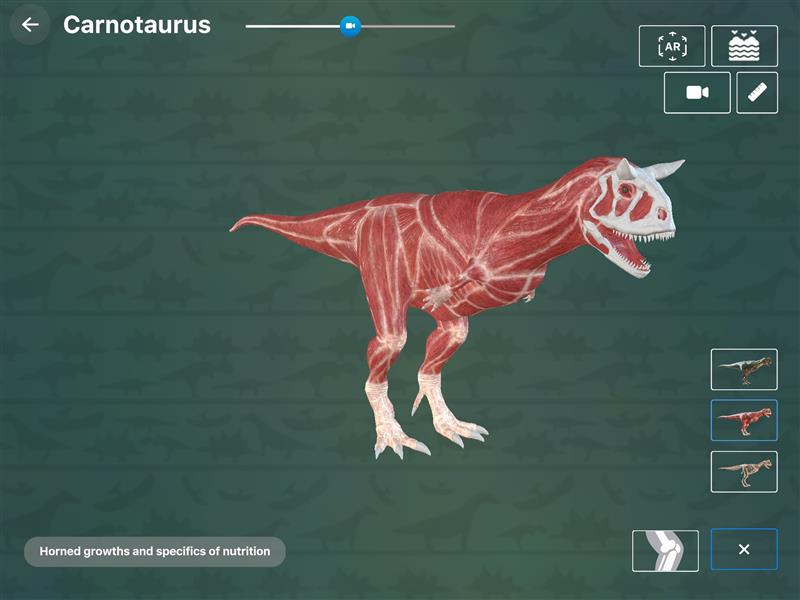
 3D MODEL "SKIN"
 3D MODEL "MUSCLES"
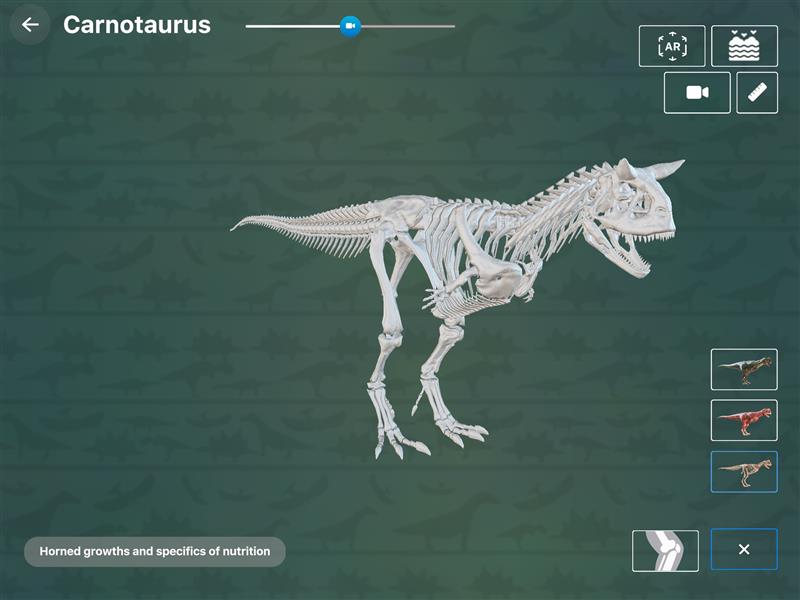
 3D MODEL "SKELETON"
 VISION
 NEIGHBORS
 VOICE ACTING
 AR - MODE
 GALLERY
 HISTORY OF DISCOVERIES

