


Quetzalcoatlus

Name meaning:
Aztec god Quetzalcoatl
Period of life:
68-66 mya
Period:
Cretaceous period
Habitat:
Deserts and semi-deserts
Taxonomy:
Pterosaurs
Countries:




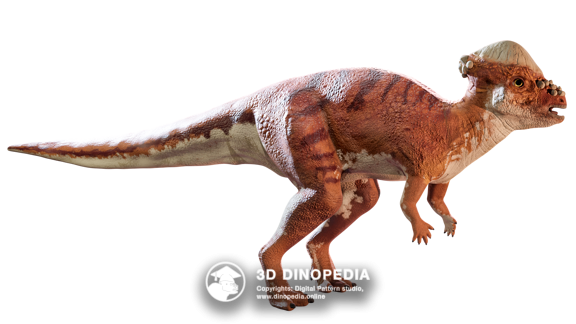 Pachycephalosaurus


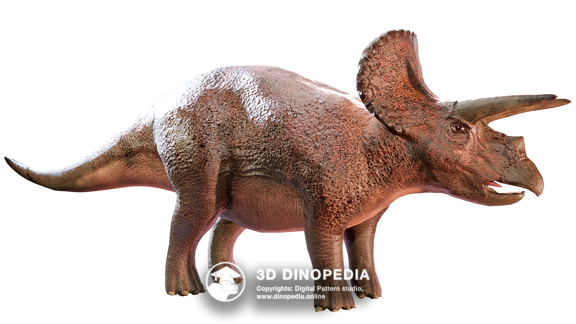
Triceratops


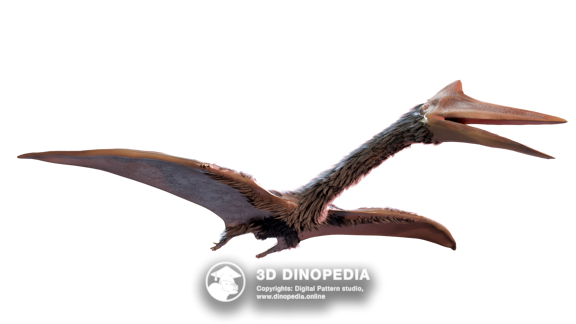
named after the Aztec god Quetzalcoatl, depicted as a flying feathered serpent.
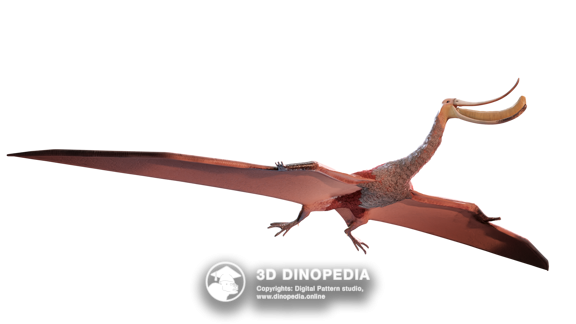
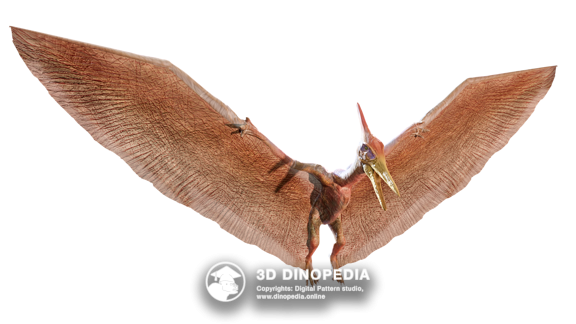
Quetzalcoatlus is one of the most impressive flying reptiles in Earth’s history. This giant member of the azhdarchid family lived about 68 million years ago, in what is now North America.
The first remains were discovered in 1971 in Big Bend National Park (Texas). Paleontologists found a humerus and fragments of an extraordinarily elongated wing finger. In 1975, another major discovery followed — an almost complete skeleton. This made it clear that the animal was about twice the size of Pteranodon.
The height of Quetzalcoatlus was comparable to that of a giraffe, and its wingspan reached approximately 10.5 meters — similar to that of a modern fighter jet. Despite its enormous size, this giant was relatively lightweight, estimated at 70 to 250 kilograms, which likely allowed it to take off and soar over long distances. Its body length reached about 8 meters, and its elongated neck supported a massive skull with a sharp, toothless beak adapted for rapid strikes. A crest rose from the head, possibly serving a display function or helping stabilize flight.
Quetzalcoatlus appears to have preferred hunting over land, scanning for small animals and carrion. It was capable of handling prey weighing up to 30 kilograms — roughly the size of a small dinosaur. On the ground, this giant moved quadrupedally and, despite its size, was surprisingly agile.
This flying predator became a living symbol of the end of the dinosaur era — a creature that combined power, elegance, and mastery of the air at a time when the skies were still shared by birds and pterosaurs.
Discussions
 Start a discussion

Mosasaurus lover
4 months ago
There’s something wrong about the Quetzalcoatlus
The petrosaur so should be standing up in its 3-D model should I have more accurate sounds cause it it's the same sound from the baby Phoenix and feather family any more brown coloring than gray and a bigger crest
1
 0
0
 1
1
 382
382
Other animals










 INTERESTING FACTS
 PUZZLES
 HOME
HOME
 3D MODEL "SKIN"
 3D MODEL "MUSCLES"
 3D MODEL "SKELETON"
 VISION
 NEIGHBORS
 VOICE ACTING
 AR - MODE
 GALLERY
 HISTORY OF DISCOVERIES

