


Placerias

Name meaning:
Wide body
Period of life:
230-218 mya
Period:
Triassic period
Habitat:
Lakes and marshes
Taxonomy:
Synapsids
Countries:

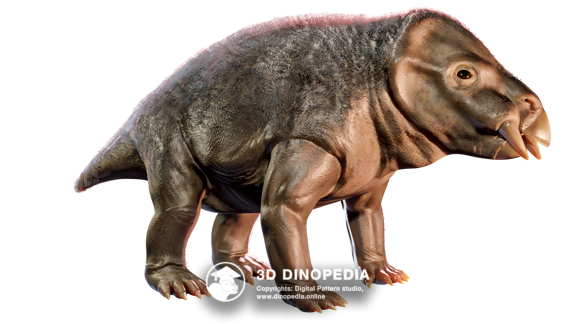



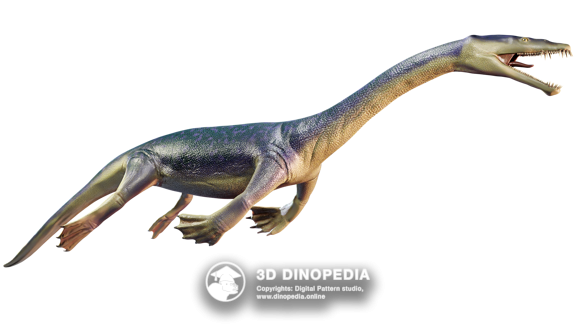 Nothosaurus


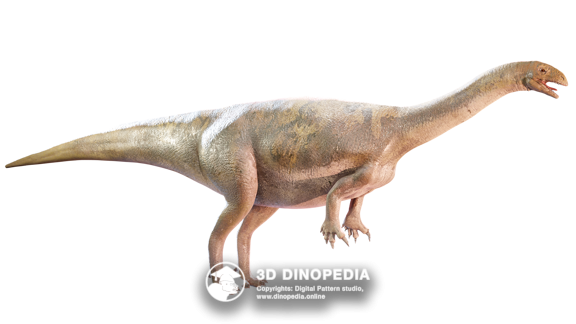
Plateosaurus


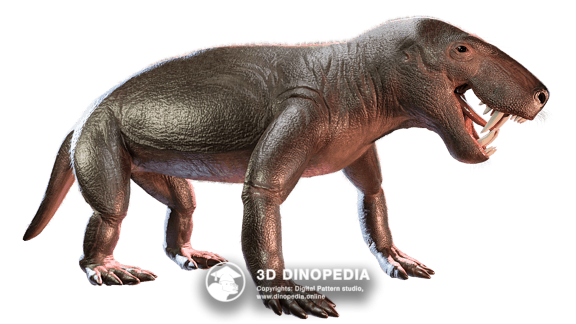
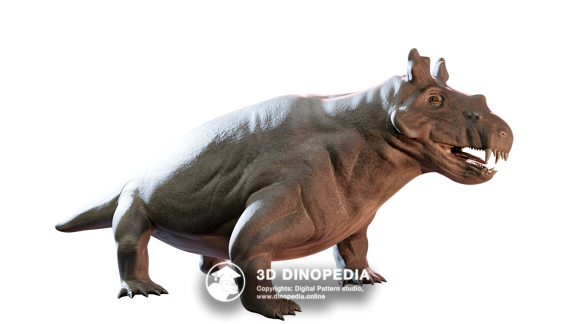
Placerias was one of the most impressive herbivorous animals of the Late Triassic. This enormous dicynodont lived in what is now the United States more than 220 million years ago. Today, its remains are most often found in Arizona, near the town of Chinle, in layers of ancient river and lake sediments. This suggests that Placerias preferred to live close to water — much like modern hippos.
In size and appearance, Placerias really did resemble a hippopotamus. Its massive, rounded body, up to 3.5 metres long and weighing around a tonne, was supported by sturdy, short legs. The head was large, with a powerful bony beak, and curved tusks protruded from the upper jaw. A thick neck helped the animal bend down with effort to strip leaves from branches. Its horny beak probably scraped bark from trees, while the tusks may have been used like “shovels” to dig up juicy roots and tubers. However, these tusks also served as weapons — males could have fought over females or used them to fend off predators.
Placerias probably lived in herds and stayed close to river floodplains, where vegetation and moisture were always plentiful. Much of its time was spent moving slowly along the banks and feeding on plants, sustaining its enormous weight and energy reserves.
But life in the Triassic wetlands was far from peaceful. Fierce predators lived in the same habitats — such as Postosuchus and Carnufex. In dangerous times, Placerias may have sheltered in riverside forests or in the water itself, escaping pursuit.
Discussions
Start the first one!
 Start a discussion
Other animals






 INTERESTING FACTS
 PUZZLES
 HOME
HOME
 3D MODEL "SKIN"
 3D MODEL "MUSCLES"
 3D MODEL "SKELETON"
 VISION
 NEIGHBORS
 VOICE ACTING
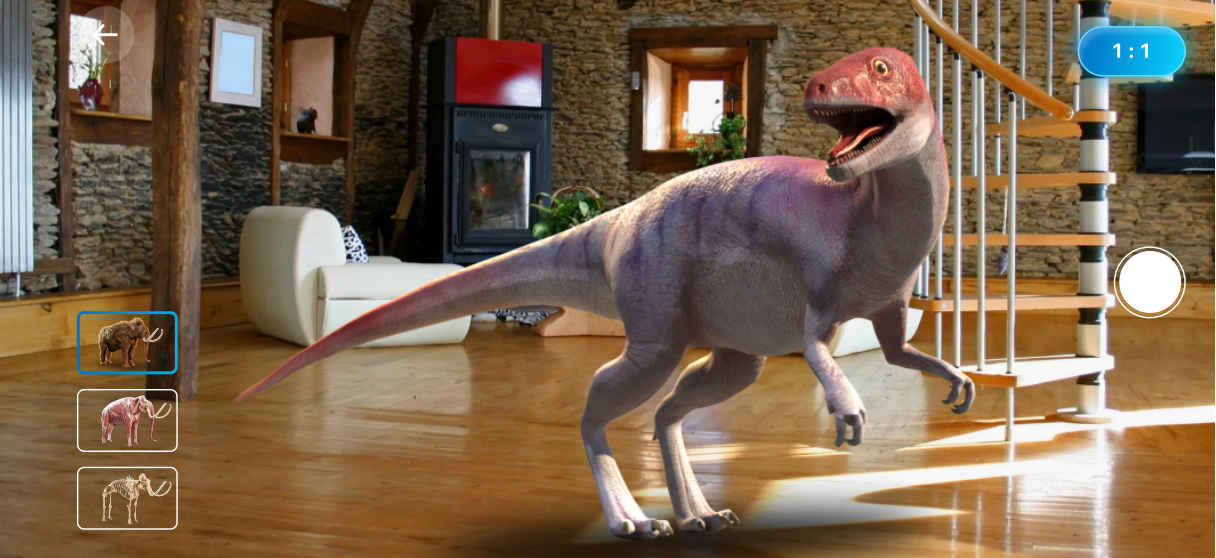
 AR - MODE
 GALLERY
 HISTORY OF DISCOVERIES

