


Pachycephalosaurus

Name meaning:
Thick-headed lizard
Period of life:
70–66 mya
Period:
Cretaceous period
Habitat:
Mangrove forests and bayous
Taxonomy:
Marginocephalians
Countries:





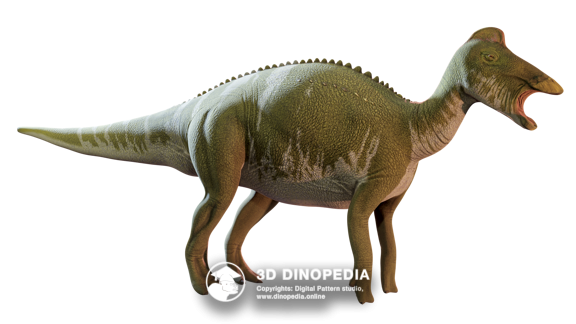 Edmontosaurus


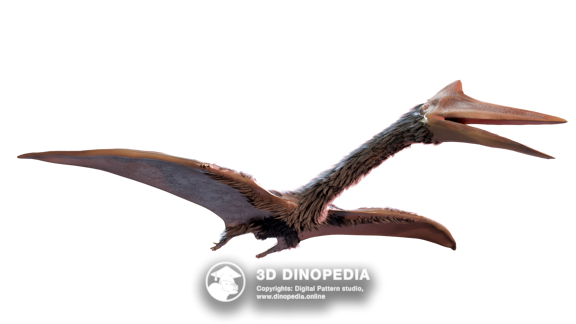
Quetzalcoatlus


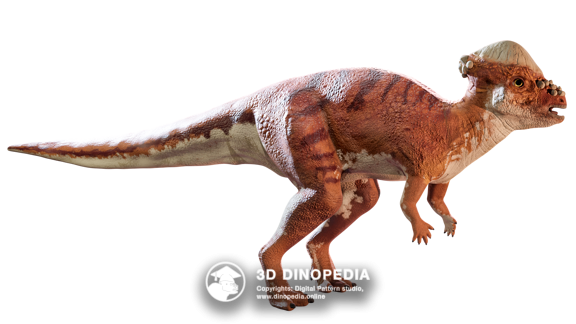
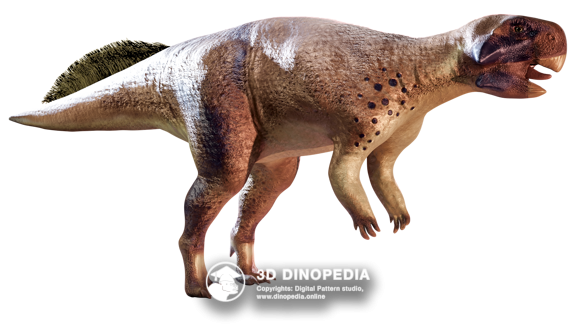
Pachycephalosaurus is a well-known «thick-headed» dinosaur from the family Pachycephalosauridae, which lived during the Late Cretaceous, about 70 million years ago. Its remains have been found in North America, where open woodlands and temperate floodplains once extended across the landscape. The first fossils were discovered as early as 1859 near the Missouri River, but at that time scientists could not determine which animal they belonged to. Only in 1943, after the discovery of a well-preserved skull, did researchers fully recognize this unusual dinosaur.
The most distinctive feature of Pachycephalosaurus was its massive osseous cranial dome — up to about 25 centimeters thick — rising from the top of the skull like a helmet. The posterior part of the head was ornamented with bony spikes, while the anterior margin bore small horns and nodes. The snout ended in a pointed beak, and the jaws contained small but sharp teeth capable of processing tough leaves and seeds.
This bipedal, predominantly herbivorous dinosaur weighed approximately 450 kilograms and reached about 4.5 meters in length. Despite its heavy skull, Pachycephalosaurus was relatively agile and may have been capable of rapid locomotion, which would have aided in predator avoidance. Its diet likely consisted mainly of plant material — leaves, fruits, and seeds — although some paleontologists suggest it may have been facultatively omnivorous, occasionally consuming small reptiles, mammals, or insects.
The functional role of the cranial dome remains debated. One hypothesis proposes that males used it in intraspecific combat, engaging in head-butting contests similar to those of modern caprines, possibly as ritualized competition for mates or social dominance. Alternative interpretations suggest that impacts were directed toward the flanks of rivals rather than head-on, thereby reducing the risk of axial skeletal injury.
Some researchers also infer that Pachycephalosaurus possessed a well-developed olfactory system, which would have assisted in foraging and predator detection. Based on endocranial volume estimates, its relative brain size was moderate — lower than that of many theropods, but consistent with the behavioral ecology of a large herbivorous dinosaur.
Discussions
Start the first one!
 Start a discussion
Other animals


 INTERESTING FACTS
 PUZZLES
 HOME
HOME
 3D MODEL "SKIN"
 3D MODEL "MUSCLES"
 3D MODEL "SKELETON"
 VISION
 NEIGHBORS
 VOICE ACTING
 AR - MODE
 GALLERY
 HISTORY OF DISCOVERIES

