


Majungasaurus

Name meaning:
Lizard from Majunga
Period of life:
70-66 mya
Period:
Cretaceous period
Habitat:
Savannas and plains
Taxonomy:
Theropods
Countries:

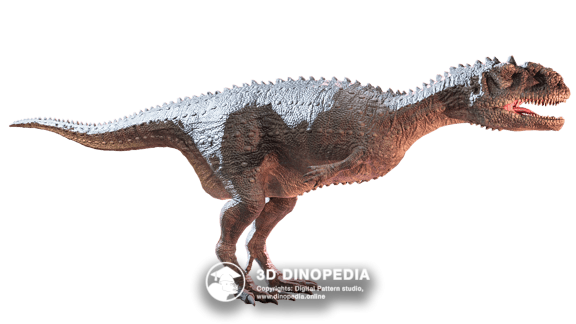



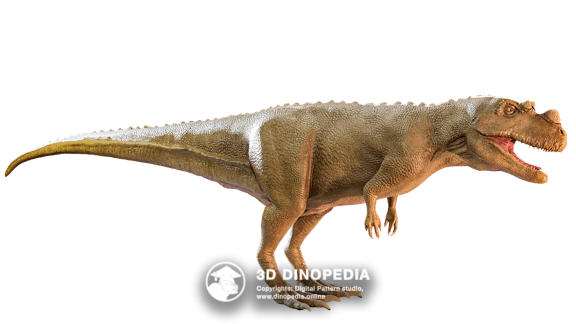
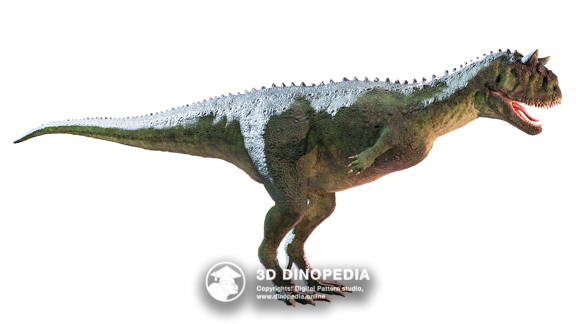 Carnotaurus


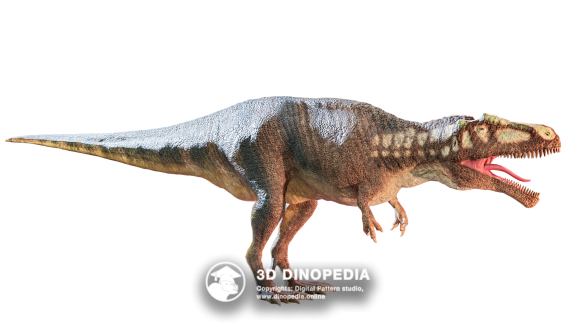
Sauroniops
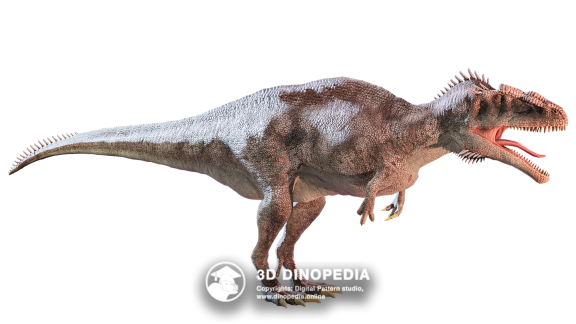


«lizard from Mayunga», a province in northwestern Madagascar where the dinosaur was discovered. Today, this region is known as Mahajanga.
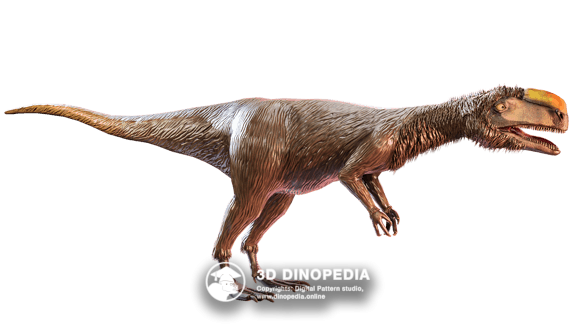
Majungasaurus was one of the most well-known predators of Madagascar during the Late Cretaceous. This representative of the family Abelisauridae lived about 70 million years ago and likely occupied one of the highest positions in the food chain of the ancient island.
The first traces of Majungasaurus were found by French researchers as early as 1896. At that time, two teeth and several vertebrae were discovered — the first fossil remains of a predatory dinosaur found in Madagascar. These finds later became the starting point for further study and, together with new discoveries, made it possible to reconstruct the image of the predator that once dominated the island.
Majungasaurus moved on two powerful but relatively short legs, capable of developing impressive speed over short distances. Its broad and tall head with strong jaws and short, robust teeth made its bites especially dangerous. Such teeth did not merely tear flesh — they literally bit into the prey, preventing it from escaping.
In body build, Majungasaurus was a stocky, heavy-set theropod with a large mass relative to its length. Scientists suggest that it may have hunted using tactics partly similar to those of modern large cats: a lightning-fast lunge, a short attack with a powerful bite, and holding on until the prey weakened.
In the ecosystem of ancient Madagascar, Majungasaurus was one of the island’s dominant predators. Its prey consisted mainly of herbivorous sauropods, and among the inhabitants of that time, it likely had few equals.
Discussions
Start the first one!
 Start a discussion
Other animals



 INTERESTING FACTS
 PUZZLES
 HOME
HOME
 3D MODEL "SKIN"
 3D MODEL "MUSCLES"
 3D MODEL "SKELETON"
 VISION
 NEIGHBORS
 VOICE ACTING
 AR - MODE
 GALLERY
 HISTORY OF DISCOVERIES

