


Opisthocoelicaudia

Name meaning:
Opisthocoelous caudal vertebrae
Period of life:
71-69 mya
Period:
Cretaceous period
Habitat:
Taiga
Taxonomy:
Sauropodomorphs
Countries:




 Utahraptor


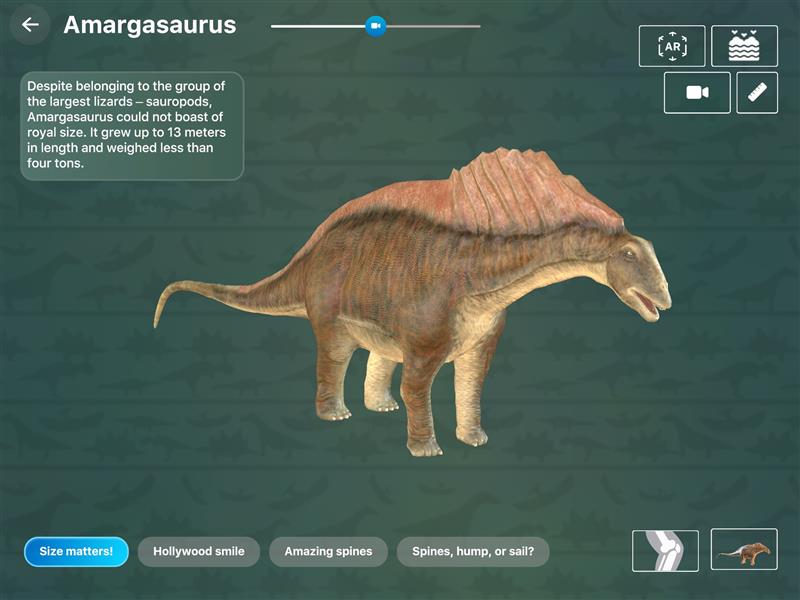
Amargasaurus


«With opisthocoelous caudal vertebrae». The term opisthocoelous refers to vertebrae that are concave at the rear and convex at the front.
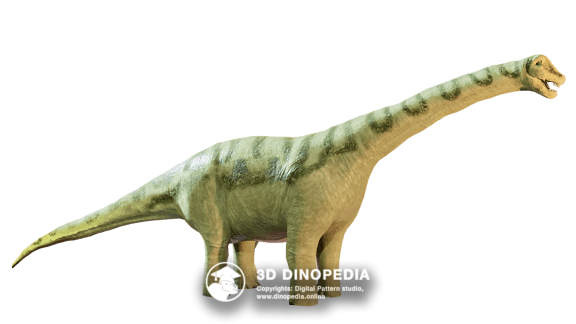
Opisthocoelicaudia was a remarkable titanosaur that lived about 70 million years ago, during the Late Cretaceous, in what is now southern Mongolia. Its fossilized bones were first discovered in 1965 during a joint Polish–Mongolian expedition.
Unfortunately, the remains did not include the skull or much of the neck—precisely the parts that might have revealed more about the dinosaur’s appearance. As a result, the exact look of Opisthocoelicaudia remains a subject of scientific reconstruction and debate. However, its tail became a defining feature for paleontologists.
The tail consisted of approximately 34 vertebrae, and these bones allowed scientists to identify the species. The anterior caudal vertebrae were concave at the rear and convex at the front, as is typical for many titanosaurs. The middle caudal vertebrae, however, had a distinctive structure: they were flat on both sides. This unique combination of features enables paleontologists to recognize Opisthocoelicaudia even from a single fragment of tail bone.
This massive sauropod reached a length of about 11–12 meters. Its sturdy limbs and powerful body likely allowed it to feed at different heights—browsing on tree foliage but also consuming low-growing vegetation when necessary.
Opisthocoelicaudia probably lived in a humid climate within river floodplain environments rich in plant life. These fertile, green lowlands were its home—places where the giant wandered in search of food, leaving behind traces that, millions of years later, would help humans glimpse the distant past of our planet.
Discussions
Start the first one!
 Start a discussion
Other animals





 INTERESTING FACTS
 PUZZLES
 HOME
HOME
 3D MODEL "SKIN"
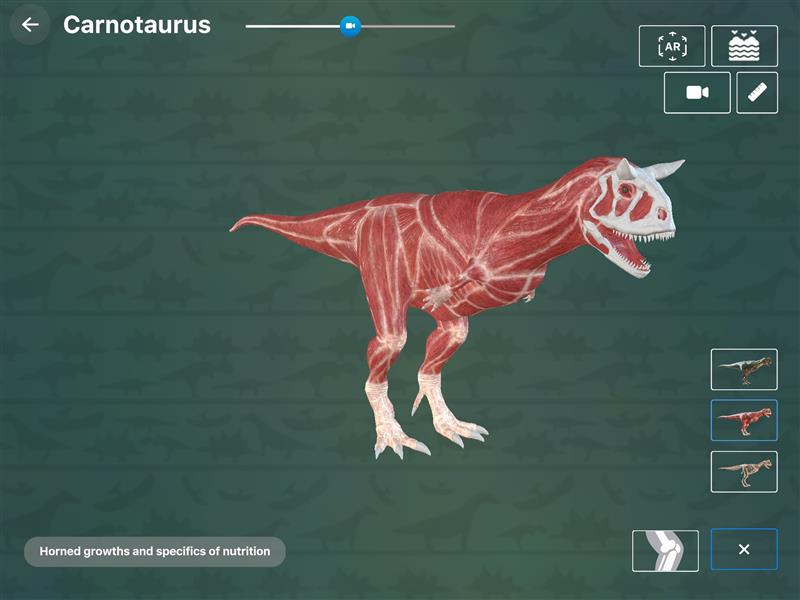
 3D MODEL "MUSCLES"
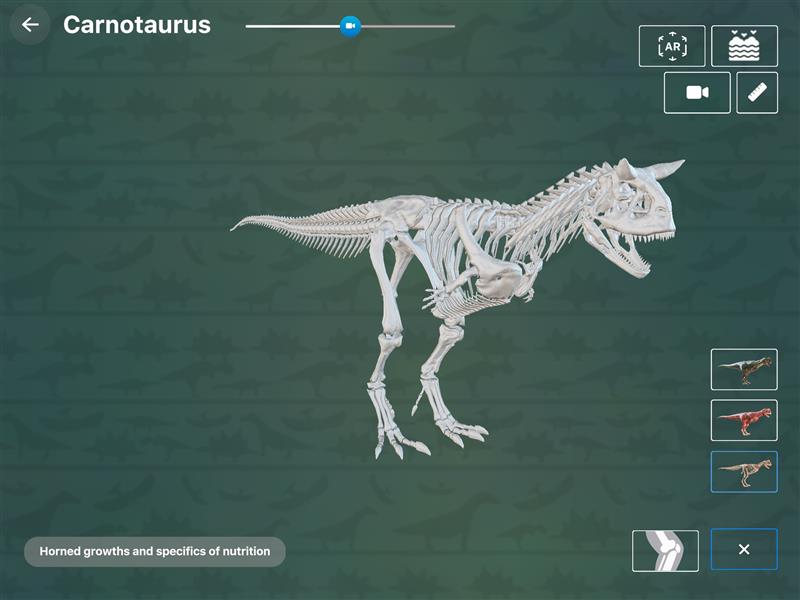
 3D MODEL "SKELETON"
 VISION
 NEIGHBORS
 VOICE ACTING
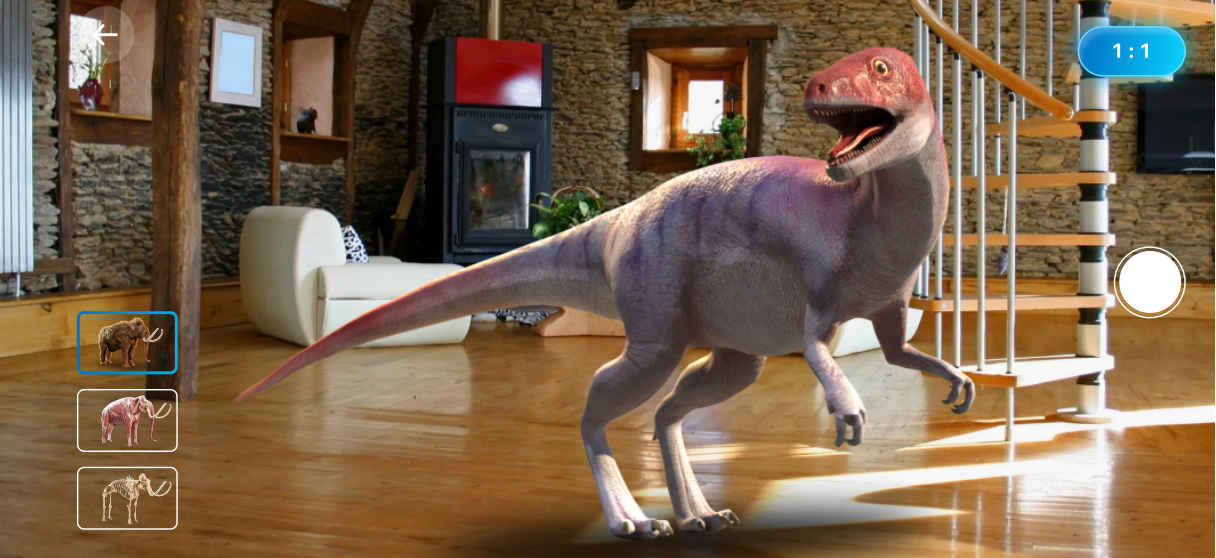
 AR - MODE
 GALLERY
 HISTORY OF DISCOVERIES

