


Shantungosaurus

Name meaning:
Shandong lizard
Period of life:
77-74 million years ago
Period:
Cretaceous period
Habitat:
Floodplains
Taxonomy:
Ornithopods
Countries:



 Bajadasaurus


Andrewsarchus


What does the name mean: “Shandong lizard.”
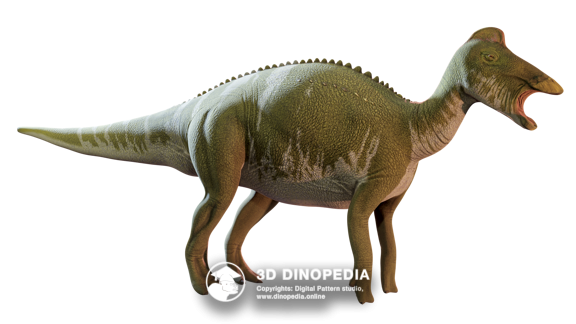
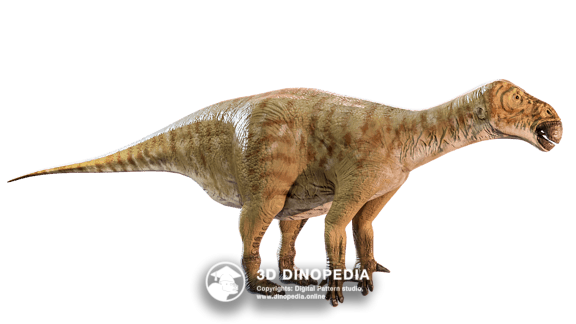
Shantungosaurus was a large dinosaur of the Late Cretaceous period that lived about 77–74 million years ago. Its remains were discovered in Shandong Province in eastern China, from which it received its name. It was one of the largest representatives of ornithischian dinosaurs — a group of herbivorous reptiles that also includes Triceratops and Stegosaurus.
Shantungosaurus reached about 15 meters in length and weighed up to 16 tonnes, making it one of the largest known hadrosaurs. Its skull could reach 1.6 meters in length, indicating the enormous size of its jaw apparatus. Despite its large size, it was a herbivorous animal.
Like other hadrosaurs, the beak of Shantungosaurus was toothless and duck-like in appearance. However, the rear parts of the jaws contained dental batteries made up of numerous small but durable teeth (including replacement teeth, their total number may have reached about 1,500), adapted for grinding tough plant material. Its diet included conifer needles, leaves, branches, and probably fruits.
A distinctive feature of the skull of Shantungosaurus was a large opening in the nasal region. It is thought that this opening was covered by elastic soft tissue capable of inflating. This structure was probably used for sound communication — for example, for interacting with other individuals or intimidating predators.
Shantungosaurus normally moved on four limbs but was probably capable of rearing onto its hind legs to reach high vegetation. Its tail was long and muscular and served as a counterbalance. Discoveries of this dinosaur in China are scientifically important because they help reconstruct the anatomy, feeding habits, and lifestyle of giant hadrosaurs, as well as the ecosystems of the Late Cretaceous period.
Discussions
Start the first one!
 Start a discussion
Other animals




 INTERESTING FACTS
 PUZZLES
 HOME
HOME
 3D MODEL "SKIN"
 3D MODEL "MUSCLES"
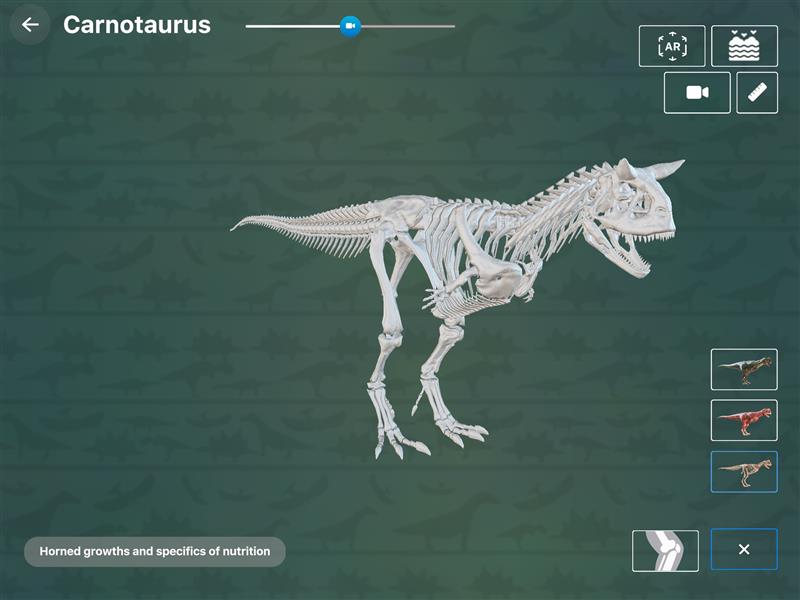
 3D MODEL "SKELETON"
 VISION
 NEIGHBORS
 VOICE ACTING
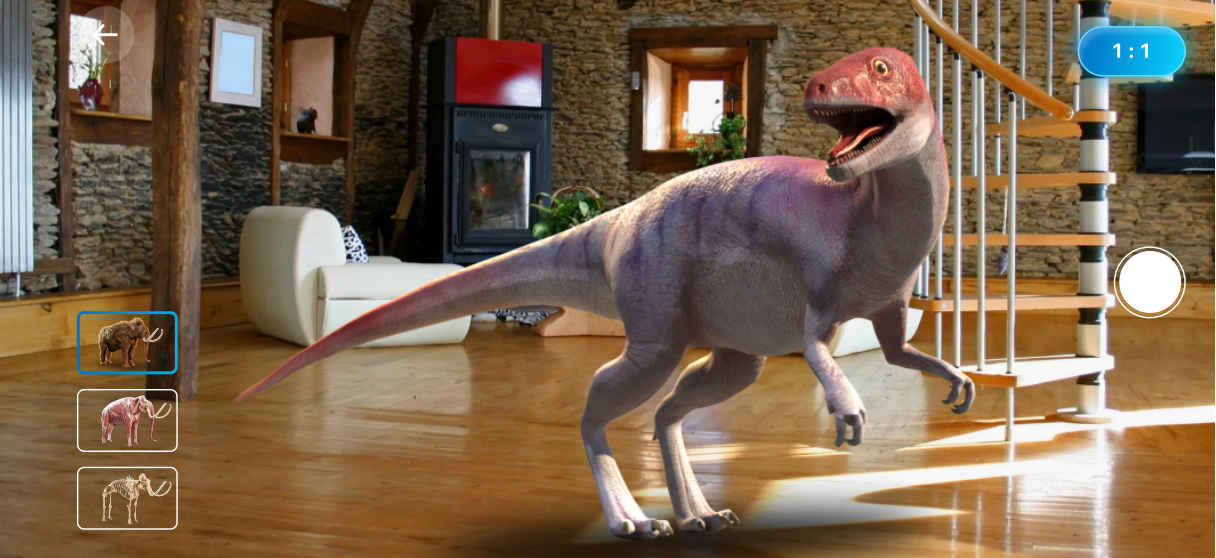
 AR - MODE
 GALLERY
 HISTORY OF DISCOVERIES

