


Microceratus

Name meaning:
Small-horned one
Period of life:
90 mya
Period:
Cretaceous period
Habitat:
Lakes and marshes
Taxonomy:
Marginocephalians
Countries:




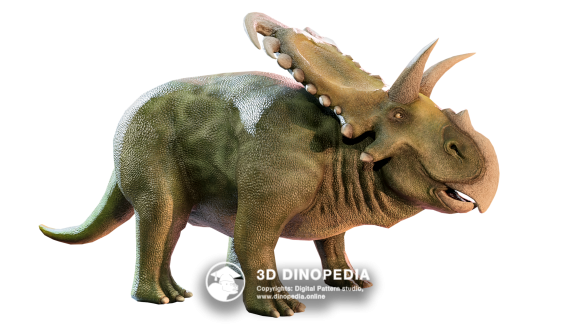 Medusaceratops


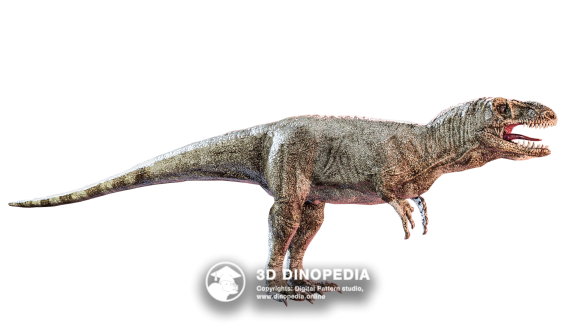
Kelmayisaurus


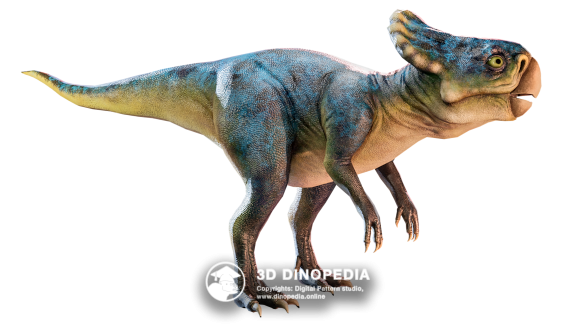
Microceratus was a small representative of the ceratopsian dinosaurs that lived during the Cretaceous Period in Asia. Its remains were first discovered in 1953 in the Gobi Desert of Mongolia. This dinosaur was a true «dwarf» among its horned relatives — its height did not exceed one meter. Despite its miniature size, Microceratus was agile and fast. It likely moved primarily on its hind limbs, but dropped to all fours while feeding.
On the head of Microceratus was a bony frill — a characteristic feature of ceratopsians, which probably served both defensive and display functions. Its mouth resembled a beak, ideally suited for cropping tough vegetation.
Microceratus fed on plants — its diet likely included ferns, horsetails, and soft shoots of low-growing shrubs. Its teeth were adapted for processing plant material, and thanks to its compact size it could easily move through dense vegetation, remaining almost unnoticed by predators. At the slightest danger, this nimble dinosaur would rise onto its hind legs and flee rapidly, relying on speed and maneuverability.
Microceratus is considered to have been one of the smallest ceratopsians ever to have existed on Earth. However, precise data are limited: the species Microceratus is known from only a few fossil fragments — parts of the hind limbs, the beak, and the bony frill. As a result, much about its appearance and lifestyle remains unknown. Future discoveries in the Gobi Desert may help uncover the secrets of this miniature horned dinosaur.
Discussions
Start the first one!
 Start a discussion
Other animals









 INTERESTING FACTS
 PUZZLES
 HOME
HOME
 3D MODEL "SKIN"
 3D MODEL "MUSCLES"
 3D MODEL "SKELETON"
 VISION
 NEIGHBORS
 VOICE ACTING
 AR - MODE
 GALLERY
 HISTORY OF DISCOVERIES

