


Nipponosaurus

Name meaning:
Japanese lizard
Period of life:
85–70 million years ago
Period:
Cretaceous period
Habitat:
Coasts
Taxonomy:
Ornithopods
Countries:




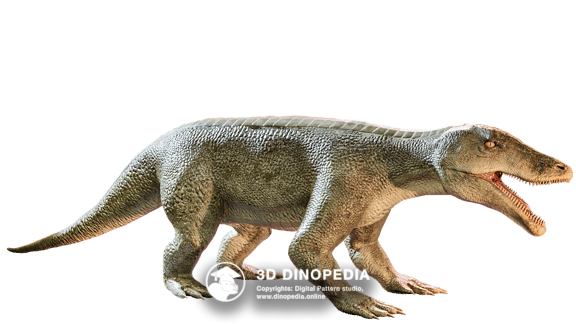 Araripesuchus


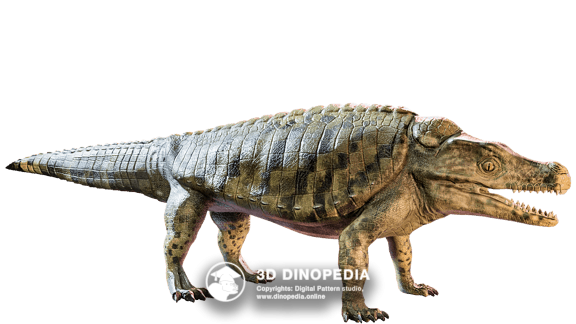
Armadillosuchus


What does the name mean: “Japanese lizard”.
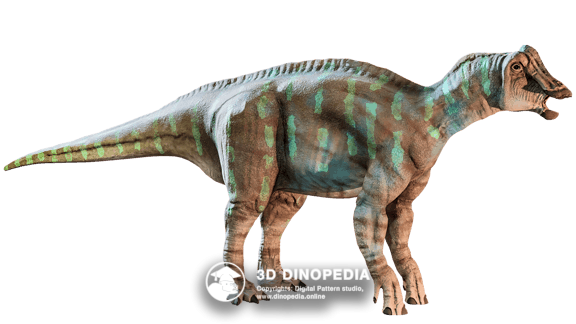
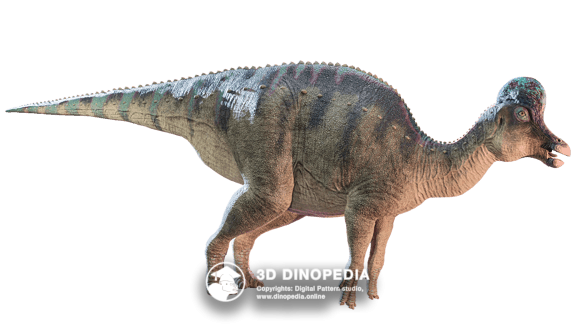
Nipponosaurus was a duck-billed dinosaur, or hadrosaur, that lived during the Late Cretaceous on the territory of the modern Russian Far East about 80 million years ago.
This dinosaur is known from the remains of a relatively small animal: about 4 meters long, around 2 meters tall, and weighing roughly 300–600 kilograms. However, these dimensions may be misleading. The only known skeleton belonged to a very young individual that died at an early age. Therefore, the true size of adult Nipponosaurus remains unknown. Based on comparisons with its closest relatives, scientists suggest that fully grown individuals may have reached 7–8 meters in length and weighed around 2 tonnes.
Despite its bulky body, Nipponosaurus was fairly agile. It could move on both two and four legs. Young individuals probably ran more often on their hind limbs, while adults mainly walked on all fours. Its long, stiff tail helped maintain balance during movement. At the tip of the snout was a flat “duck bill” — a characteristic feature of hadrosaurs, or “duck-billed dinosaurs.” The skull of Nipponosaurus is incompletely preserved, but adult members of this group often possessed a hollow crest on the head. At the same time, some close relatives either lacked a crest entirely or had only a soft, fleshy structure resembling a rooster’s comb. Since the discovered Nipponosaurus did not survive to adulthood, whether it possessed a crest remains uncertain.
One of the most remarkable features of Nipponosaurus was its dental system. Its jaws contained hundreds of teeth arranged in tightly packed rows known as dental batteries. The front parts of the jaws were toothless and covered with a beak, while the teeth were located deeper in the rear part of the mouth. The dinosaur probably clipped vegetation with its strong beak and then thoroughly ground it using powerful chewing surfaces. As working teeth wore down and fell out, new ones constantly moved forward to replace them, providing continuous and highly efficient food processing. This “chewing machine” allowed Nipponosaurus to handle tough, fibrous plants inaccessible to many other animals.
Its digestive system was likely adapted for processing large amounts of coarse plant material. Like modern herbivores, it probably had a long intestine and specialized gut bacteria that helped break down cellulose. Nipponosaurus most likely fed on ferns, conifer branches, seeds, and early flowering plants common in its environment.
Thanks to such an efficient feeding strategy, hadrosaurs — including Nipponosaurus — became some of the most successful herbivorous dinosaurs of the Late Cretaceous. They could feed almost continuously, maintaining a high level of activity. Some scientists believe many dinosaurs may have been warm-blooded. If this was also true for Nipponosaurus, it would have required large amounts of food to sustain its energy levels. In return, such physiology would have made it less dependent on environmental temperature and allowed rapid growth. Judging by the structure of its bones, Nipponosaurus developed very quickly: the discovered specimen was less than two years old yet had already reached 4 meters in length. One can only imagine the size and strength fully grown adults achieved.
After its discovery, Nipponosaurus remained mysterious for a long time. The skeleton was incomplete and belonged to a juvenile animal, causing scientists to question whether it represented a distinct species or merely the young form of another known dinosaur. Only after decades of careful research did Nipponosaurus secure its place in scientific classification and help expand our understanding of the diversity of Asian dinosaurs during the Cretaceous period.
Discussions
Start the first one!
 Start a discussion
Other animals




 INTERESTING FACTS
 PUZZLES
 HOME
HOME
 3D MODEL "SKIN"
 3D MODEL "MUSCLES"
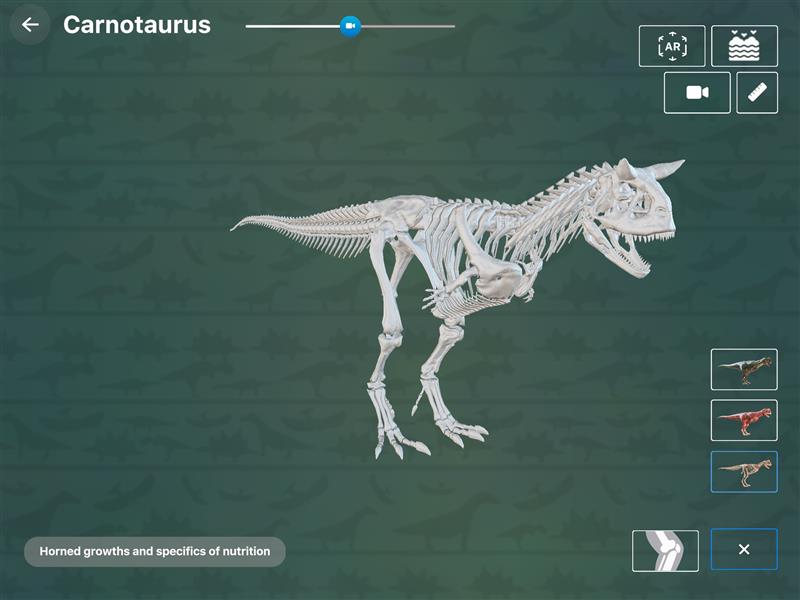
 3D MODEL "SKELETON"
 VISION
 NEIGHBORS
 VOICE ACTING
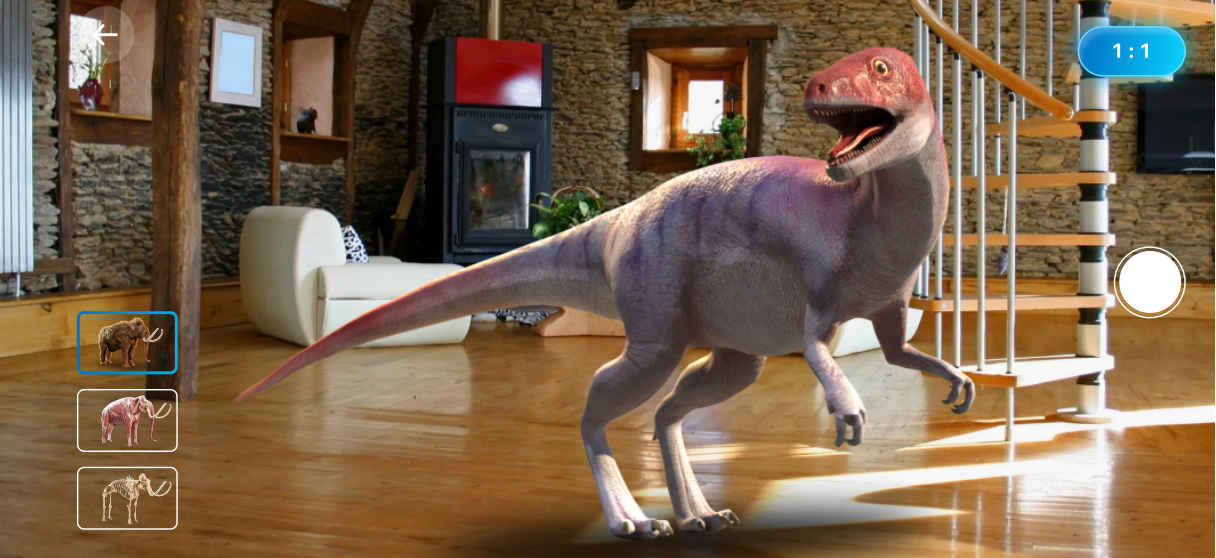
 AR - MODE
 GALLERY
 HISTORY OF DISCOVERIES

