


Hypsilophodon

Name meaning:
Hypsilophus’ tooth
Period of life:
130-125 mya
Period:
Cretaceous period
Habitat:
Woodlands
Taxonomy:
Ornithischians
Countries:




 Repenomamus


Confuciusornis


«tooth of Hypsilophus», after the lizard Hypsilophus, which is now considered to have been an iguana.
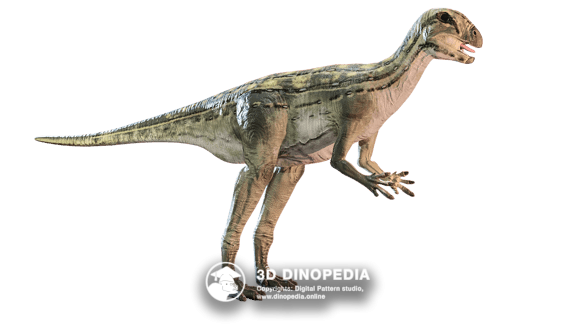
Hypsilophodon was a small herbivorous dinosaur that lived during the Early Cretaceous, about 125 million years ago. Its remains were first discovered in 1849 on the Isle of Wight in England by local workers. Initially, scientists mistakenly believed that this dinosaur was arboreal. Only later did paleontologist Peter Galton reassemble the skeleton and realize that the claws were oriented downward, indicating that Hypsilophodon was not adapted for climbing.
This dinosaur was relatively small, measuring about two meters in length and weighing around 20 kilograms, comparable to a large sheepdog. Despite its size, it was extremely agile. Long hind limbs with powerful muscles allowed it to escape predators quickly, maneuvering through dense vegetation. Its body was held in a forward-leaning posture, while the long tail helped maintain balance during rapid movement.
The head of Hypsilophodon ended in a sharp, keratinous beak. With it, the animal clipped young shoots and leaves, while the teeth behind the beak processed the plant material into pulp. Based on the structure of its jaws, Hypsilophodon may have been a selective feeder, preferring the most tender and nutritious parts of plants.
Discussions
Start the first one!
 Start a discussion
Other animals




 INTERESTING FACTS
 PUZZLES
 HOME
HOME
 3D MODEL "SKIN"
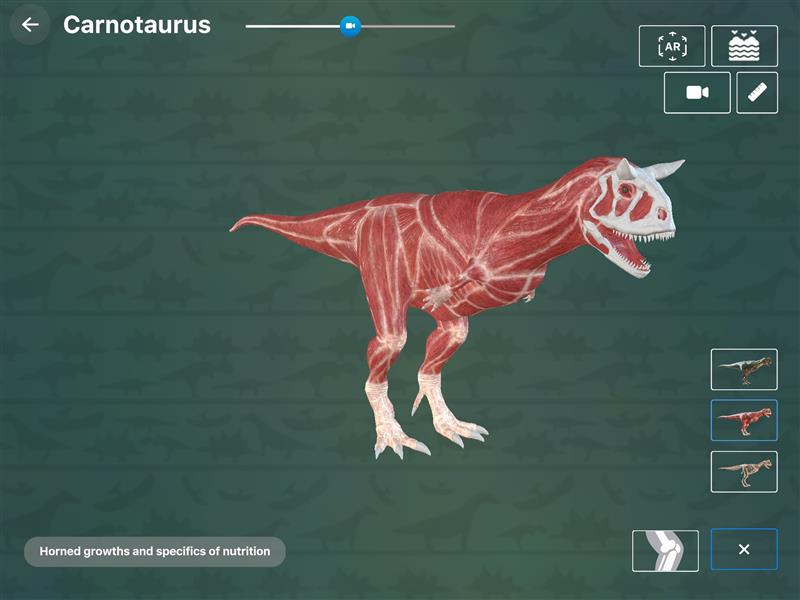
 3D MODEL "MUSCLES"
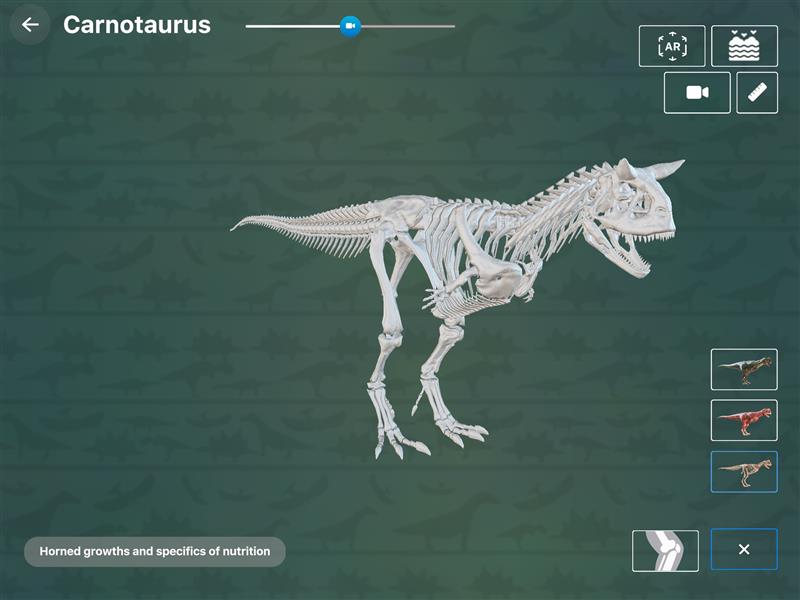
 3D MODEL "SKELETON"
 VISION
 NEIGHBORS
 VOICE ACTING
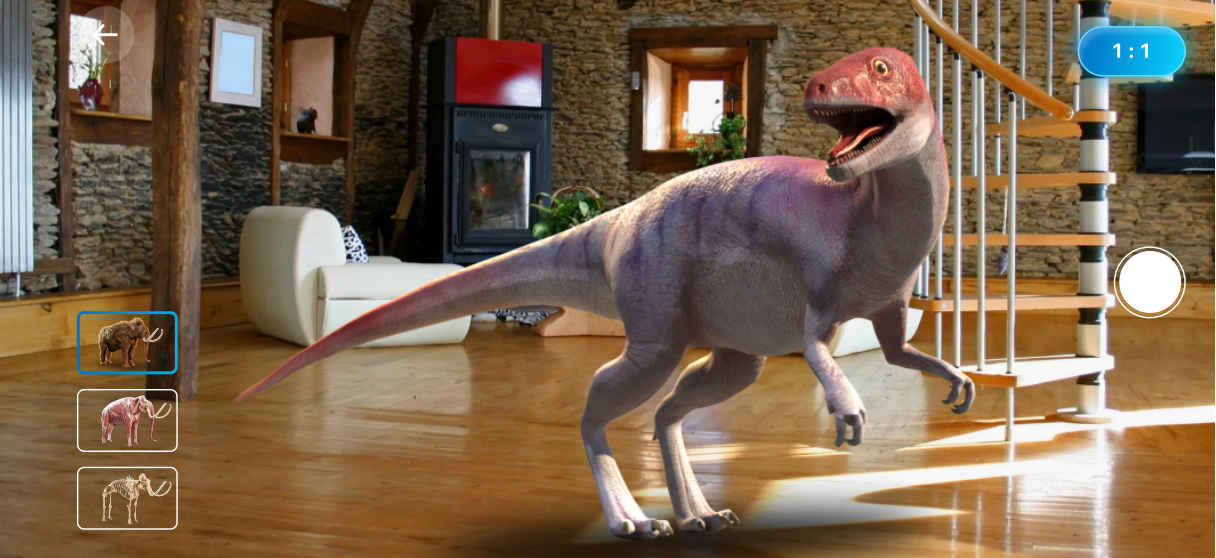
 AR - MODE
 GALLERY
 HISTORY OF DISCOVERIES

