


Medusaceratops

Name meaning:
Medusa-horned face
Period of life:
78-77 mya
Period:
Cretaceous period
Habitat:
Floodplains
Taxonomy:
Marginocephalians
Countries:

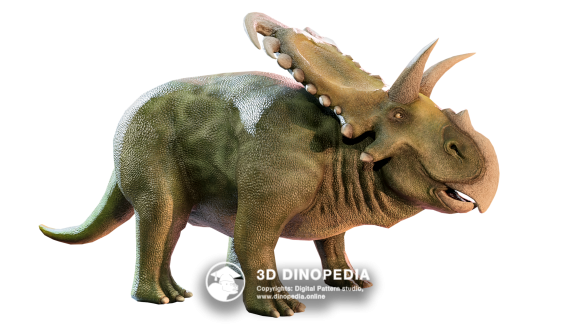



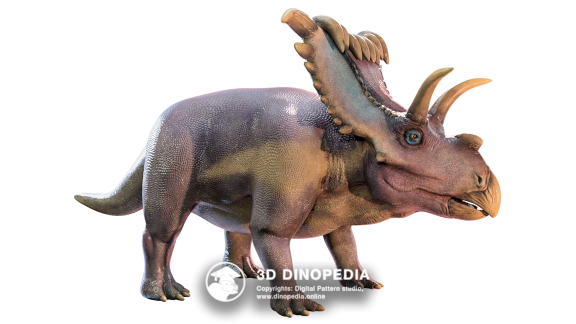 Kosmoceratops


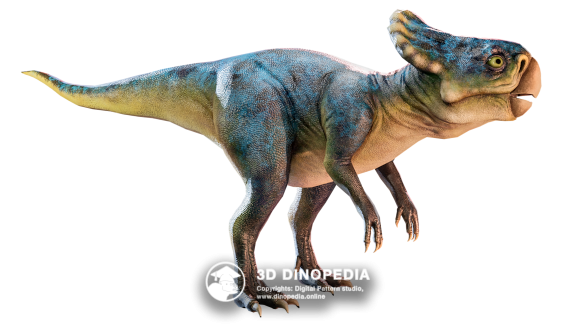
Microceratus


Medusaceratops was a representative of herbivorous dinosaurs from the ceratopsian infraorder, living about 80 million years ago in what is now North America. Its remains were discovered in 1995 in the province of Alberta (Canada), but were described only 15 years later — in 2010.
Medusaceratops received its unusual name because of the massive bony frill along the rear edge of the skull. Its curved, «tentacle-like» bony projections reminded researchers of the mythical Medusa Gorgon. In terms of size, this dinosaur was impressive: body length is estimated at up to 6 meters, height at about 2.5 meters, and body mass may have exceeded 3.5 tons.
Medusaceratops lived during the Late Cretaceous — the peak era of horned dinosaurs. In those ancient ecosystems, it coexisted with other large herbivores, such as hadrosaurs and ankylosaurs. Scientists believe that these animals occupied different ecological niches: some fed on soft shoots and tree leaves, while others consumed low-growing vegetation. Judging by the structure of the skull and jaws, Medusaceratops likely preferred low shrubs and grasses, which it could easily feed on without raising its head high above the ground.
Unfortunately, only a small number of fossil fragments of this dinosaur have been preserved, so its external appearance can currently be reconstructed only by comparison with close relatives. It is known that Medusaceratops probably moved on four sturdy legs, with the hind limbs slightly longer than the forelimbs. It was not a fast runner, but was likely more mobile than its more massive later ceratopsids, such as Triceratops.
Discussions
 Start a discussion
Other animals





 INTERESTING FACTS
 PUZZLES
 HOME
HOME
 3D MODEL "SKIN"
 3D MODEL "MUSCLES"
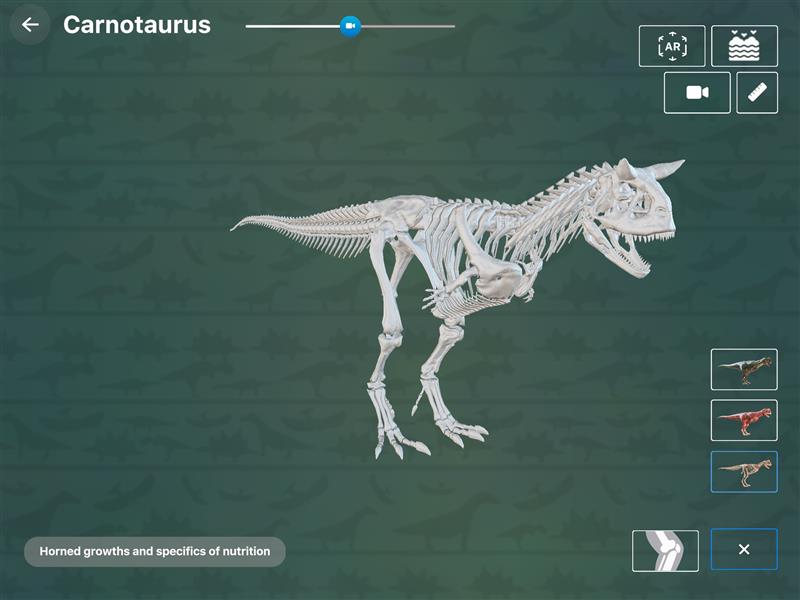
 3D MODEL "SKELETON"
 VISION
 NEIGHBORS
 VOICE ACTING
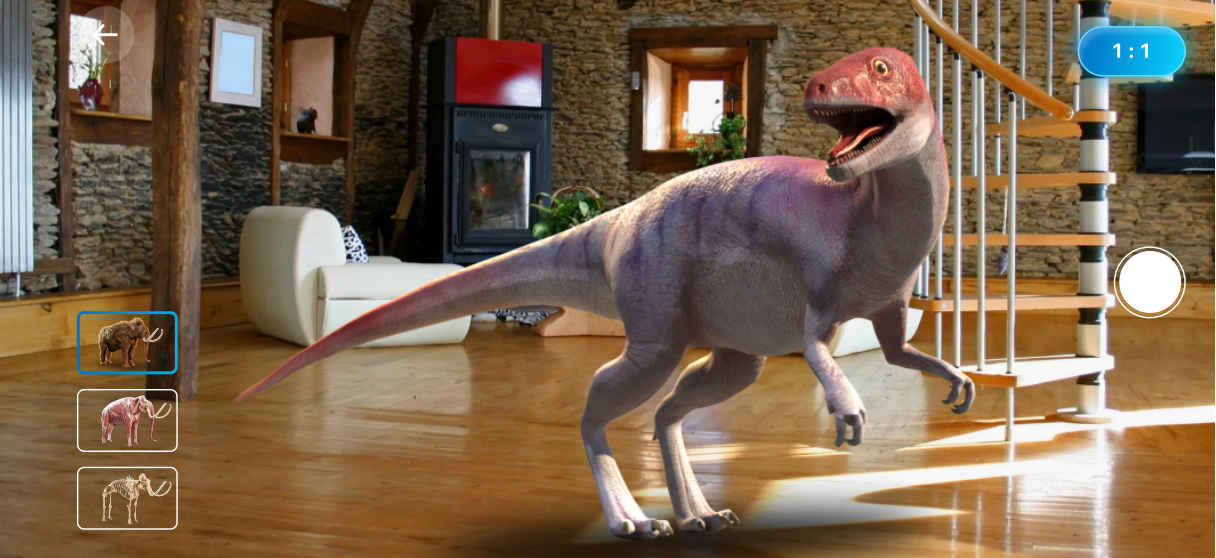
 AR - MODE
 GALLERY
 HISTORY OF DISCOVERIES

