


Pterodaustro

Name meaning:
Southern wing
Period of life:
113-101 mya
Period:
Cretaceous period
Habitat:
Coasts
Taxonomy:
Pterosaurs
Countries:




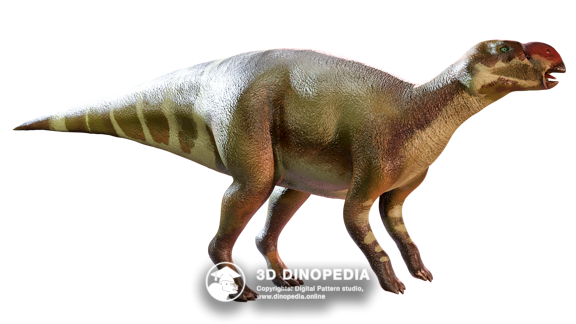 Muttaburrasaurus


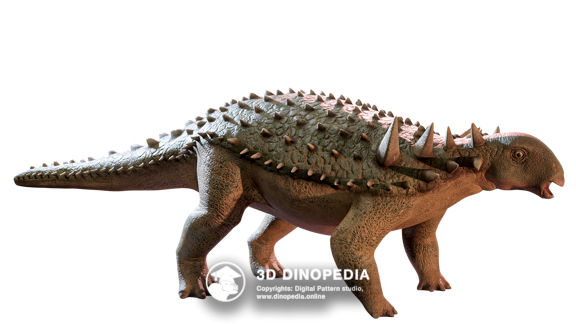
Sauropelta


«wing of the southern wind», from Ancient Greek "pteron" means "wing" and Latin "Auster" means "southern wind".
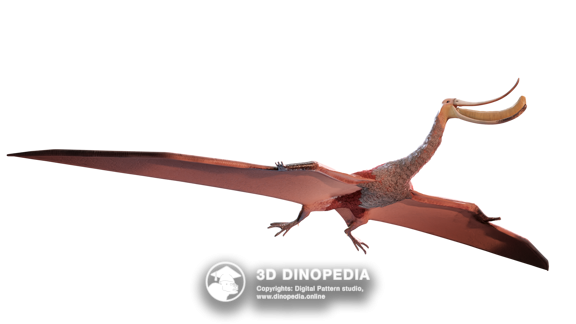
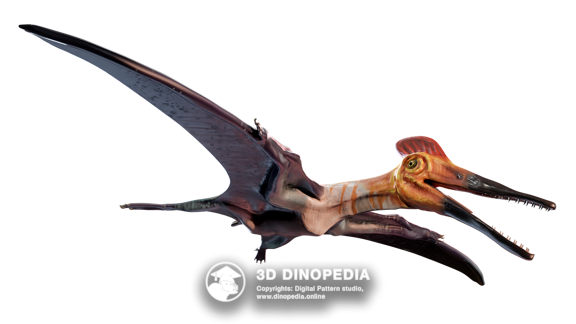
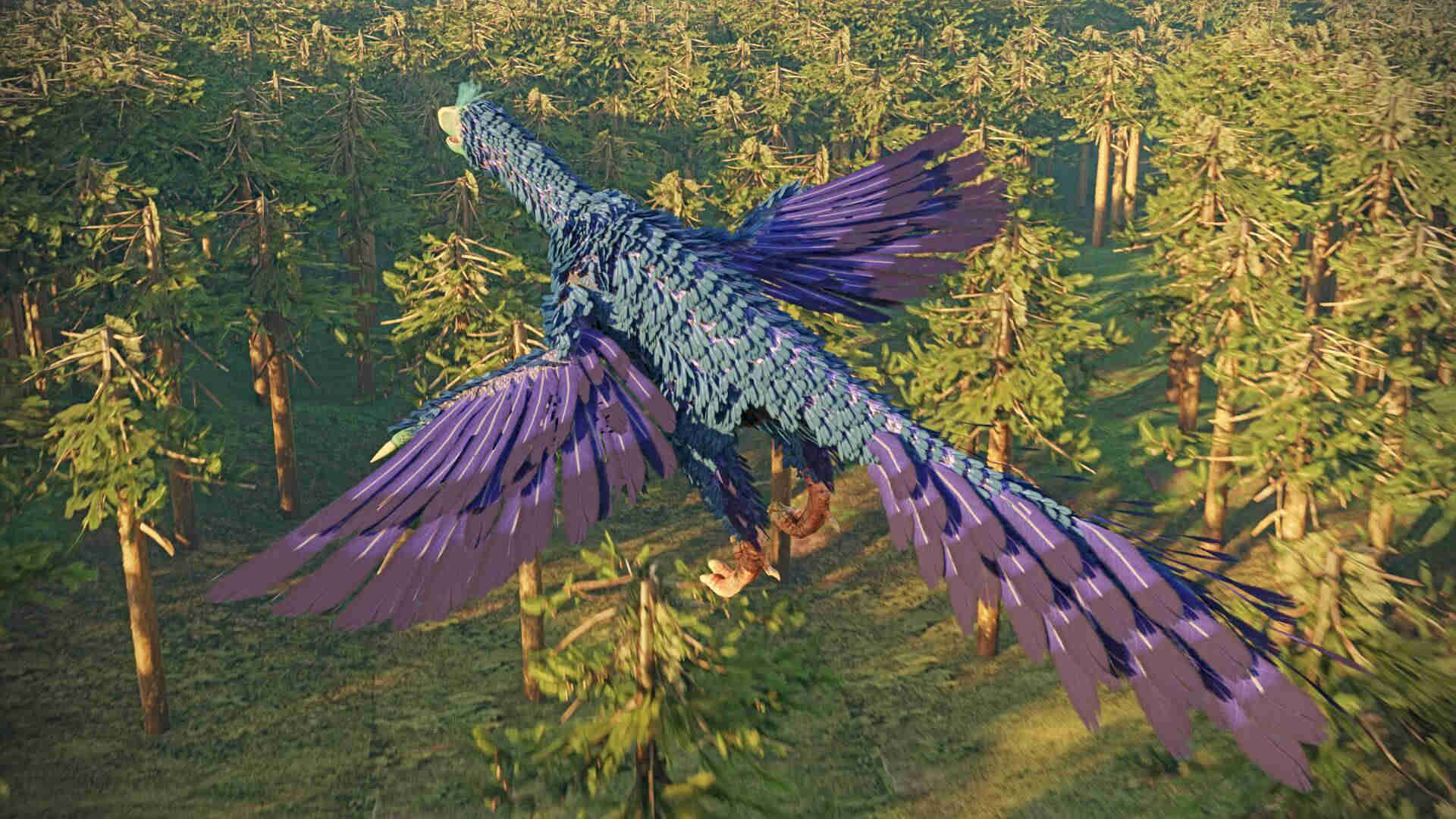
Pterodaustro is a remarkable representative of the pterosaur world that inhabited the territory of South America approximately 105 million years ago, during the Early Cretaceous period. Its remains were first discovered in the late 1960s, and since then this unusual flying reptile has continued to attract scientific attention due to its anatomy.
With a body length of just over one meter, the wingspan of Pterodaustro reached 2.5 meters. Its elongated skull, about 30 centimeters long, and its upward-curving beak gave it a distinctive appearance. However, its principal «instrument» was its teeth — up to a thousand in the lower jaw. Slender, sharp, about 3 centimeters long and only 0.3 millimeters thick, they formed a natural filtering apparatus. These teeth were true teeth — with pulp, dentin, and enamel — yet they possessed unusual flexibility: they could bend up to 45 degrees without breaking.
Scientists believe that Pterodaustro fed on plankton, small fish, crustaceans, and larvae, straining water through its dental bristles — in much the same way that modern flamingos filter algae and small crustaceans. It is possible that these pterosaurs spent much of their time in shallow waters, «scooping» food from the water with their long beaks.
According to estimates based on age series and growth rates inferred from bone tissues, juvenile Pterodaustro grew rapidly: during the first two years they nearly reached adult size, after which the growth rate slowed significantly. Full maturity was attained only several years later — approximately at 5–7 years of age.
Due to its short legs and elongated body with a long neck, Pterodaustro likely found it difficult to take off from flat surfaces. There are hypotheses that it may have required a running start along shallow water or firm shoreline, or a forceful «leap» supported by all limbs — as has been proposed for several large pterosaurs.
Thus, Pterodaustro demonstrates a degree of specialization for shallow-water feeding that is rare among pterosaurs: it remained an aerial animal, yet likely spent a significant portion of its time near water, employing «flamingo-like» filtration.
Discussions
 Start a discussion
Other animals









 INTERESTING FACTS
 PUZZLES
 HOME
HOME
 3D MODEL "SKIN"
 3D MODEL "MUSCLES"
 3D MODEL "SKELETON"
 VISION
 NEIGHBORS
 VOICE ACTING
 AR - MODE
 GALLERY
 HISTORY OF DISCOVERIES

