


Plateosaurus

Name meaning:
Broad lizard
Period of life:
214-204 mya
Period:
Triassic period
Habitat:
Lakes and marshes
Taxonomy:
Sauropodomorphs
Countries:






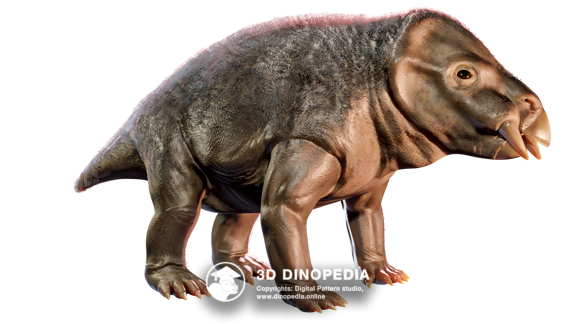 Placerias


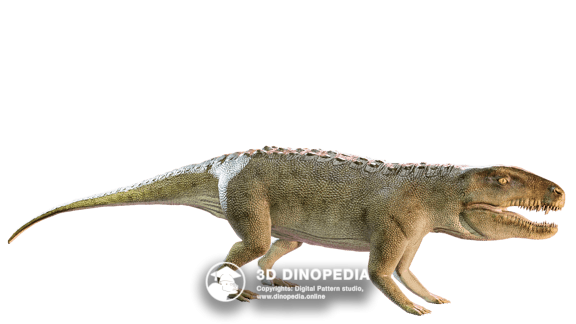
Postosuchus


«broad lizard», probably referring to the wide, robust limb bones.
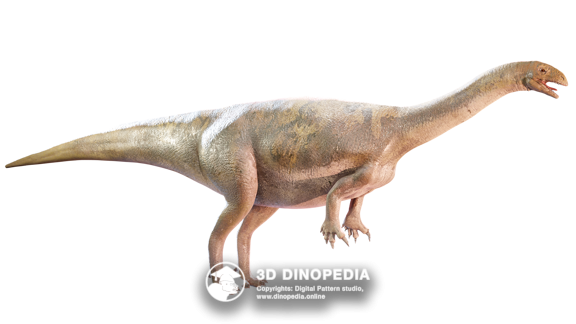
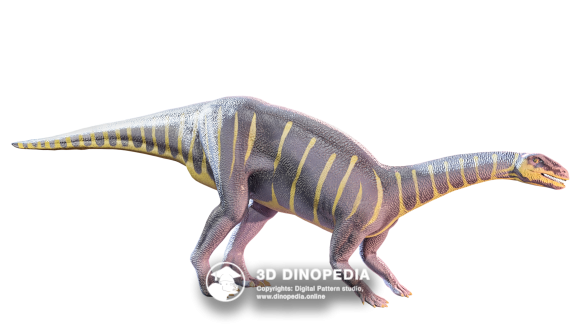
Plateosaurus was one of the earliest giants — an ancestor of the famous sauropods that would later become the largest animals on Earth. These dinosaurs lived around 214 million years ago, in the Late Triassic, across what are now Germany, France, Switzerland, and even Greenland.
Plateosaurus was truly an impressive creature. It reached 5–10 metres in length, and its weight ranged from 600 kilograms to as much as 4 tonnes. Its body was massive and almost pear-shaped, with a powerful tail made up of 40 vertebrae and a long, flexible neck of 10 vertebrae. At the end of this neck sat a relatively small, narrow head.
The teeth of Plateosaurus were lance-shaped — typical of herbivorous dinosaurs. There were more than 60 in the upper jaw and around 56 in the lower. A low-set jaw joint gave great strength to its chewing muscles, allowing Plateosaurus to grind tough plant material with ease.
This ancient reptile moved mainly on two powerful hind legs, although its forelimbs were also strong — simply almost half as long. They ended in grasping fingers, which may have helped the animal pull down branches or support its body when moving on all fours.
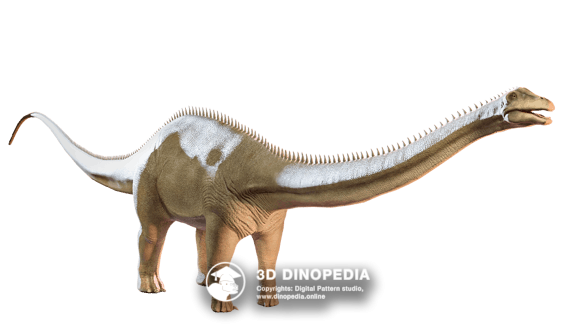
This herbivorous giant was one of the largest representatives of the prosauropods — the group that gave rise to the enormous Jurassic sauropods. The huge body of Plateosaurus housed a well-developed digestive system that worked almost constantly, processing vast amounts of plant matter. Day and night, this ancient animal grazed peacefully across the valleys of the Triassic world, laying the groundwork for the evolution of future giants such as Diplodocus and Brachiosaurus.
Discussions
Start the first one!
 Start a discussion
Other animals



 INTERESTING FACTS
 PUZZLES
 HOME
HOME
 3D MODEL "SKIN"
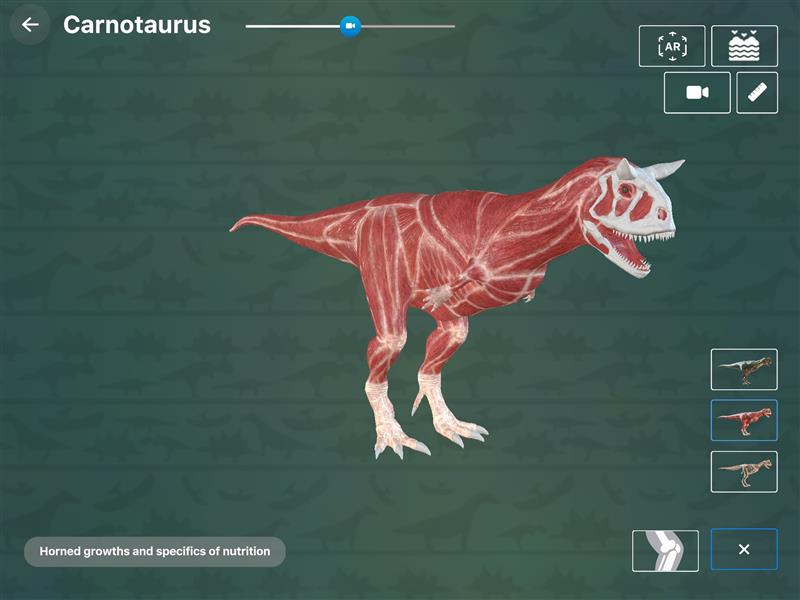
 3D MODEL "MUSCLES"
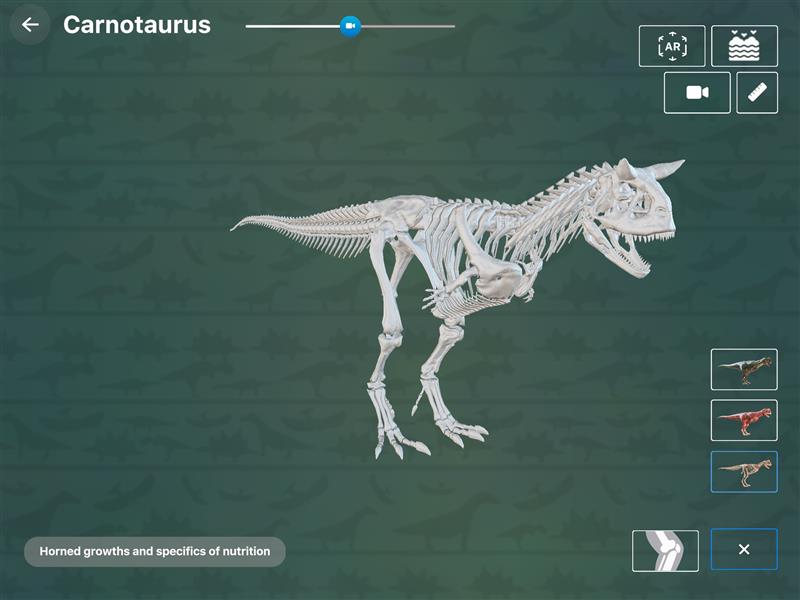
 3D MODEL "SKELETON"
 VISION
 NEIGHBORS
 VOICE ACTING
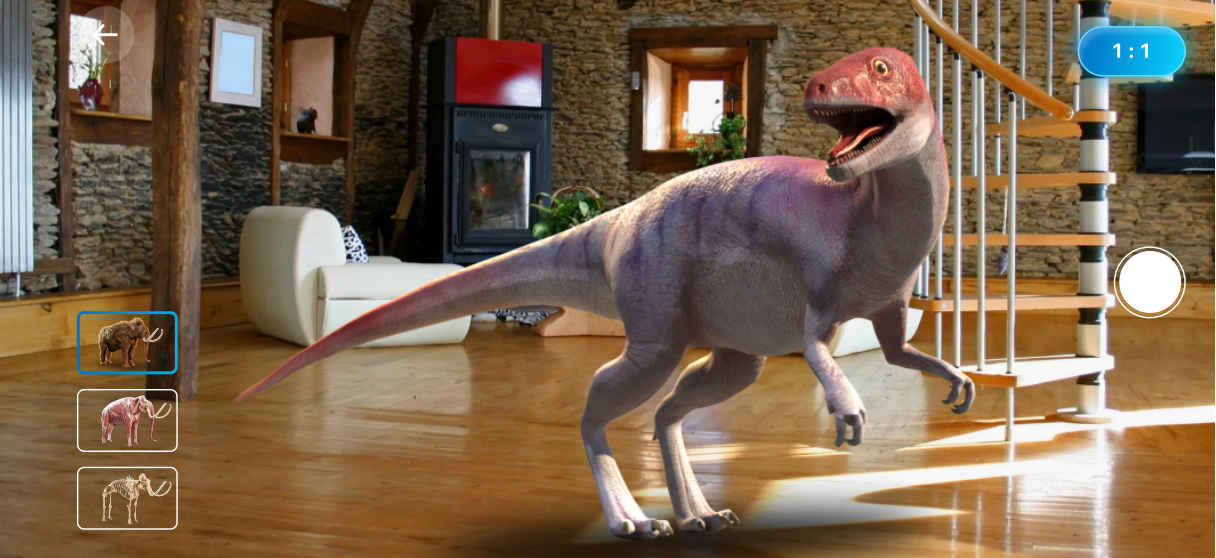
 AR - MODE
 GALLERY
 HISTORY OF DISCOVERIES

