


Estemmenosuchus

Name meaning:
Crowned crocodile
Period of life:
267 million years ago
Period:
Permian period
Habitat:
Lakes and marshes
Taxonomy:
Synapsids
Countries:




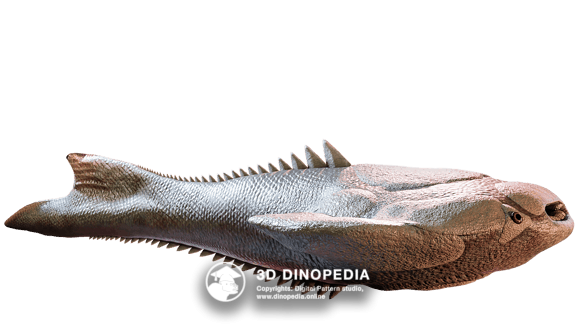 Psammolepis


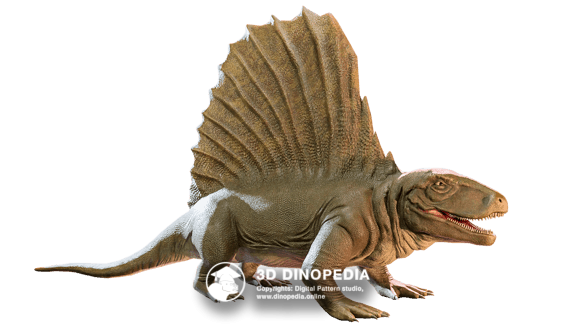
Dimetrodon


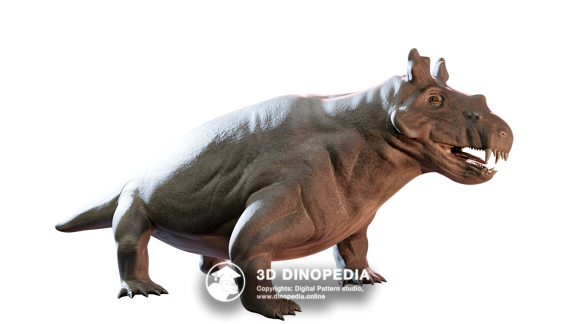
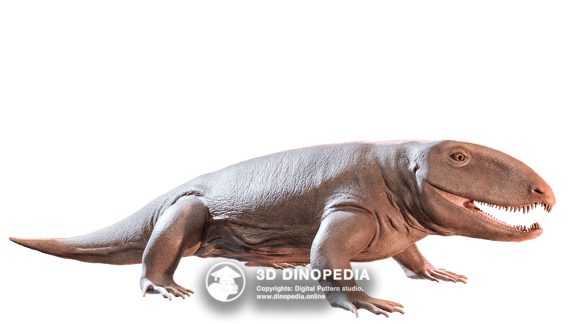
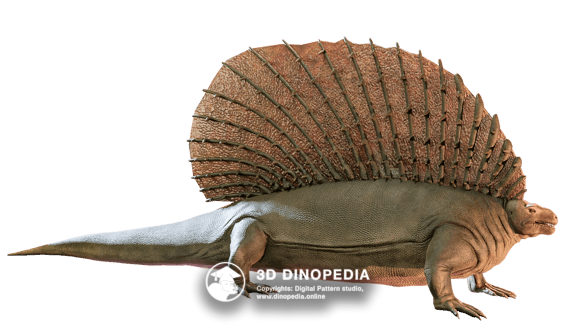
«Crowned crocodile», so called because of the large bony growths on its head.
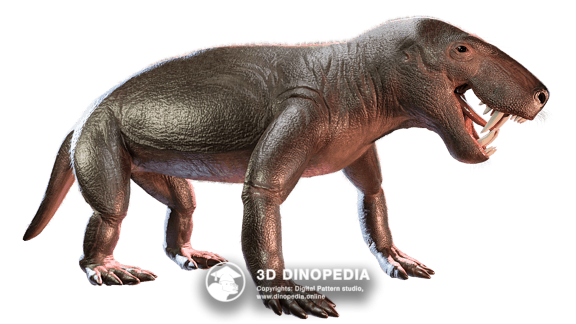
Estemmenosuchus was a representative of the ancient mammal-like reptiles, living around 267 million years ago, at the end of the Permian Period. From a scientific perspective, it belonged to the synapsids — a group of animals that became the distant ancestors of mammals. Its name translates as «crowned lizard», possibly referring to the distinctive bony outgrowths on its head, which gave it an almost fantastical appearance.
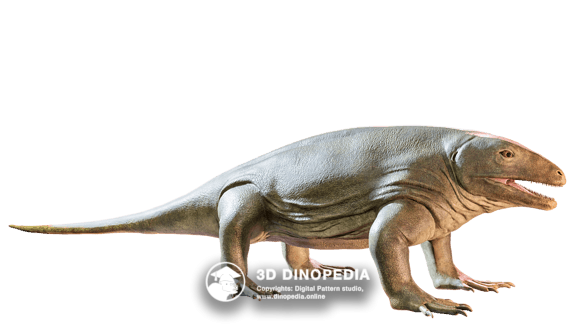
The body length of Estemmenosuchus may have exceeded 4 metres, and its height reached up to 1.8 metres. Scientists recognise two species of this ancient animal — Estemmenosuchus uraliensis and Estemmenosuchus mirabilis. The latter was noticeably smaller — up to 3 metres in length — and had a more slender build. The weight of members of the genus ranged from 500 kilograms to one and a half tonnes.
In terms of lifestyle, Estemmenosuchus probably resembled modern hippos: it spent much of its time near water — along rivers, lakes, and even coastal lagoons. The diet of these creatures remains a subject of debate among palaeontologists. Judging by the structure of its teeth, Estemmenosuchus may have fed on a wide variety of vegetation — ferns, tree-like horsetails such as Calamites, clubmosses, and algae. Its large body and, likely, complex digestive system were well suited to processing plant matter, which requires more time and energy to digest.
However, Estemmenosuchus also had well-developed canine teeth. Some researchers suggest that it was omnivorous — not only eating plants, but also possibly feeding on carrion or small animals. In this respect, it again resembles the hippopotamus, which is considered herbivorous but will not refuse protein-rich food when the opportunity arises.
Estemmenosuchus, like many other large prehistoric animals, may have possessed so-called inertial warm-bloodedness, or gigantothermy. This means that, thanks to its massive body, it warmed up slowly during the day and cooled down just as slowly at night, remaining warm for most of the time, even without being a truly endothermic animal.
Discussions
Start the first one!
 Start a discussion
Other animals



 INTERESTING FACTS
 PUZZLES
 HOME
HOME
 3D MODEL "SKIN"
 3D MODEL "MUSCLES"
 3D MODEL "SKELETON"
 VISION
 NEIGHBORS
 VOICE ACTING
 AR - MODE
 GALLERY
 HISTORY OF DISCOVERIES

