


Liopleurodon

Name meaning:
Smooth-sided tooth
Period of life:
166–155 mya
Period:
Jurassic period
Habitat:
Marine environment
Taxonomy:
Marine reptiles
Countries:



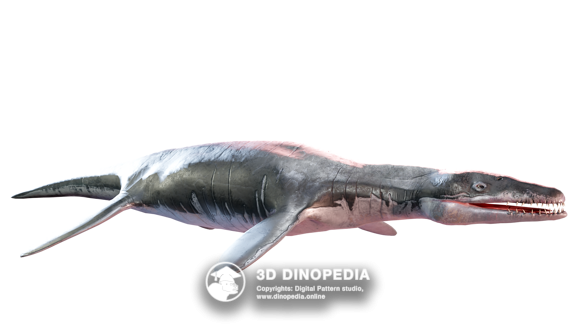



 Monolophosaurus


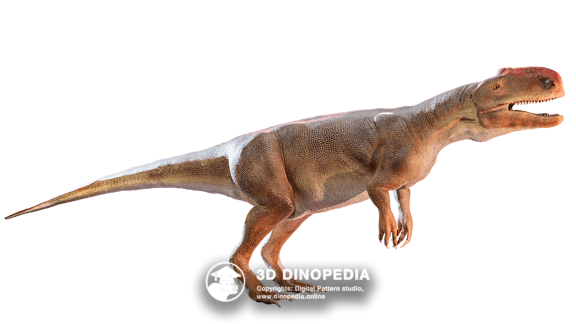
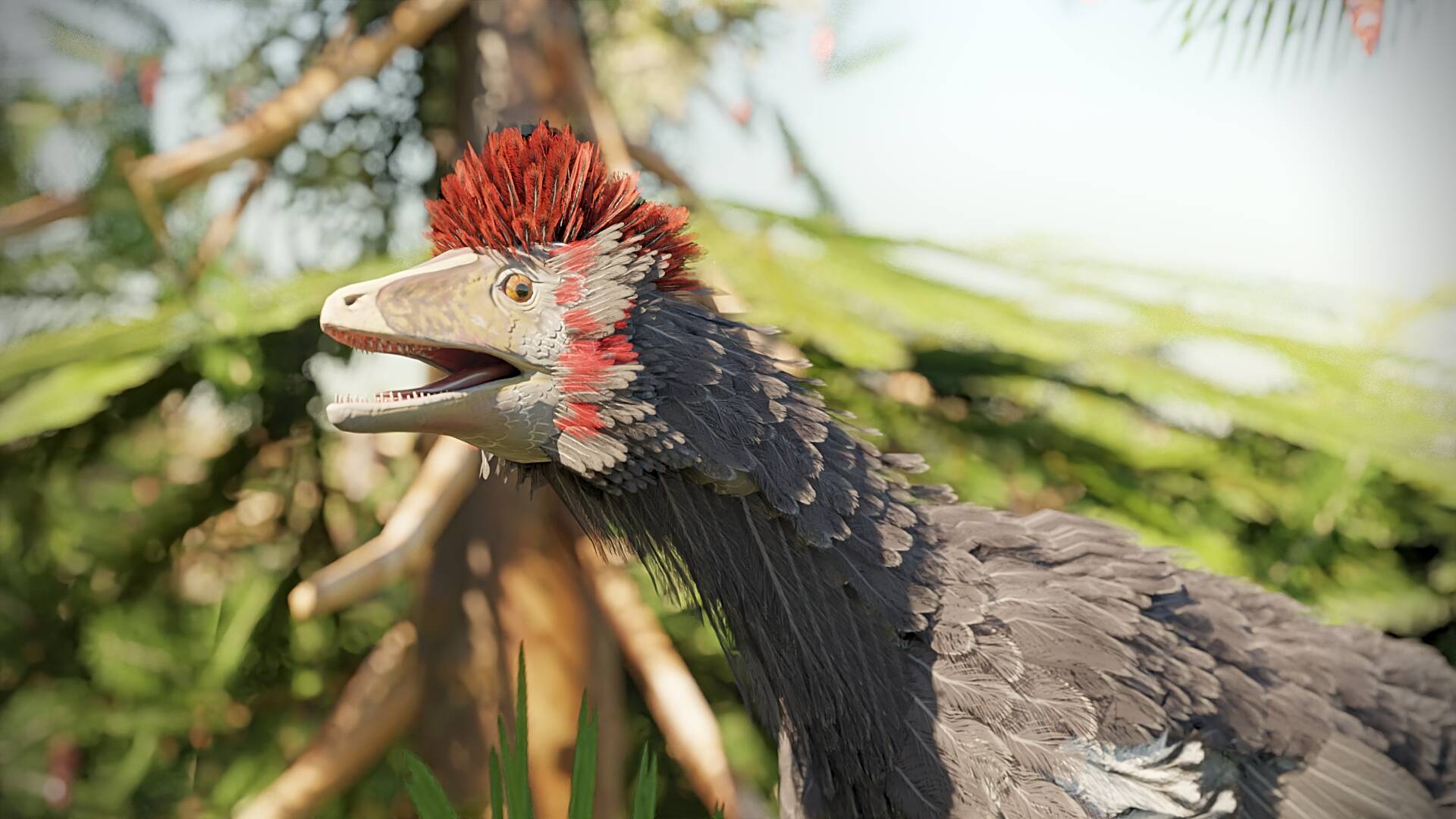
Anchiornis
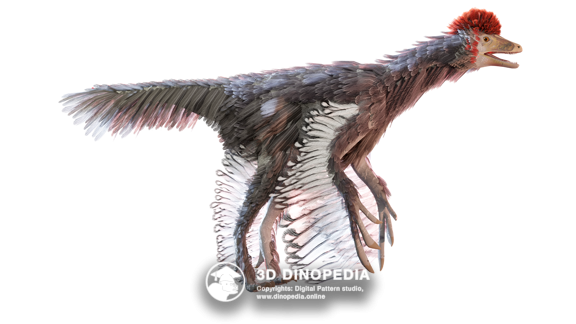


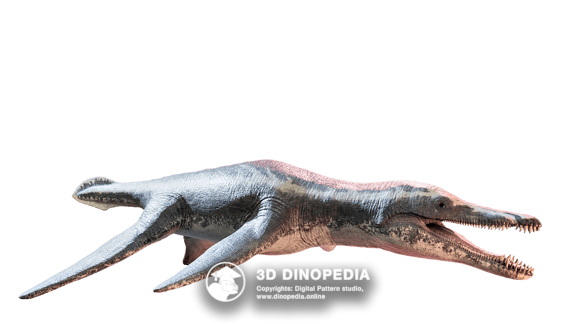
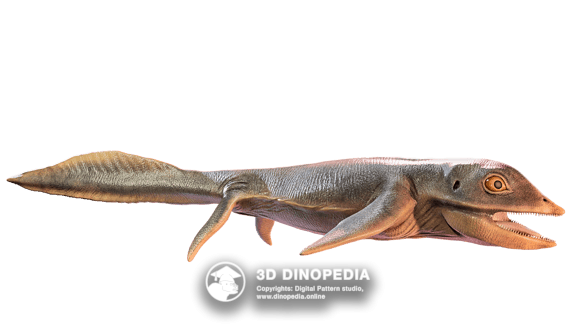
Liopleurodon was one of the most formidable marine predators of the Jurassic Period. This giant belonged to the pliosaur lineage and lived roughly 166–155 million years ago, when warm shallow seas covered much of what is now Europe, dotted with islands and rich marine ecosystems.
In these ancient waters, Liopleurodon occupied the role of an apex predator. It reached lengths of 5–8 metres, and some estimates suggest even up to 10 metres. Average individuals weighed around 1–1.7 tonnes, while the largest may have exceeded 7 tonnes—comparable to the mass of an adult elephant. Its skull, about 1.5 metres long, was armed with long conical teeth measuring 20–25 centimetres, making it an exceptionally dangerous hunter. With a single powerful bite, it could tear apart prey several metres in length.
Liopleurodon propelled itself with four massive flippers, nearly two metres long, functioning biomechanically like underwater wings. A single stroke allowed the predator to surge forward with remarkable speed, pursuing fish or other marine reptiles. Researchers have even suggested that during periods of food scarcity, Liopleurodon may have ventured closer to shore, potentially attacking unwary dinosaurs that entered shallow waters.
Its sensory capabilities were highly developed. Evidence indicates that Liopleurodon possessed an acute sense of smell, enabling it to detect chemical traces of prey over considerable distances and determine the direction of their source.
Like modern whales and dolphins, Liopleurodon was an air-breathing reptile with lungs rather than gills. It periodically surfaced to inhale before returning to the depths, remaining concealed while waiting to ambush prey. Its nocturnal hunting behaviour may have been especially effective: under low-light conditions, the predator could approach silently, leaving little chance of escape.
Such a powerful animal had few natural enemies. The primary threat likely came from other large pliosaurs. It is possible that, much like some modern marine predators, Liopleurodon defended exclusive hunting territories, excluding competitors from its domain.
Discussions
Start the first one!
 Start a discussion
Other animals



 INTERESTING FACTS
 PUZZLES
 HOME
HOME
 3D MODEL "SKIN"
 3D MODEL "MUSCLES"
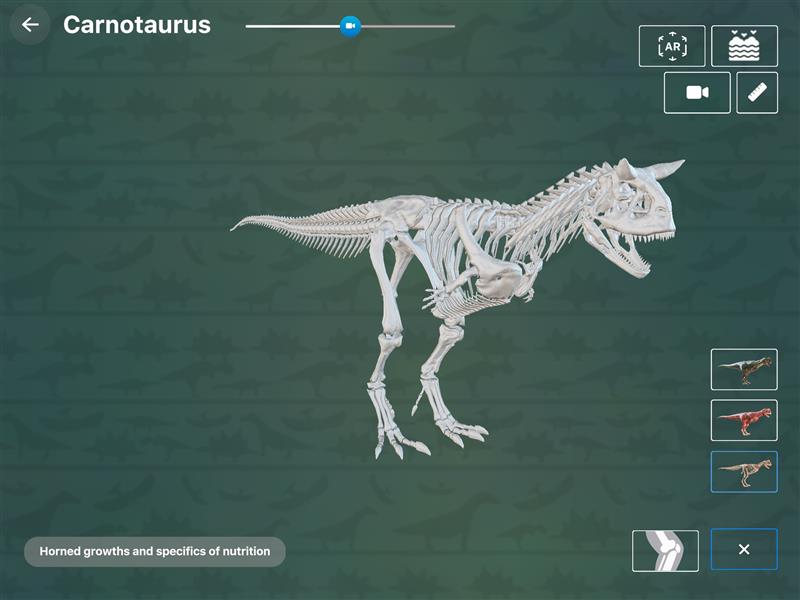
 3D MODEL "SKELETON"
 VISION
 NEIGHBORS
 VOICE ACTING
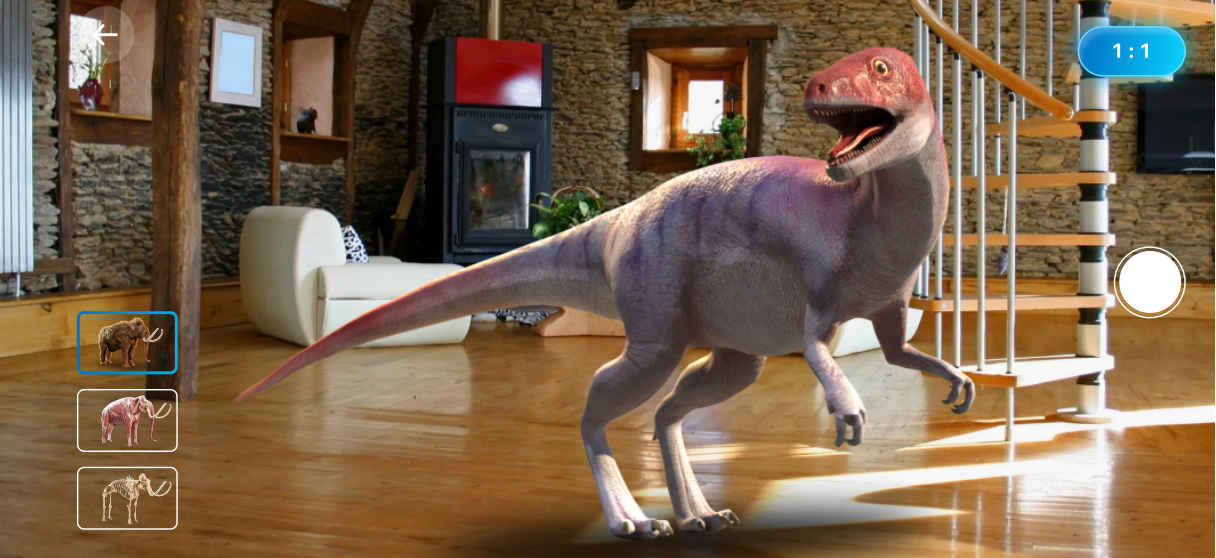
 AR - MODE
 GALLERY
 HISTORY OF DISCOVERIES

