


Palaeeudyptes

Name meaning:
Ancient crested penguin
Period of life:
50–23 million years ago
Period:
Paleogene period
Habitat:
Coasts
Taxonomy:
Birds
Countries:





 Megalampris


Megalodon


What does the name mean: “ancient crested penguin” (Eudyptes is the genus of modern crested penguins; palaeo- means “ancient”).
Palaeeudyptes is a genus of extinct large and giant penguins known mainly from Middle and Late Eocene deposits, and possibly Early Oligocene deposits, in Antarctica and New Zealand. During this period, the climate of Antarctica was much milder than today: forest ecosystems existed on the continent, and the surrounding coastal waters were highly biologically productive. According to some estimates, the largest representatives of the genus reached about 2 m in height and greatly exceeded modern emperor penguins in mass.
Fossils discovered mainly in Antarctica and New Zealand have allowed scientists to reconstruct the general appearance of Palaeeudyptes. It was a large marine penguin with a streamlined body and wings transformed into stiff flippers adapted for underwater swimming. Like other early penguins, it probably fed on fish and other active marine prey, using its long pointed beak.
Palaeeudyptes inhabited the food-rich seas of the Southern Hemisphere. Despite the warmer climate of Eocene Antarctica, regional ecosystems gradually changed as global cooling progressed. The fossil remains of these birds are fragmentary, but they are highly important for studying the early evolution of penguins, their diversity, and their adaptations to a marine lifestyle.
Discussions
Start the first one!
 Start a discussion
Other animals




 INTERESTING FACTS
 PUZZLES
 HOME
HOME
 3D MODEL "SKIN"
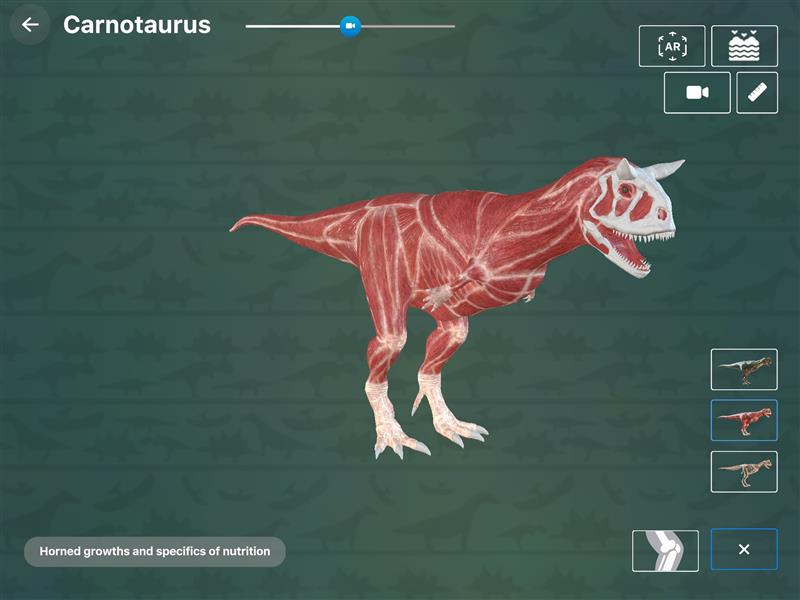
 3D MODEL "MUSCLES"
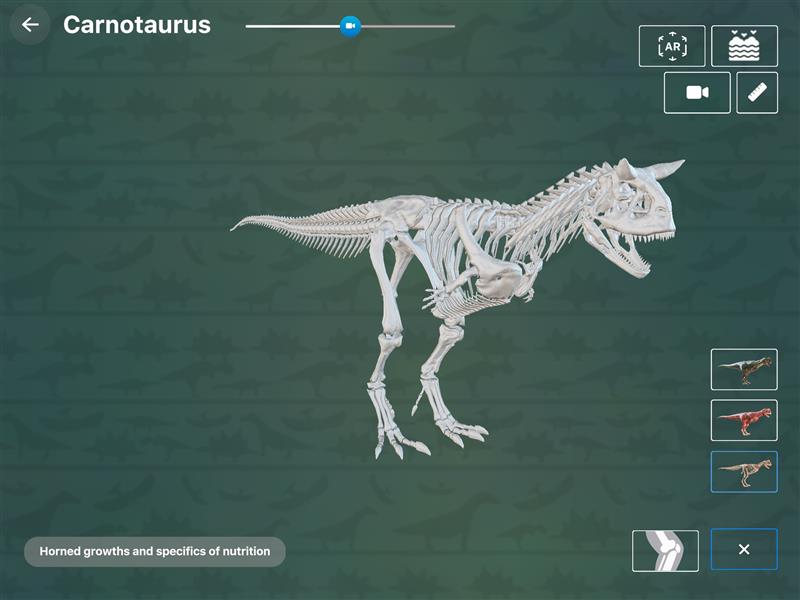
 3D MODEL "SKELETON"
 VISION
 NEIGHBORS
 VOICE ACTING
 AR - MODE
 GALLERY
 HISTORY OF DISCOVERIES

