


Dodo

Name meaning:
Fool
Period of life:
From 1–2 million years ago to the 1700 year
Period:
Quaternary period
Habitat:
Rainforests
Taxonomy:
Birds
Countries:



 Hydrodamalis gigas


Haikouichthys


What does the name mean: The Russian name “dront” derives from the Dutch dronte — “swollen” or “bloated,” reflecting the bird’s characteristic rounded silhouette; this word was recorded in the notes of the crew of the ship Gelderland in 1602. The English name dodo has disputed origins: it has been linked either to the Portuguese doudo (“fool,” “crazy”), to the Dutch dodaerse (“knot-arse”), or interpreted as an imitation of pigeon cooing. The scientific generic name Raphus arose from historical confusion: the French naturalist Georges-Louis Leclerc de Buffon used the Greek word rhaphos from the lexicon of Hesychius, initially applying it to another bird; later the name became permanently associated with the dodo.
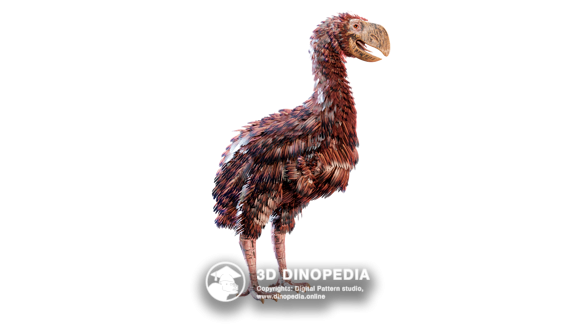
The dodo (Raphus cucullatus) was an extinct flightless bird endemic to the island of Mauritius in the Indian Ocean. Before the arrival of humans at the end of the 16th century, dodos lived in an environment lacking terrestrial predators. The last reliable observations date to 1662. However, some researchers suggest that the final extinction may have occurred around 1693, based on later but less reliable sources. The dodo was a relatively large bird, reaching about 75 cm in Height. Body mass remains debated and has been estimated at between 10 and 17 kg.
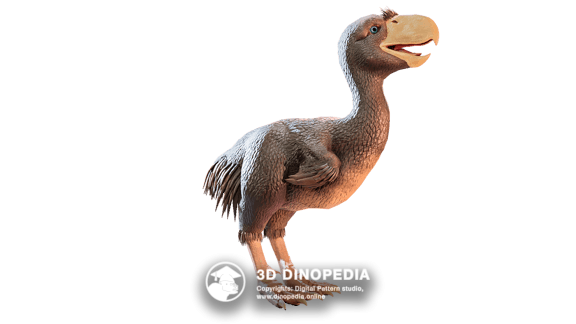
Reconstructions of the dodo’s appearance are based on eyewitness accounts, drawings, and a limited number of preserved remains. The bird possessed a massive body with grayish-brown plumage. The head was gray and featherless, bearing a large yellow-green-and-black beak curved at the tip. The wings were strongly reduced and incapable of flight; short feathers remained at their ends. The tail consisted of a small tuft of curled feathers. The legs were sturdy and yellow, with three toes facing forward and one backward, providing stable movement on the ground.
Dodos inhabited forest ecosystems, mainly in the drier coastal regions of Mauritius. They were omnivorous: their diet included fruits, seeds, nuts, roots, and probably small animals such as crabs and mollusks. To grind food in the stomach, dodos used gastroliths — swallowed stones. The dodo became one of the most famous examples of anthropogenic extinction — the disappearance of a species as a result of human activity.
Discussions
Start the first one!
 Start a discussion
Other animals





 INTERESTING FACTS
 PUZZLES
 HOME
HOME
 3D MODEL "SKIN"
 3D MODEL "MUSCLES"
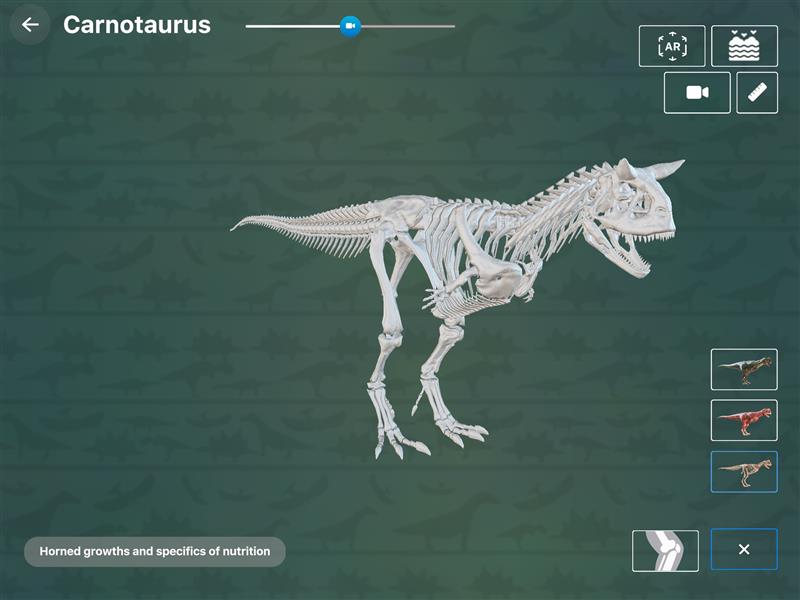
 3D MODEL "SKELETON"
 VISION
 NEIGHBORS
 VOICE ACTING
 AR - MODE
 GALLERY
 HISTORY OF DISCOVERIES

