


Cratoavis

Name meaning:
Crato bird
Period of life:
117 million years ago
Period:
Cretaceous period
Habitat:
Lakes and marshes
Taxonomy:
Theropods
Countries:



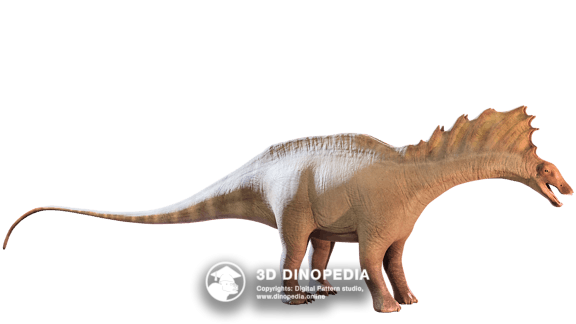 Bajadasaurus


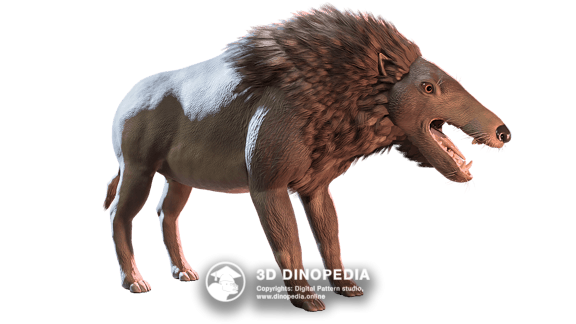
Andrewsarchus


What does the name mean: The name Cratoavis cearensis comes from the Crato Formation, where its fossils were discovered, and the Latin word avis (“bird”).
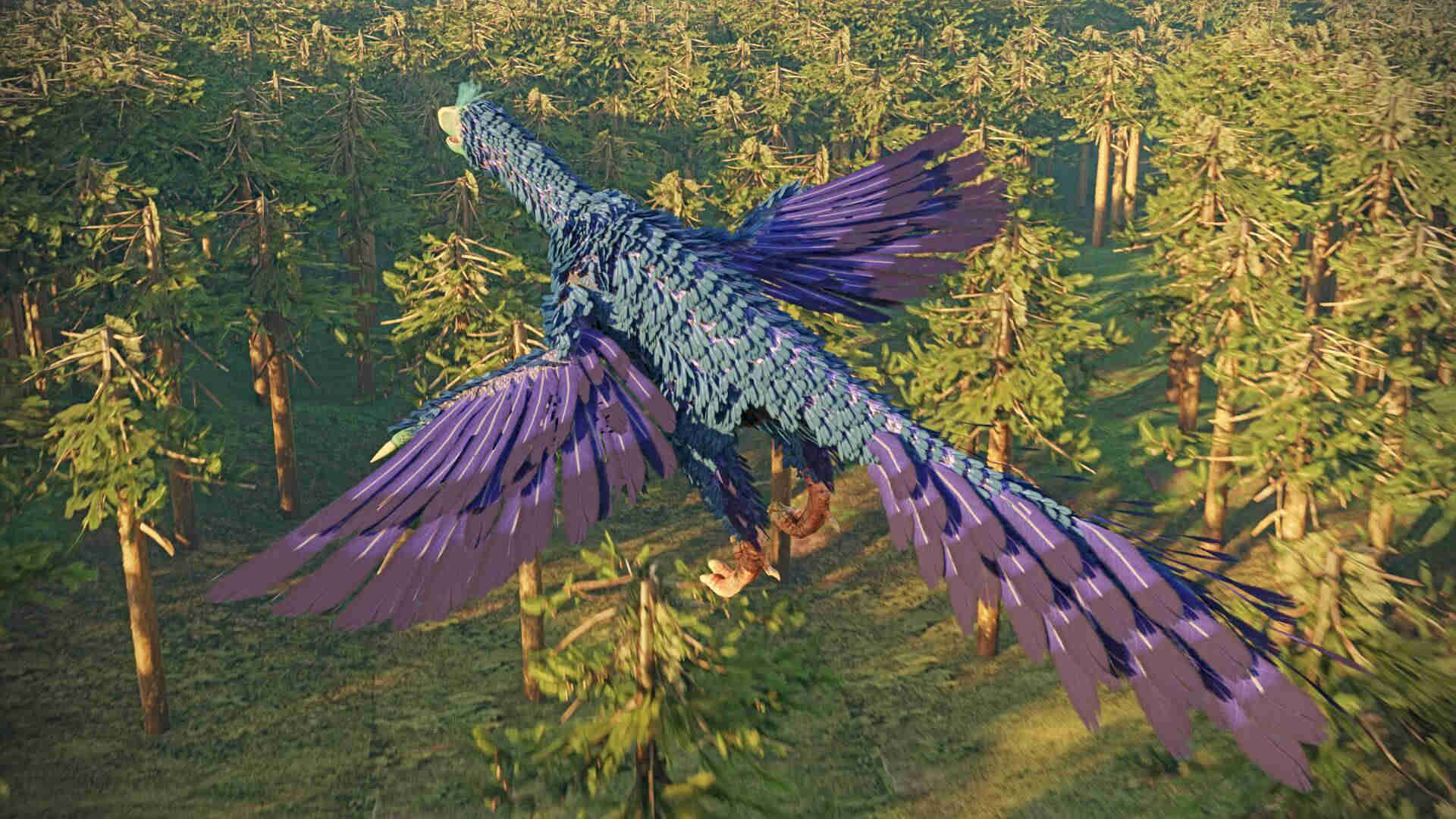
Cratoavis cearensis was a small feathered dinosaur that lived about 117 million years ago during the Early Cretaceous period. It is important as one of the early relatives of modern birds and helps clarify aspects of their evolution.
Fossil remains of Cratoavis cearensis were discovered in Brazil, within the Crato Formation, which is famous for its exceptional fossil preservation. Due to the depositional conditions, not only bones but also impressions of feathers, soft tissues, and areas of skin were preserved.
Cratoavis cearensis was a small bird approximately the size of a modern sparrow. Its body length was about 6–7 cm, and its mass was only a few grams. It belonged to the Enantiornithes, a widespread group of extinct birds that flourished during the Cretaceous period.
One of the most interesting anatomical features of Cratoavis cearensis was the structure of its wings. They were relatively long and probably allowed powered flight, although perhaps less efficiently than in modern birds. The tail was short and bore elongated feathers that may have been used in display behavior or in flight control. The skull was small, with large eye sockets indicating well-developed vision. The beak was short and pointed, probably adapted for catching small prey.
Cratoavis cearensis likely fed on small animals, including insects and possibly fish. At present, it is known from a single incomplete skeleton, but this discovery is highly important for paleontology because it helps refine our understanding of the anatomy and lifestyle of early birds.
Discussions
Start the first one!
 Start a discussion
Other animals





 INTERESTING FACTS
 PUZZLES
 HOME
HOME
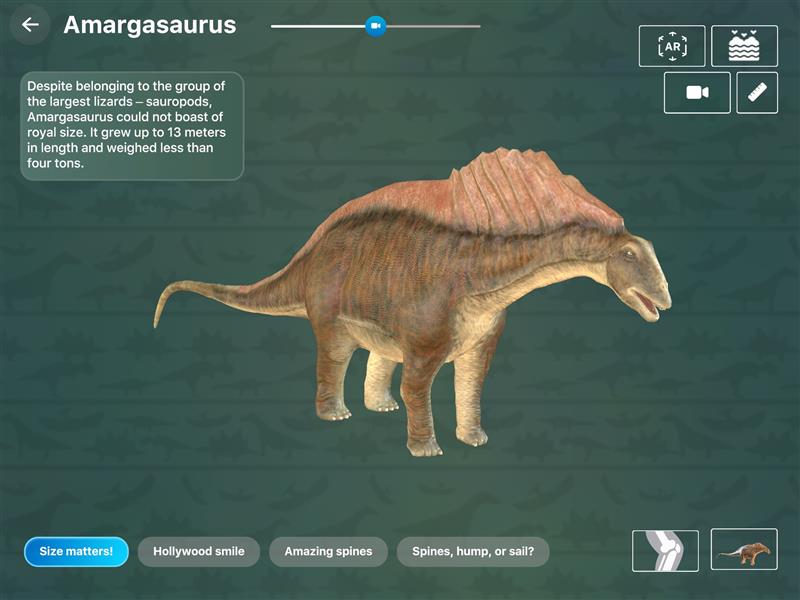
 3D MODEL "SKIN"
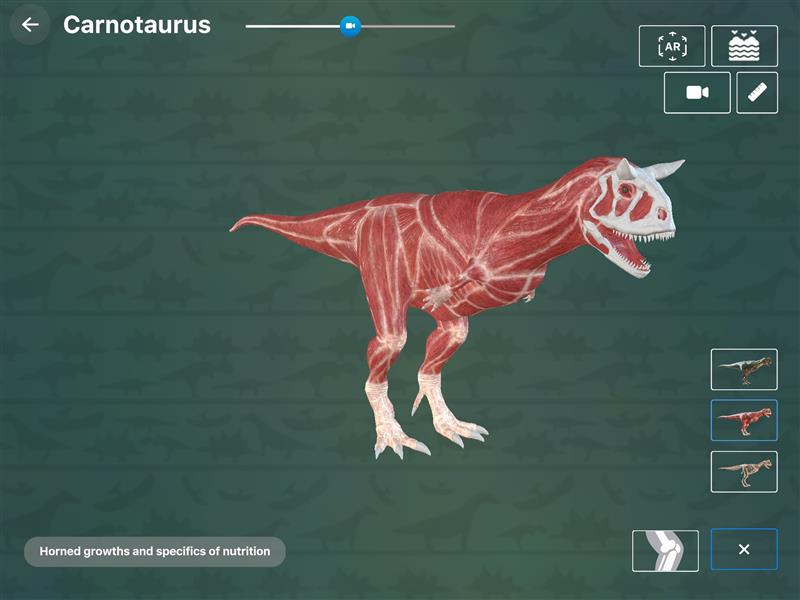
 3D MODEL "MUSCLES"
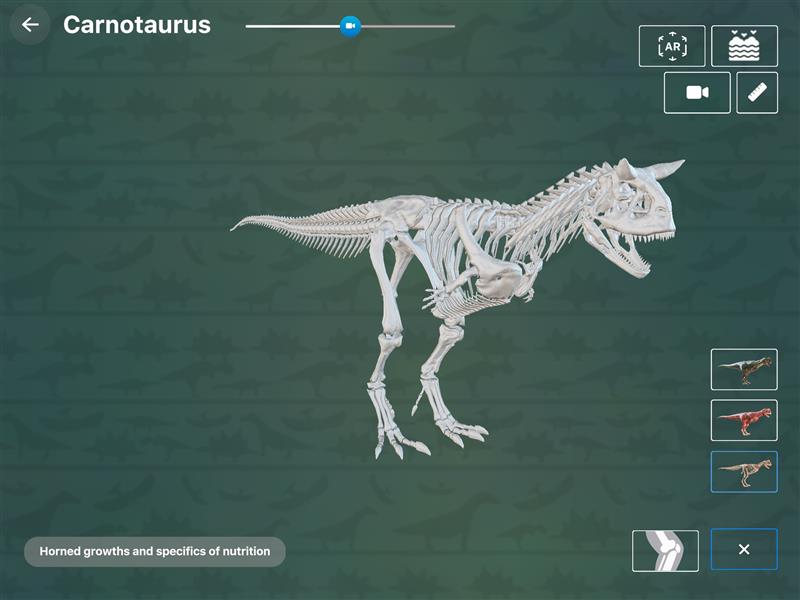
 3D MODEL "SKELETON"
 VISION
 NEIGHBORS
 VOICE ACTING
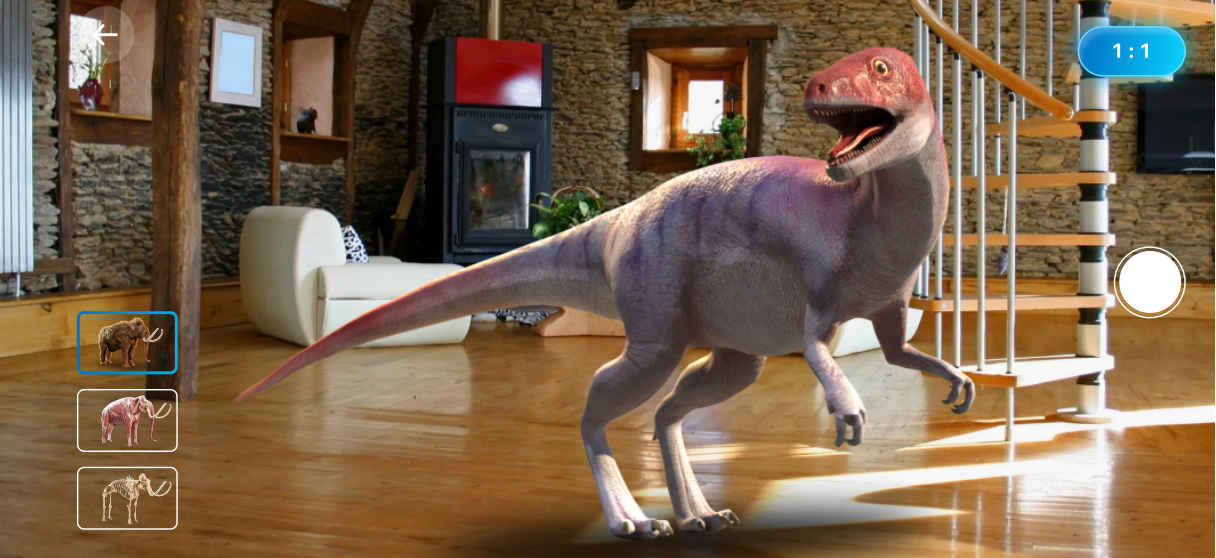
 AR - MODE
 GALLERY
 HISTORY OF DISCOVERIES

