


Utahraptor

Name meaning:
Predator from Utah
Period of life:
136-134 mya
Period:
Cretaceous period
Habitat:
Woodlands
Taxonomy:
Theropods
Countries:




 Anhanguera


Opisthocoelicaudia


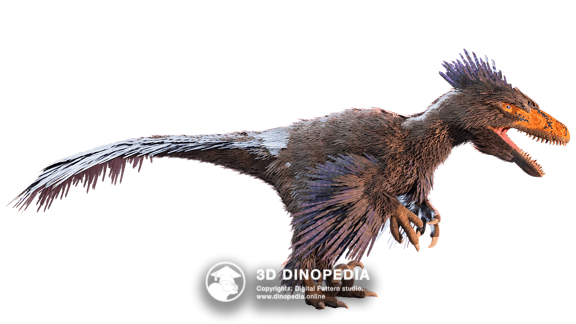
Utahraptor is the largest representative of the dromaeosaurid family. This predator, reaching up to seven meters in length and weighing about half a tonne, was the largest member of the dromaeosaurids—the very «feathered predators» to which the famous Velociraptor also belongs. In comparison with it, its relatives appeared almost diminutive.
Utahraptor combined power and agility. Its body was distinguished by well-developed musculature, and its armament—sharp teeth and long, curved claws—made it a deadly opponent. It moved on two legs, each bearing four digits, three of which were functional. The second digit, as in all dromaeosaurs, did not touch the ground—on it was located a curved, sickle-shaped claw up to 30 centimeters long, with which Utahraptor delivered fatal blows to its prey.
The Latin name Utahraptor literally means «hunter from Utah». It was in this American state that its first remains were discovered in 1975. It lived during the Early Cretaceous, approximately 136–134 million years ago, when humid plains and coniferous forests extended across what is now the southwestern United States.
Scientists suggest that Utahraptor may have been covered with feathers—like its smaller relatives, such as Deinonychus or Velociraptor. However, no direct evidence of feathers has yet been found, so this question remains open.
It is also not fully clear how it hunted. Perhaps Utahraptor acted alone, relying on strength and surprise, or perhaps it coordinated its actions in small groups, similar to wolves. Fossil remains of several individuals found together allow for both interpretations.
In any case, Utahraptor remains a symbol of one of the most formidable predators of its time—powerful, intelligent, and swift. It stood at the top of the food chain, dominating the ancient landscapes of the Early Cretaceous.
Discussions
Start the first one!
 Start a discussion
Other animals



 INTERESTING FACTS
 PUZZLES
 HOME
HOME
 3D MODEL "SKIN"
 3D MODEL "MUSCLES"
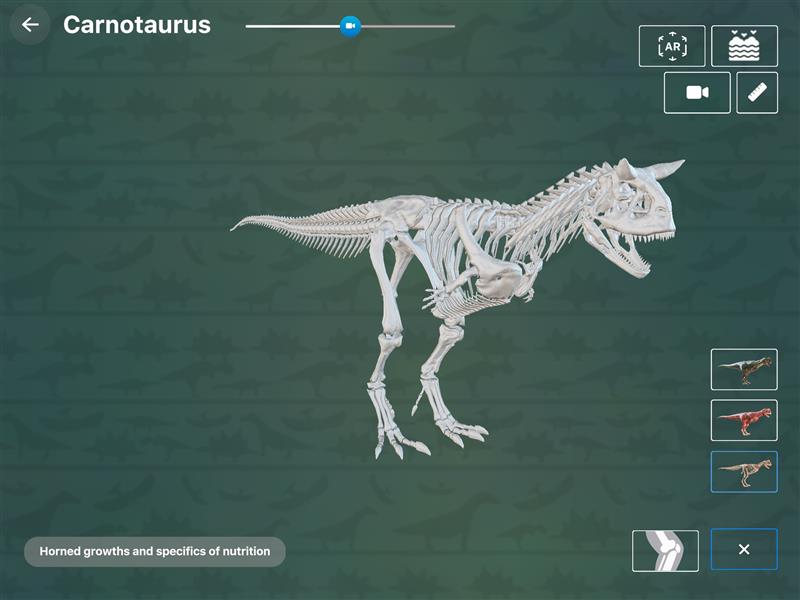
 3D MODEL "SKELETON"
 VISION
 NEIGHBORS
 VOICE ACTING
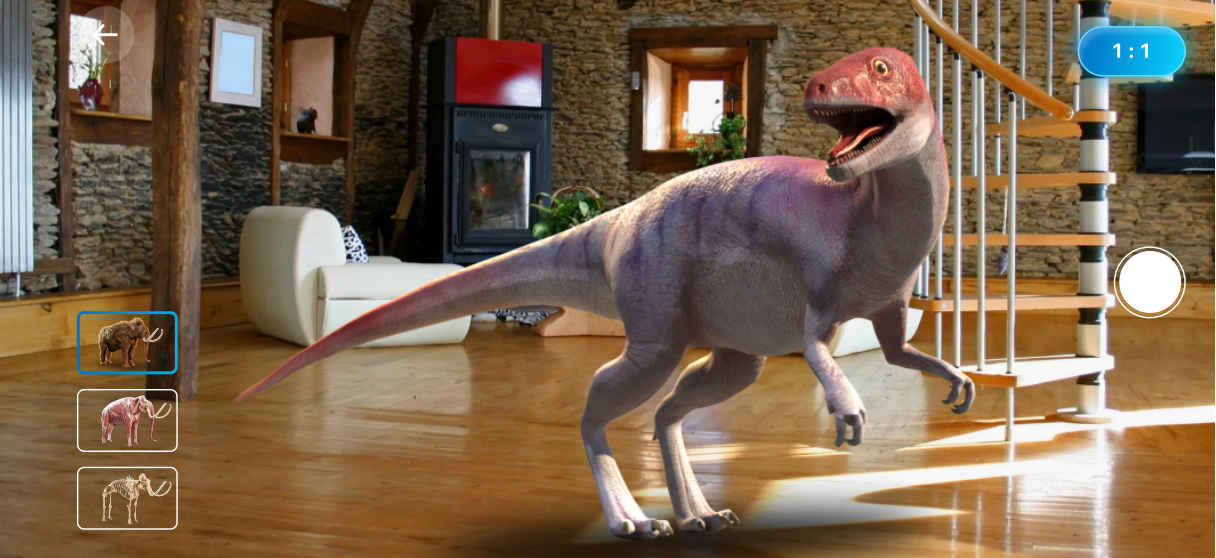
 AR - MODE
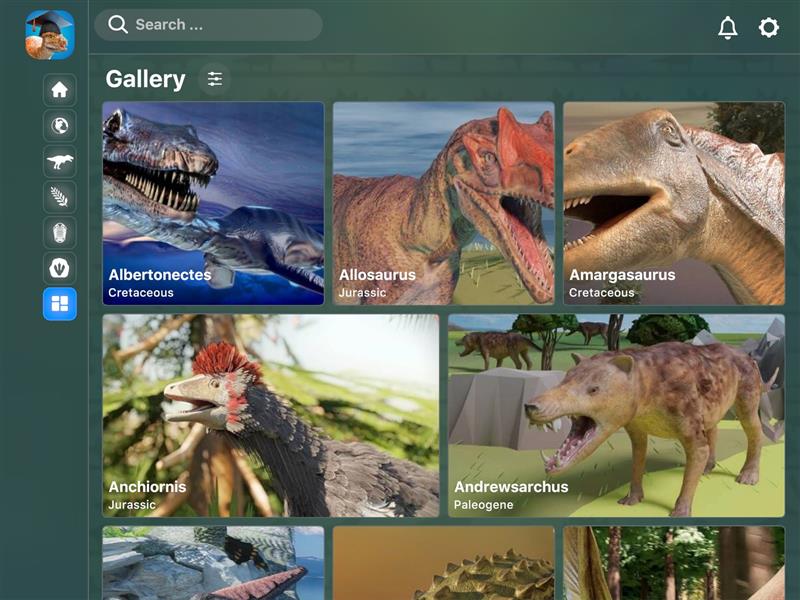
 GALLERY
 HISTORY OF DISCOVERIES

