


Titanoboa

Name meaning:
Titanic boa
Period of life:
60–58 mya
Period:
Paleogene period
Habitat:
Freshwater environment
Taxonomy:
Lizards and snakes
Countries:




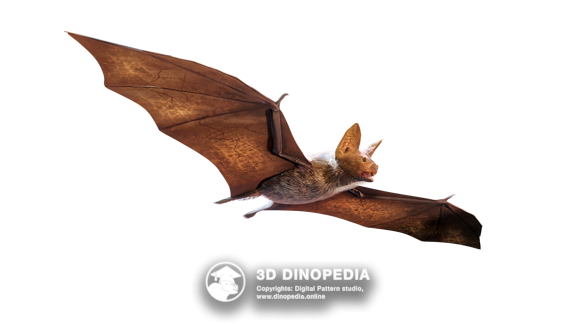 Icaronycteris


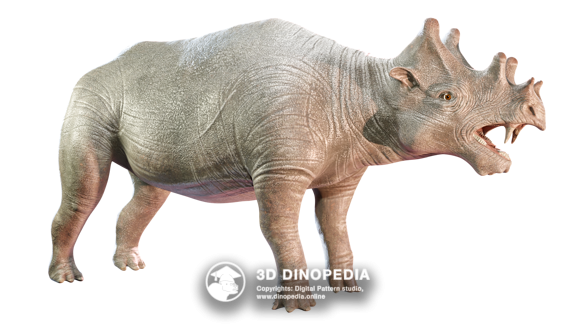
Uintatherium


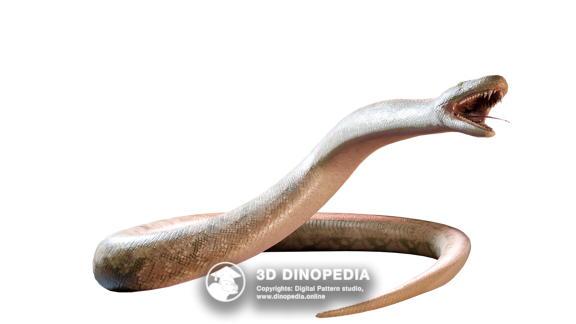
Titanoboa was one of the largest terrestrial vertebrates ever to inhabit the Earth. This gigantic snake lived approximately 60 million years ago, during the Paleocene epoch, in what is now Colombia—only a few million years after the extinction of the dinosaurs. Its fossilized remains were first discovered in the Cerrejón coal mine in northern Colombia, a site that was once covered by dense tropical rainforests intersected by river systems.
In size, Titanoboa far exceeded all known modern snakes. Scientists estimate its length at approximately 13–14 meters and its mass at about one metric ton. This is roughly twice the size of the largest living snakes—anacondas and reticulated pythons. The diameter of its body at its widest point may have been comparable to that of a car tire, enabling this snake to subdue very large prey.
Based on the structure of its skull, paleontologists have concluded that fish constituted the primary component of Titanoboa’s diet. This discovery revised earlier assumptions about the behavior of ancient giant snakes: it had been thought that such massive reptiles hunted exclusively terrestrial animals. However, Titanoboa likely spent much of its time in water—similar to modern anacondas—ambushing prey along riverbanks.
The habitat of Titanoboa was characterized by an exceptionally warm and humid climate. The average air temperature in the region reached approximately 30 °C, and dense tropical forests extended along ancient river systems. Such high temperatures enabled this ectothermic reptile to attain colossal size, as warmer conditions support increased metabolic activity and growth in cold-blooded animals.
Today, Titanoboa represents not only an important paleontological discovery but also a symbol of the early Cenozoic—a period of ecological recovery following mass extinction. It demonstrates how rapidly nature filled newly vacant ecological niches, producing large and highly specialized predators under new environmental conditions.
Discussions
Start the first one!
 Start a discussion
Other animals







 INTERESTING FACTS
 PUZZLES
 HOME
HOME
 3D MODEL "SKIN"
 3D MODEL "MUSCLES"
 3D MODEL "SKELETON"
 VISION
 NEIGHBORS
 VOICE ACTING
 AR - MODE
 GALLERY
 HISTORY OF DISCOVERIES

