


Phenacodus

Name meaning:
Seceptive tooth
Period of life:
55 million years ago
Period:
Paleogene period
Habitat:
Woodlands
Taxonomy:
Mammals
Countries:





 Megalampris


Megalodon


What does the name mean: Phenacodus derives from the Ancient Greek words phenax (“deceiver,” “deceptive”) and odous (“tooth”). The literal translation is “deceptive tooth.”
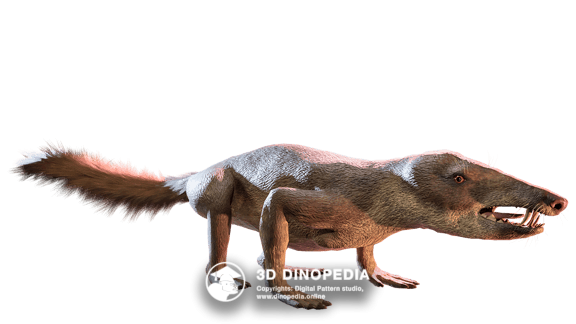
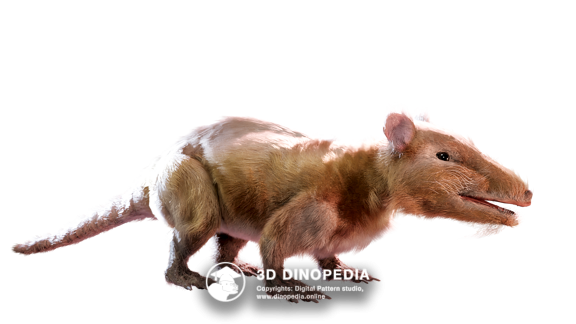
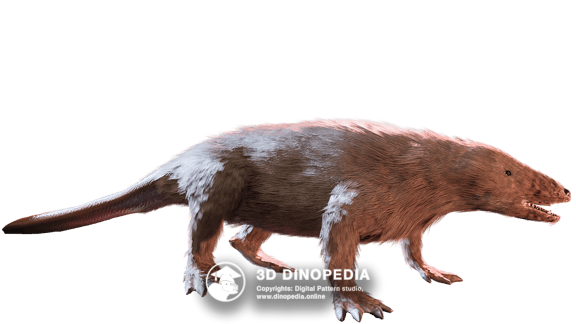
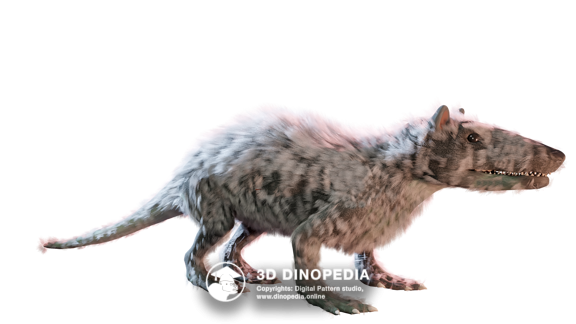
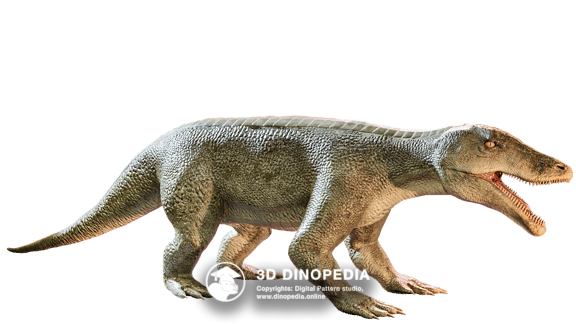
Phenacodus was an extinct mammal known from fossil discoveries in North America and Europe. It lived about 55 million years ago during the Eocene — a period of warm climate and active mammalian diversification. Phenacodus belongs to the early representatives of the lineage leading to ungulates, and its anatomy reflects a transitional stage in their evolution.
Phenacodus was a medium-sized animal: body length reached about 1.5 m, and mass up to 80 kg. In size, it was comparable to a sheep. Its body was slender and flexible, with a long tail that helped maintain balance during movement, and relatively short but robust limbs.
The limb structure of Phenacodus is of key importance for understanding its evolutionary position. Each foot retained five digits — a feature linking it to the early ancestors of ungulates. At the same time, specialization had already begun to appear: the middle digit was larger than the others and probably bore the main load during locomotion. The remaining digits remained functional and helped movement across uneven ground. Primitive hooves are thought to have been developing at their tips.
The skull of Phenacodus was elongated and low, with a relatively small braincase. Its teeth possessed a cusped surface characteristic of animals with a varied diet. Phenacodus probably fed mainly on leaves, shoots, and fruits, but may also have consumed other available food sources.
Discussions
Start the first one!
 Start a discussion
Other animals







 INTERESTING FACTS
 PUZZLES
 HOME
HOME
 3D MODEL "SKIN"
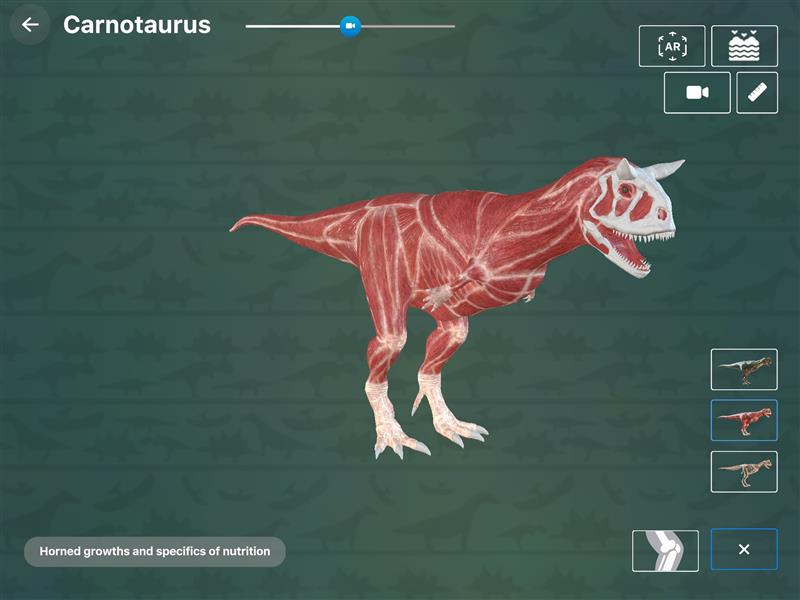
 3D MODEL "MUSCLES"
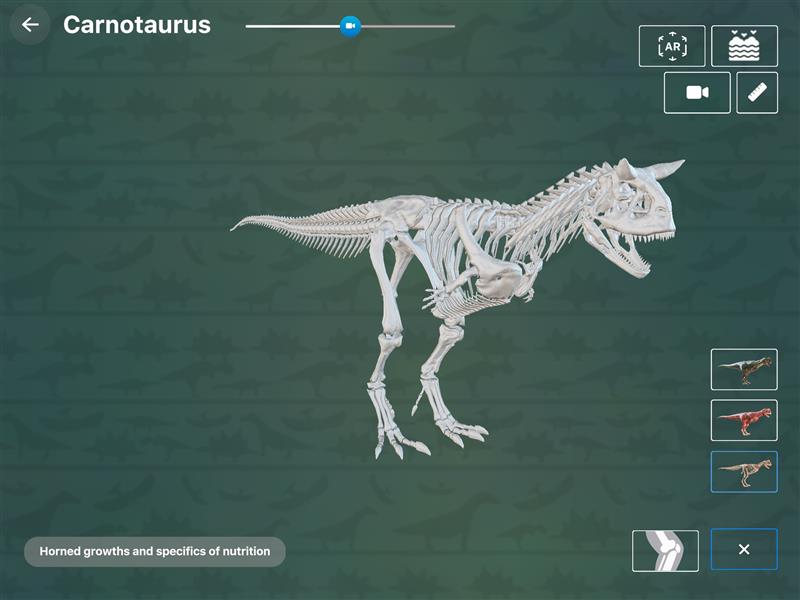
 3D MODEL "SKELETON"
 VISION
 NEIGHBORS
 VOICE ACTING
 AR - MODE
 GALLERY
 HISTORY OF DISCOVERIES

