


Stenopterygius

Name meaning:
Narrow-finned one
Period of life:
183–179 mya
Period:
Jurassic period
Habitat:
Marine environment
Taxonomy:
Marine reptiles
Countries:






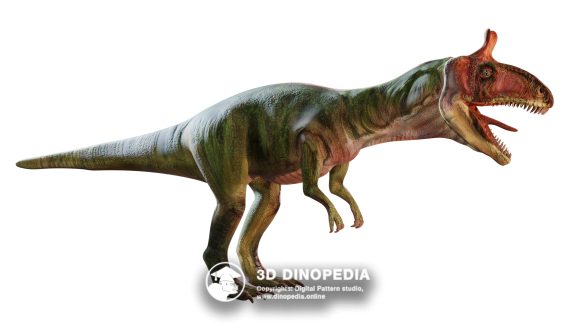 Cryolophosaurus


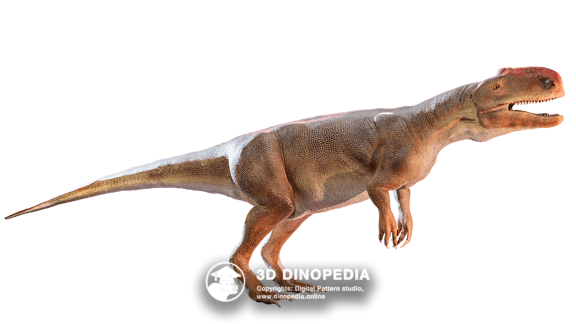
Monolophosaurus


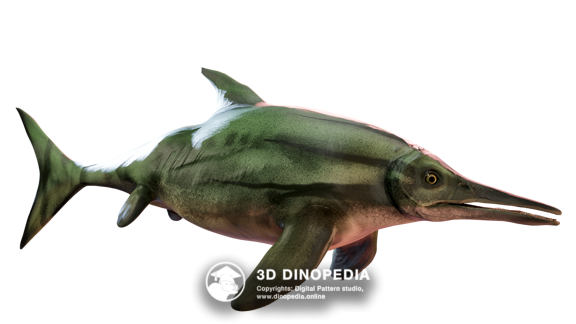
Stenopterygius was a relatively small ichthyosaur about four meters long, inhabiting the seas and oceans of Europe approximately 183–179 million years ago. Its primary diet consisted of fish and mollusks, which it pursued skillfully through the water column.
In appearance, Stenopterygius resembled modern sharks or dolphins, with a streamlined body, a powerful tail fin, and elongated jaws lined with sharp teeth. Its limbs had evolved into flippers, perfectly adapted for marine life. It possessed a well-developed tail fin and likely a triangular dorsal fin, although the latter remains debated. In 1987, the paleontologist David Martill proposed that an apparent dorsal imprint on one early specimen was not evidence of a fin, but rather an area of skin torn from the body.
In addition to the foreflippers, Stenopterygius retained small hind limbs. Scientists suggest that these may have aided maneuverability in the water, similar to the function of reduced rear appendages in some modern marine animals.
One of the most remarkable features of Stenopterygius was viviparity. Females did not lay eggs—young were born live directly in the water. They were delivered tail-first to prevent drowning, exactly as in modern whales and dolphins. This demonstrates how far evolution had advanced these ancient marine reptiles in their adaptation to life in the open ocean.
Discussions
 Start a discussion
Other animals




 INTERESTING FACTS
 PUZZLES
 HOME
HOME
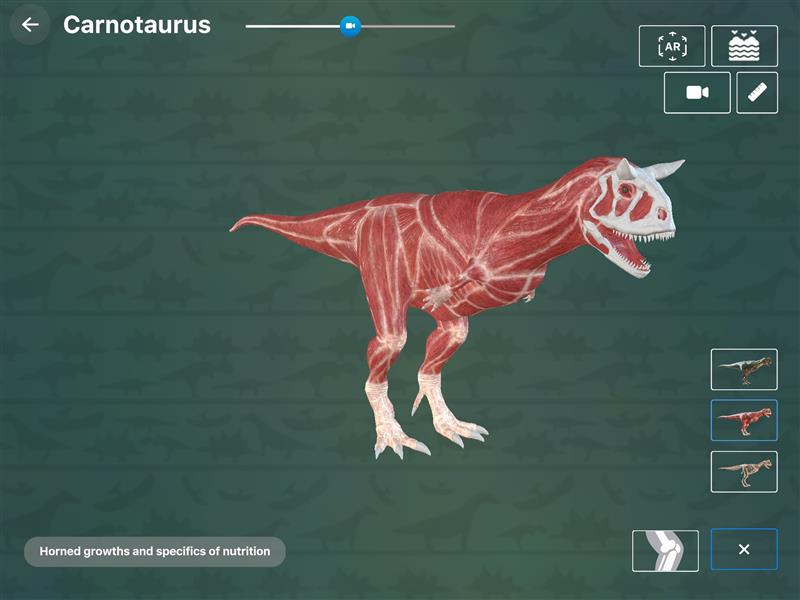
 3D MODEL "SKIN"
 3D MODEL "MUSCLES"
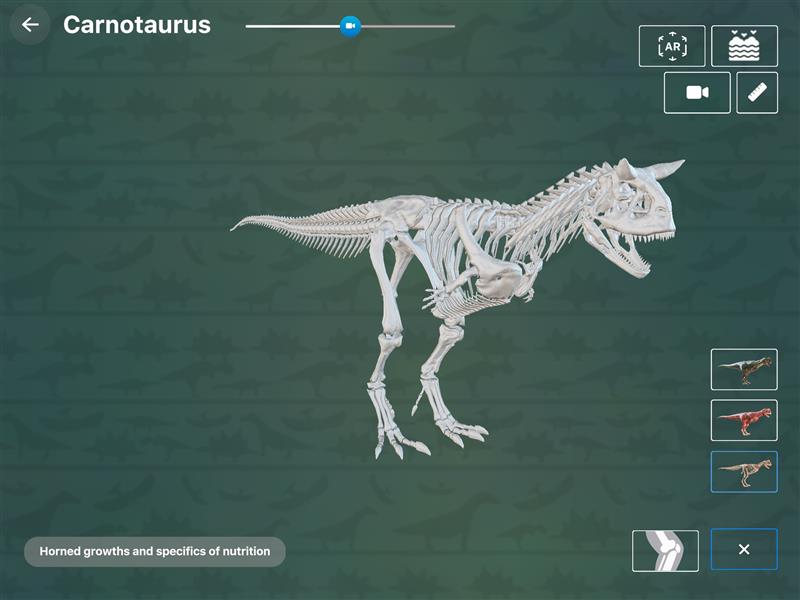
 3D MODEL "SKELETON"
 VISION
 NEIGHBORS
 VOICE ACTING
 AR - MODE
 GALLERY
 HISTORY OF DISCOVERIES

