


Masiakasaurus
Name meaning:
Vicious lizard
Period of life:
72.1–66 million years ago
Period:
Cretaceous period
Habitat:
Floodplains
Taxonomy:
Theropods
Countries:



 Bajadasaurus


Andrewsarchus


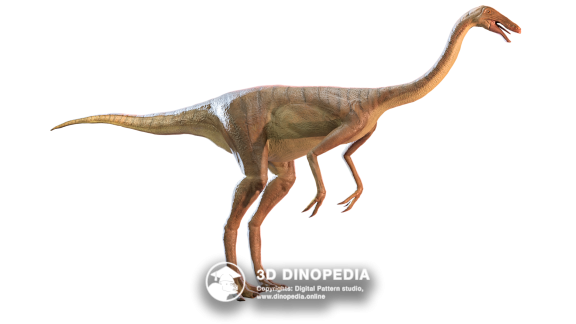
What does the name mean: The name Masiakasaurus means “vicious lizard” and comes from the Malagasy word masiaka — “vicious” or “evil,” and the Greek word sauros — “lizard.”
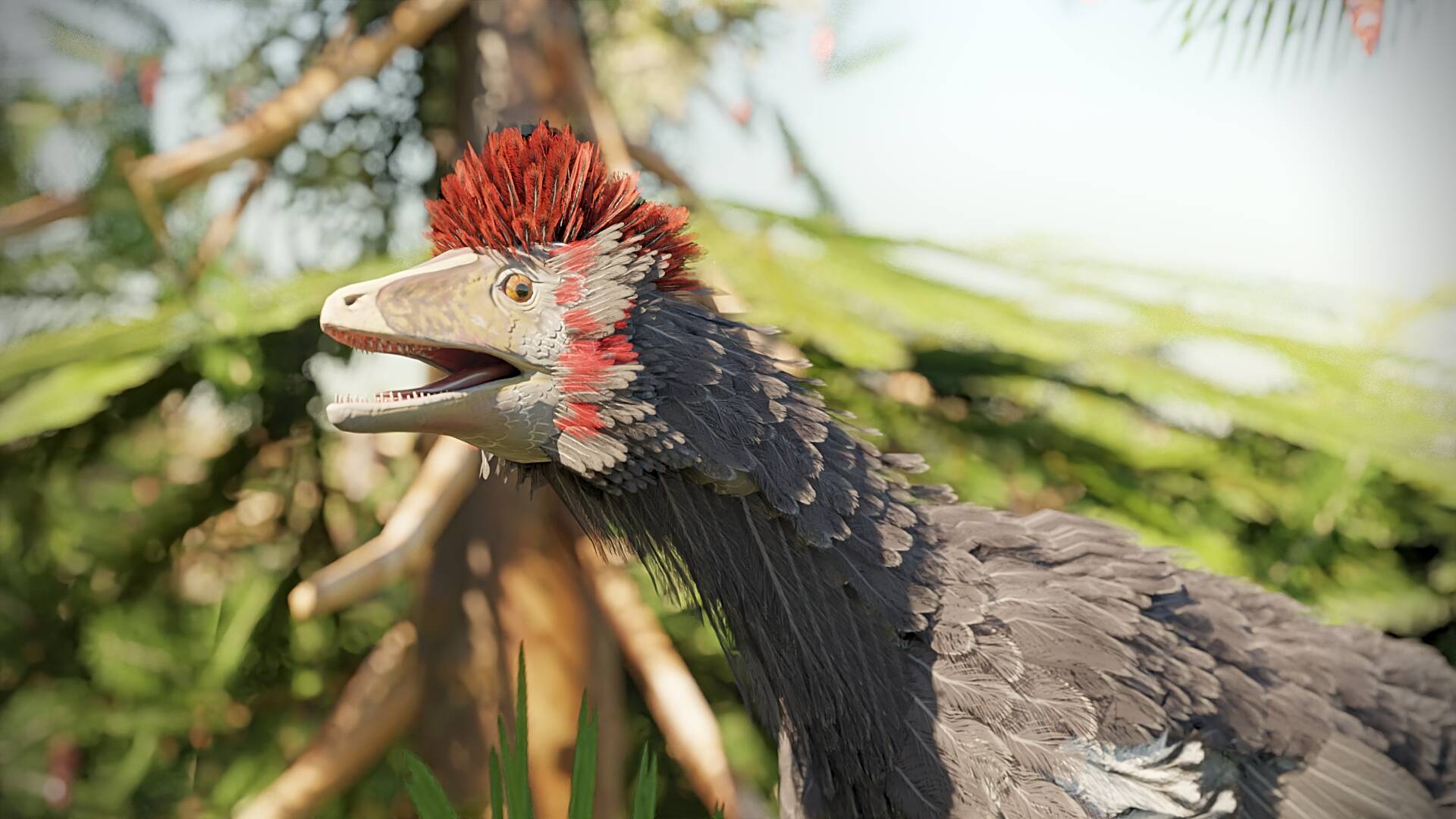
Masiakasaurus was a small theropod dinosaur that lived in what is now Madagascar during the Late Cretaceous, approximately 72–66 million years ago. It belonged to the theropods — a group of bipedal predatory dinosaurs. According to current data, Masiakasaurus was a member of the family Noasauridae and was related to abelisaurids such as Majungasaurus. However, it differed noticeably from most of its relatives in the structure of its jaws and teeth.
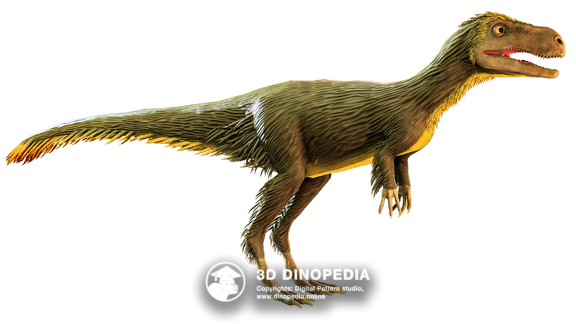
Masiakasaurus was a relatively small dinosaur, comparable in size to a large dog, and moved on two hind limbs. The forelimbs were much shorter than the hind limbs, a typical feature of theropods. The skull was elongated and low, unlike the taller skulls of many other theropods, including abelisaurids. Its most unusual feature was its teeth: the front teeth of the lower jaw projected forward and slightly downward, extending outward from the mouth. These teeth were conical, slightly curved, and equipped with fine serrations. The rear teeth had a more typical theropod shape — laterally compressed and serrated.
This jaw and tooth structure suggests a specialized feeding strategy for Masiakasaurus. It is thought to have fed on small fish, insects, lizards, and other small animals. The exact function of its unusual teeth remains uncertain. The skeleton was lightly built: the bones were thin and contained air cavities, reducing body mass and aiding rapid movement.
Analysis of bone microstructure has provided information about the age and growth rate of Masiakasaurus. Growth lines indicate that it was a small adult dinosaur rather than a juvenile of a larger species. It grew gradually, with growth slowing as it matured; it likely reached the size of a large dog after approximately 8–10 years.
In the ecosystems of Late Cretaceous Madagascar, Masiakasaurus occupied the niche of a small predator. It coexisted with larger theropods such as Majungasaurus, which may have posed a threat to it.
The study of Masiakasaurus is important for understanding theropod diversity and adaptations to different ecological niches. Its unusual jaws and teeth provide an example of evolutionary specialization and demonstrate how dinosaurs could adapt to different types of food.
Discussions
Start the first one!
 Start a discussion
Other animals




 INTERESTING FACTS
 PUZZLES
 HOME
HOME
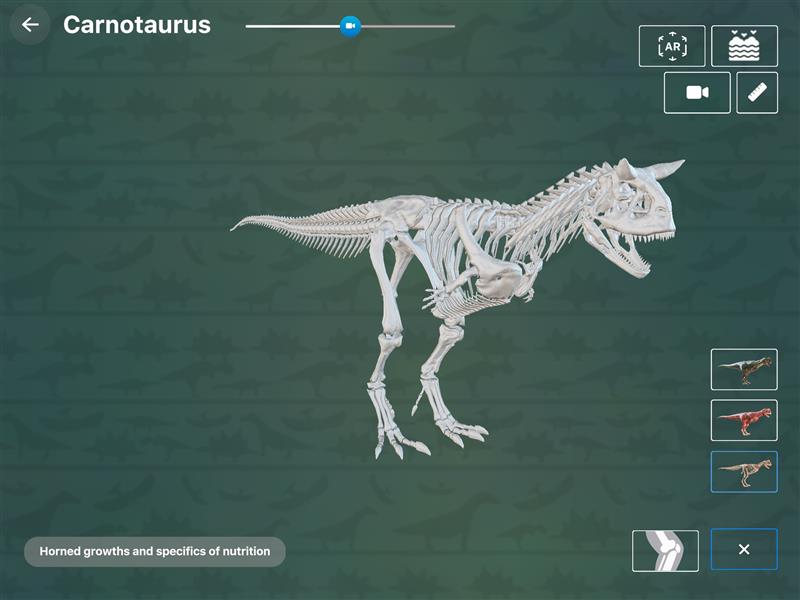
 3D MODEL "SKIN"
 3D MODEL "MUSCLES"
 3D MODEL "SKELETON"
 VISION
 NEIGHBORS
 VOICE ACTING
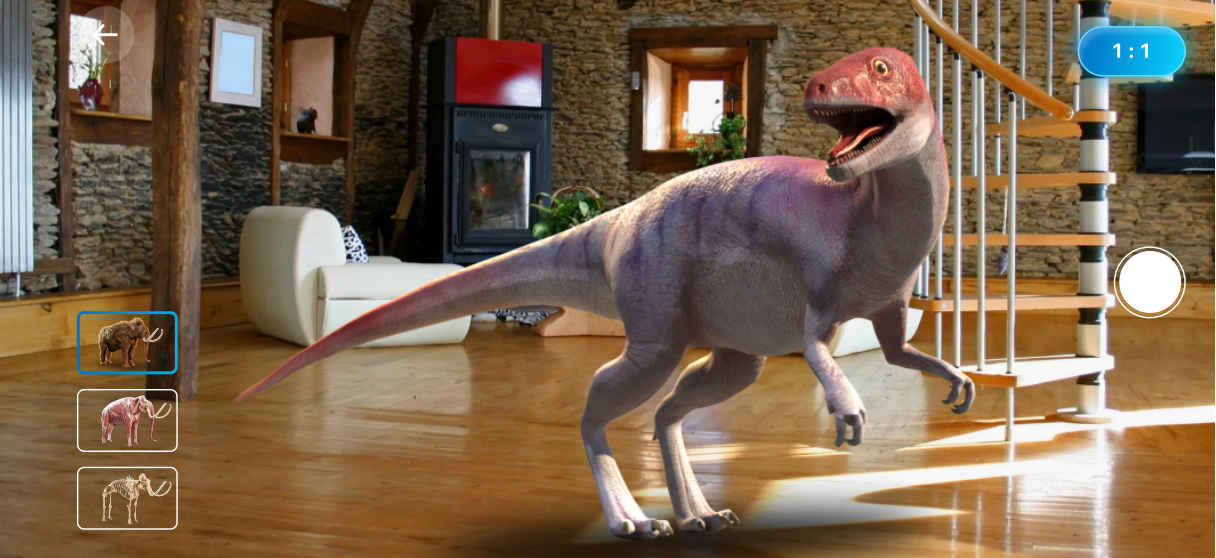
 AR - MODE
 GALLERY
 HISTORY OF DISCOVERIES

