


Mamenchisaurus

Name meaning:
Lizard from Mamenxi
Period of life:
161–114 million years ago
Period:
Cretaceous period
Habitat:
Savannas and plains
Taxonomy:
Sauropodomorphs
Countries:





 Hybodus


Iguanodon


What does the name mean: “lizard from Mamenxi”
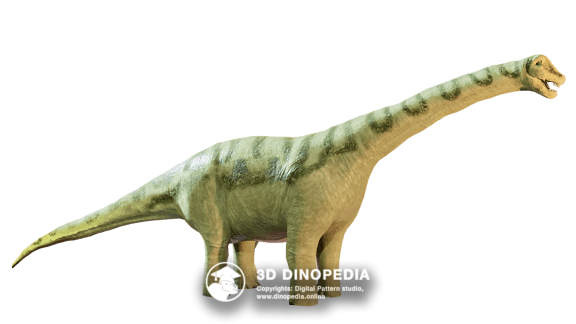
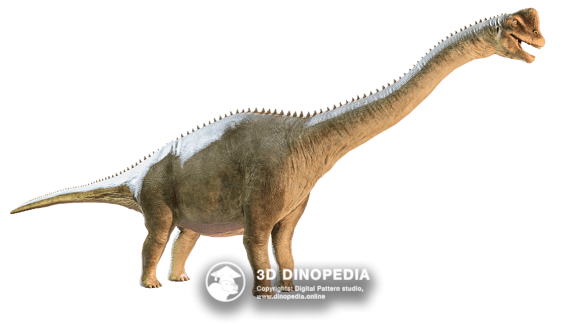
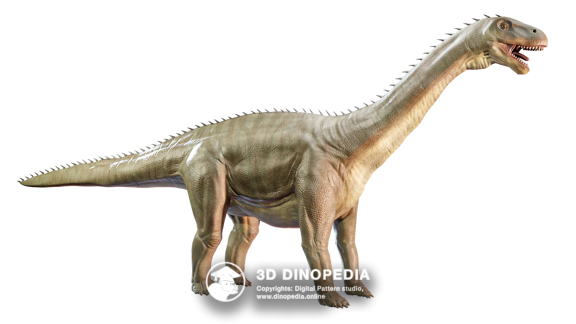
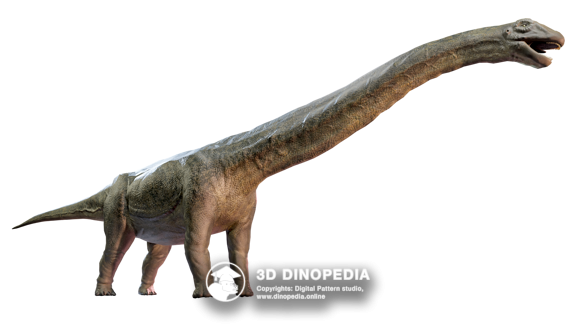
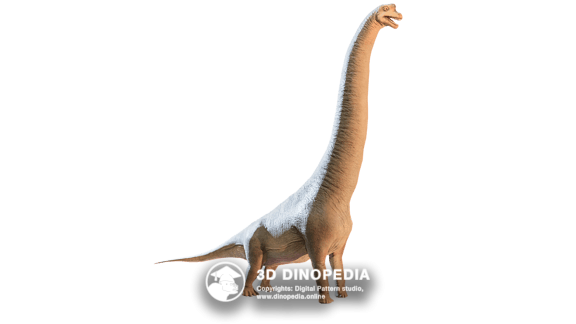
Imagine an enormous dinosaur, as long as a bus, with an almost endlessly long neck. This is Mamenchisaurus, one of the most remarkable sauropods that inhabited our planet during the Late Jurassic and Early Cretaceous, approximately 160–115 million years ago.
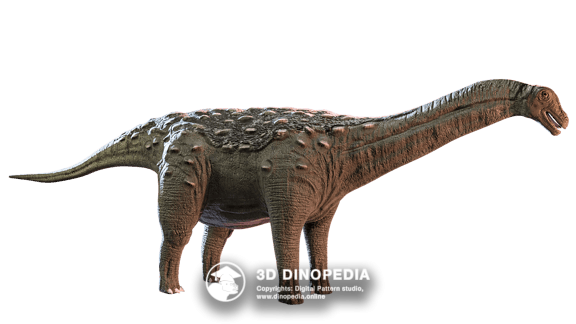
Mamenchisaurus were true giants: even the smallest representatives reached about 15 meters in length, while the largest individuals grew up to 26 meters long. Approximately 15 meters of this length belonged to the neck alone — greater than the height of a four-story building. This impressive neck consisted of 18–19 highly elongated vertebrae.
However, despite its length, the neck of Mamenchisaurus was relatively inflexible. The dinosaur could raise it upward to reach tree leaves or lower it toward the ground while feeding on low-growing vegetation, but it could hardly bend it sideways.
Scientists believe that such a long neck allowed Mamenchisaurus to obtain food across a large area without expending energy on constant movement. This giant weighed several tons, and every step required considerable effort. In addition, it could reach foliage inaccessible to other herbivorous dinosaurs. However, some researchers suggest that such unusual neck length may have resulted from sexual selection: perhaps females preferred males with longer necks, which over time led to the development of these proportions.
In addition to the long neck, Mamenchisaurus possessed a massive body, powerful column-like legs, and a long tail that helped maintain balance. Like all sauropods, Mamenchisaurus had a small head that sharply contrasted with its enormous body.
These creatures inhabited the territory of modern-day China. They were herbivorous and fed mainly on tree leaves and ferns.
Adult Mamenchisaurus had virtually no natural enemies. Only the largest predatory dinosaurs of that time could pose a threat to them. The discovery of this dinosaur became an important event for paleontology: the study of its remains allowed scientists to better understand sauropod anatomy, evolution, and lifestyle.
Discussions
Start the first one!
 Start a discussion
Other animals




 INTERESTING FACTS
 PUZZLES
 HOME
HOME
 3D MODEL "SKIN"
 3D MODEL "MUSCLES"
 3D MODEL "SKELETON"
 VISION
 NEIGHBORS
 VOICE ACTING
 AR - MODE
 GALLERY
 HISTORY OF DISCOVERIES

