


Heracles

Name meaning:
named after the hero Heracles
Period of life:
19–16 million years ago
Period:
Neogene period
Habitat:
Rainforests
Taxonomy:
Birds
Countries:



 Gomphotherium


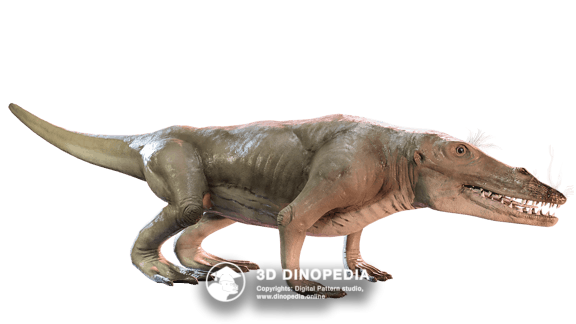
Odobenocetops


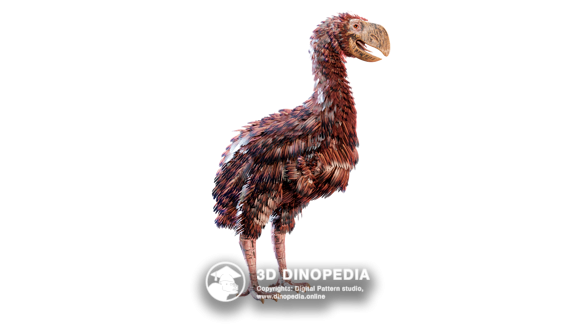
What does the name mean: named after Heracles, the hero of ancient Greek mythology symbolizing strength; the name reflects the large size of the bird Heracles inexpectatus.
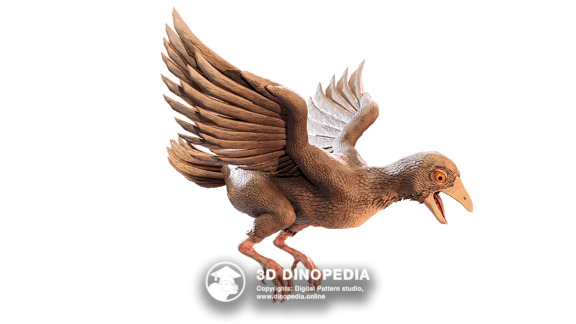
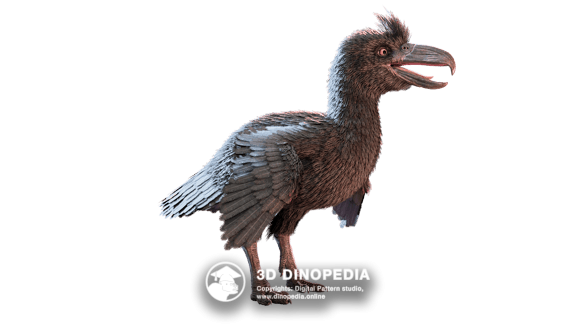
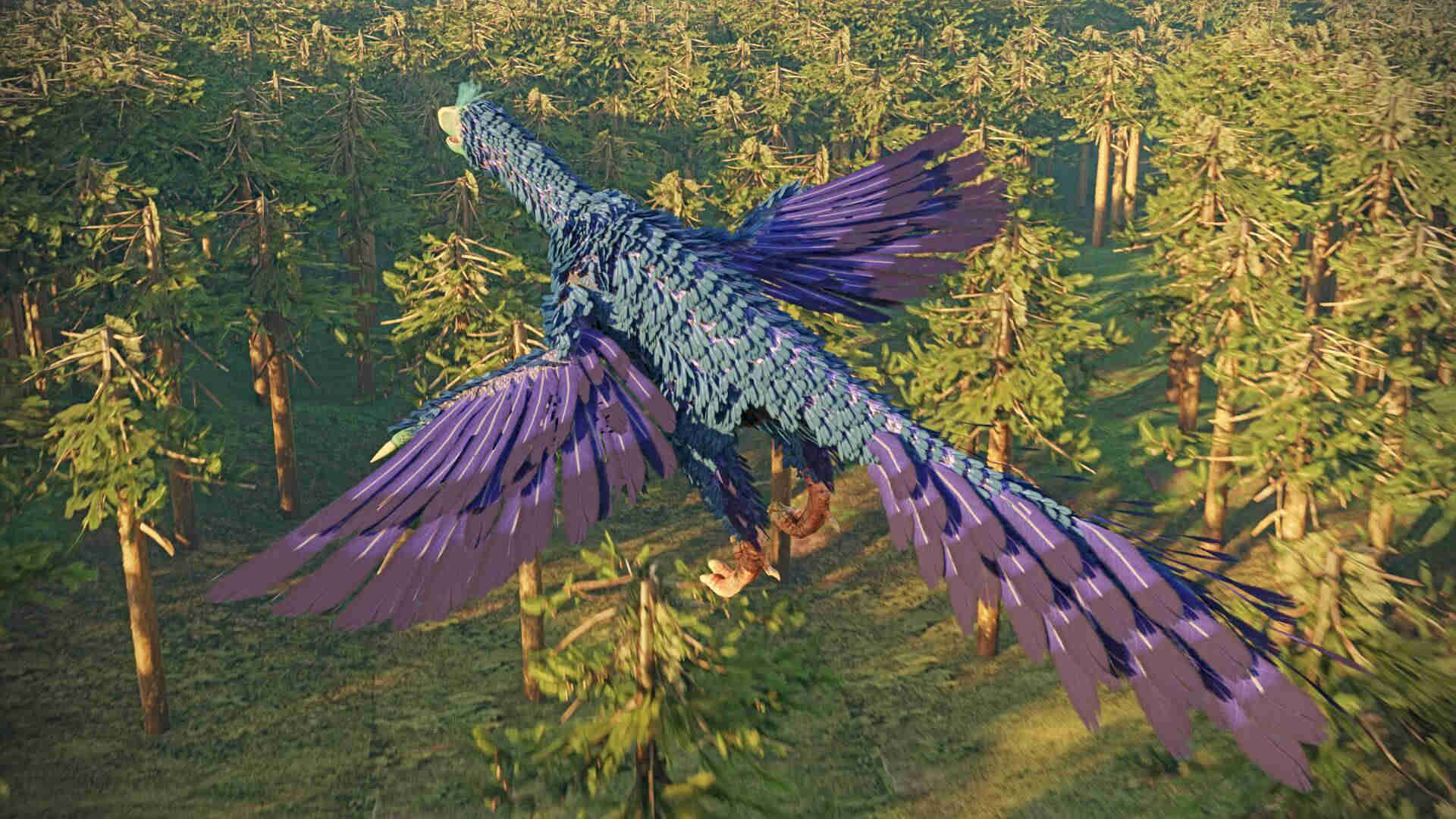
During the early Miocene, approximately 19–16 million years ago, a large parrot, Heracles inexpectatus (Heracles), inhabited what is now New Zealand. This bird reached about 1 m in height and weighed approximately 7 kg, making it one of the largest known parrots.
In size, Heracles greatly exceeded modern parrots, including the kakapo. It was probably flightless and moved primarily on the ground using powerful hind limbs. Little is known about its external appearance: fossil remains are limited mainly to fragments of the skeleton, especially leg bones. Their structure suggests the presence of a large and powerful beak capable of cracking hard fruits and seeds and possibly used in intraspecific interactions.
Heracles was probably predominantly herbivorous. The basis of its diet likely consisted of fruits of subtropical plants. At the same time, omnivory is considered possible: by analogy with modern parrots, it may also have consumed animal food, including small vertebrates or the eggs of other birds.
The fauna of early Miocene New Zealand differed significantly from the modern fauna. At that time, giant moa had not yet reached their later enormous sizes. Ground-dwelling and semi-aquatic crocodylomorphs inhabiting the islands may have posed a threat to Heracles.
Climate change is considered the most probable cause of the extinction of Heracles. Around 14 million years ago, global cooling led to major changes in vegetation. The reduction of subtropical forests may have limited access to food resources, negatively affecting large specialized species.
The study of Heracles inexpectatus and the fauna of the St Bathans locality helps reconstruct the ecosystems of early Miocene New Zealand and improves understanding of their biodiversity.
Discussions
Start the first one!
 Start a discussion
Other animals





 INTERESTING FACTS
 PUZZLES
 HOME
HOME
 3D MODEL "SKIN"
 3D MODEL "MUSCLES"
 3D MODEL "SKELETON"
 VISION
 NEIGHBORS
 VOICE ACTING
 AR - MODE
 GALLERY
 HISTORY OF DISCOVERIES

