


Halszkaraptor


Name meaning:
Halszka’s thief
Period of life:
75-71 million years ago
Period:
Cretaceous period
Habitat:
Floodplains
Taxonomy:
Theropods
Countries:



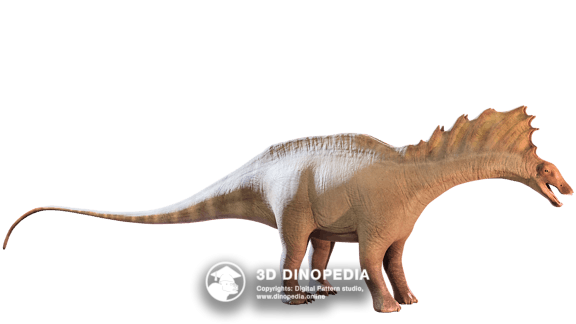 Bajadasaurus


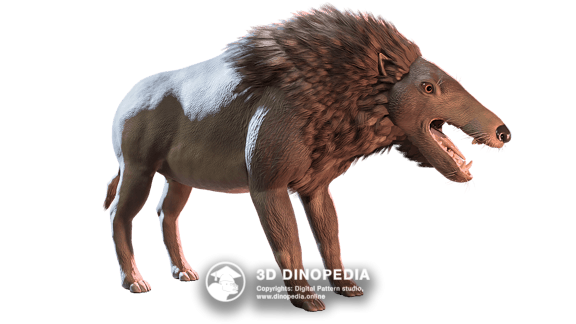
Andrewsarchus


What does the name mean: the name Halszkaraptor escuilliei means “Halszka’s thief” and was given in honor of the Polish paleontologist Halszka Osmólska.
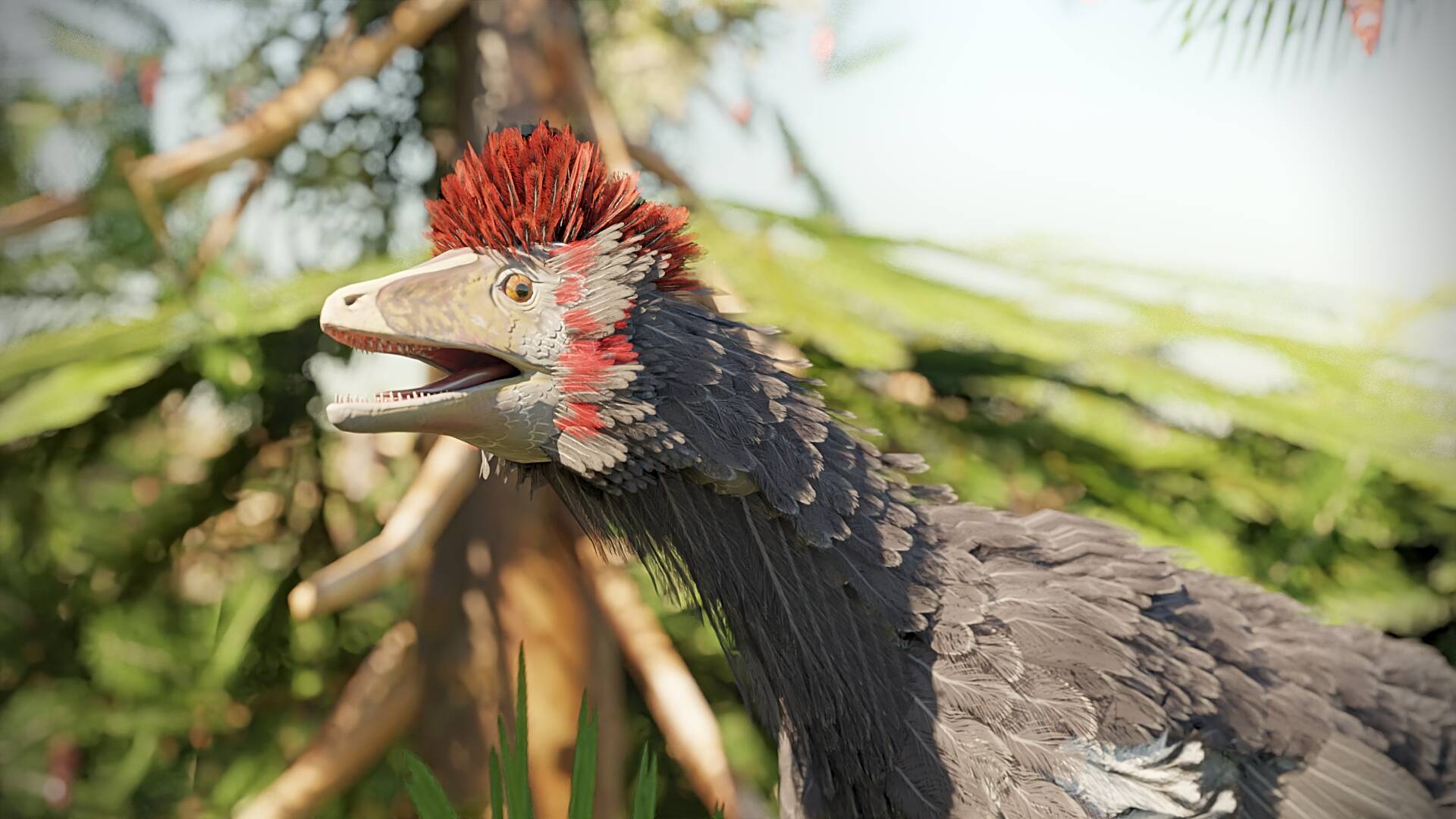
Halszkaraptor escuilliei was a small predatory dinosaur that lived in what is now Mongolia about 75 million years ago during the Late Cretaceous. It combined features of several ecological and morphological types, making it one of the most unusual theropods known.
Halszkaraptor escuilliei was characterized by a long flexible neck, comparatively short forelimbs, and numerous backward-curving teeth. This combination of features has no direct equivalent among other theropods.
The skull of Halszkaraptor escuilliei was small (about 7 cm long), elongated, and flattened, with a rounded snout. Its jaws contained more than 100 small backward-curving teeth, which may indicate feeding on small slippery prey such as fish. The neck was unusually long and formed a substantial part of the body length, probably playing an important role in prey capture.
The forelimbs of Halszkaraptor escuilliei were shortened; they may have participated in locomotion in water. The possible presence of webbing between the fingers remains hypothetical. The hind limbs were more developed and probably provided locomotion on land.
Halszkaraptor escuilliei demonstrates the diversity of theropod adaptations and expands our understanding of the ecological niches that dinosaurs were capable of occupying.
Discussions
Start the first one!
 Start a discussion
Other animals







 INTERESTING FACTS
 PUZZLES
 HOME
HOME
 3D MODEL "SKIN"
 3D MODEL "MUSCLES"
 3D MODEL "SKELETON"
 VISION
 NEIGHBORS
 VOICE ACTING
 AR - MODE
 GALLERY
 HISTORY OF DISCOVERIES

