


Dromornis

Name meaning:
Running bird
Period of life:
8 – 0,03 million years ago
Period:
Neogene period
Habitat:
Rainforests
Taxonomy:
Birds
Countries:



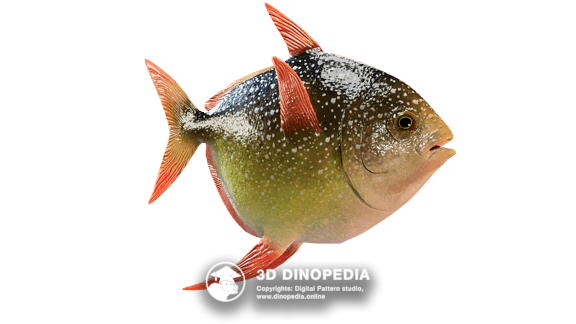 Megalampris


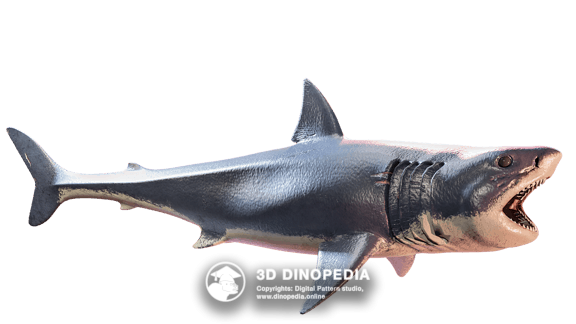
Megalodon


What does the name mean: The name Dromornis is derived from the Greek words dromos — “runner” and ornis — “bird,” and translates as “running bird”.
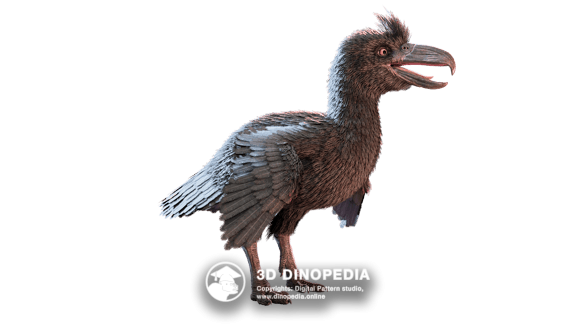
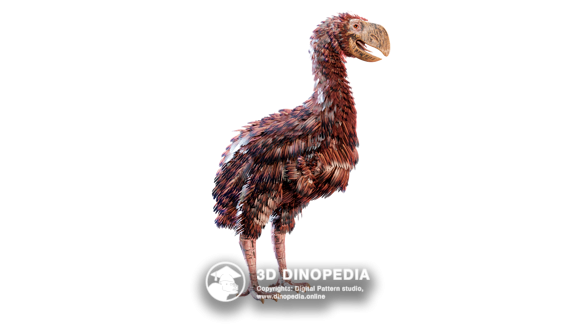
Dromornis was a genus of giant flightless birds that lived in Australia during the Neogene, mainly in the Miocene and Pliocene (approximately 24–0.03 million years ago). These birds, known as “thunder birds,” “devil ducks,” and mihirungs, were relatives of modern ducks and geese, although externally they resembled ostriches or emus.
Dromornithids were among the largest terrestrial birds in history. They reached a Height of about 3 m and possessed a massive body, powerful legs, and strongly reduced wings that had completely lost the ability for flight. The largest species, Dromornis stirtoni, weighed more than 500 kg, making it one of the heaviest known birds.
The head of Dromornis was relatively small in comparison with the body and bore a large, powerful beak, probably used for stripping leaves and fruits. Brain volume was comparatively small: in the early species Dromornis murrayi it was smaller than that of modern chickens. This may indicate relatively simple behavioral organization. Dromornithids lacked teeth; food was ground in the stomach with the aid of swallowed stones (gastroliths). They were primarily herbivorous, feeding on plant material, although occasional consumption of carrion or small animals cannot be ruled out.
Dromornis inhabited a variety of Australian environments, from forest ecosystems to savannas, and formed an important component of terrestrial communities. They became extinct by the end of the Pliocene (about 0.03 million years ago), probably as a result of climatic changes and ecological competition, including competition with large herbivores such as giant kangaroos.
Discussions
Start the first one!
 Start a discussion
Other animals






 INTERESTING FACTS
 PUZZLES
 HOME
HOME
 3D MODEL "SKIN"
 3D MODEL "MUSCLES"
 3D MODEL "SKELETON"
 VISION
 NEIGHBORS
 VOICE ACTING
 AR - MODE
 GALLERY
 HISTORY OF DISCOVERIES

