


Thylacoleo

Name meaning:
Marsupial lion
Period of life:
5 million - 40 thousand years ago
Period:
Neogene period
Habitat:
Rainforests
Taxonomy:
Mammals
Countries:



 Odobenocetops


Megatherium


What does the name mean: Thylacoleo — “marsupial lion”.
The marsupial lion (Thylacoleo) was an extinct genus of predatory marsupial mammals that inhabited Australia during the Pleistocene. Despite its name, it was not closely related to true lions and belonged to the order Diprotodontia — a group consisting primarily of herbivorous marsupials such as kangaroos, wombats, and koalas.
In size, Thylacoleo was comparable to a large leopard or a small lioness: body length reached about 1.5 m, and body mass exceeded 100 kg. The body was powerfully built, with especially well-developed forelimbs.
One of the key features of this animal was its extremely powerful jaws. According to biomechanical estimates, the relative bite force of Thylacoleo was among the highest known in mammals. Unlike most representatives of its order, it was hypercarnivorous: its diet consisted primarily of meat. Large blade-like incisors played a major role in inflicting deep wounds and processing prey.
The forelimbs were short but extremely powerful, equipped with large curved claws capable of retraction. This anatomy provided a secure grip on prey and probably allowed climbing ability. It is assumed that Thylacoleo could use elevated terrain or vegetation for concealment and may also have dragged prey into more protected locations.
Within the ecosystems of Pleistocene Australia, the marsupial lion occupied the role of apex predator. Its prey may have included both small animals and large herbivores, including giant kangaroos and diprotodontids. Based on body structure and limb morphology, it is generally interpreted as a predominantly ambush predator.
The genus Thylacoleo became extinct about 40 thousand years ago, during the disappearance of much of the Australian megafauna. The causes of extinction remain debated and probably involved a combination of climatic changes, human pressure, and ecosystem transformation.
Discussions
Start the first one!
 Start a discussion
Other animals





 INTERESTING FACTS
 PUZZLES
 HOME
HOME
 3D MODEL "SKIN"
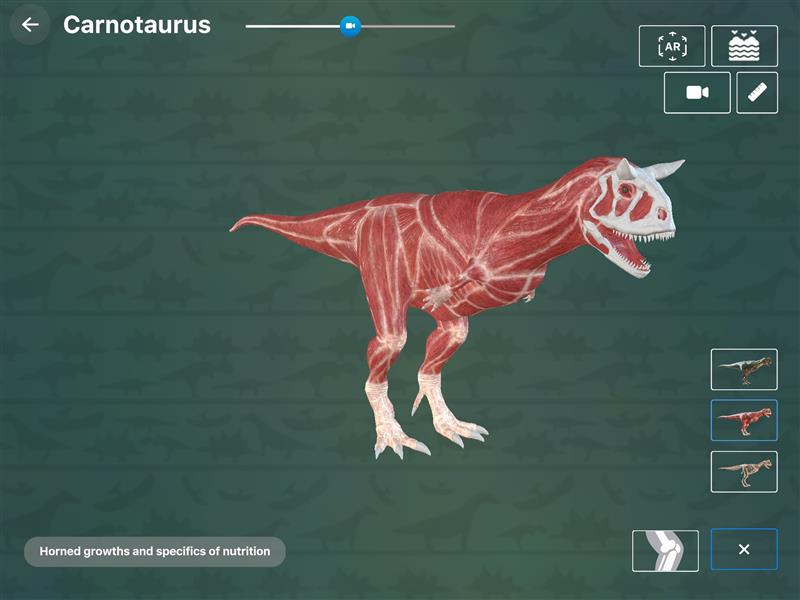
 3D MODEL "MUSCLES"
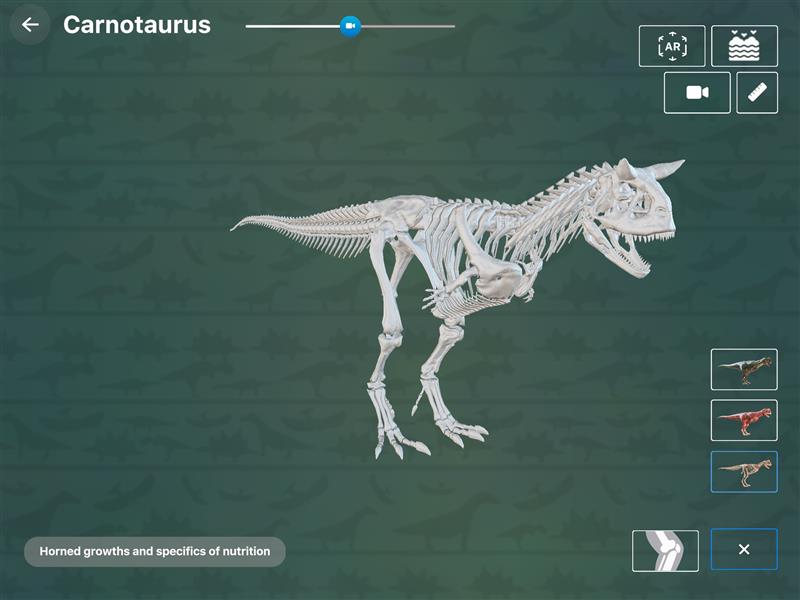
 3D MODEL "SKELETON"
 VISION
 NEIGHBORS
 VOICE ACTING
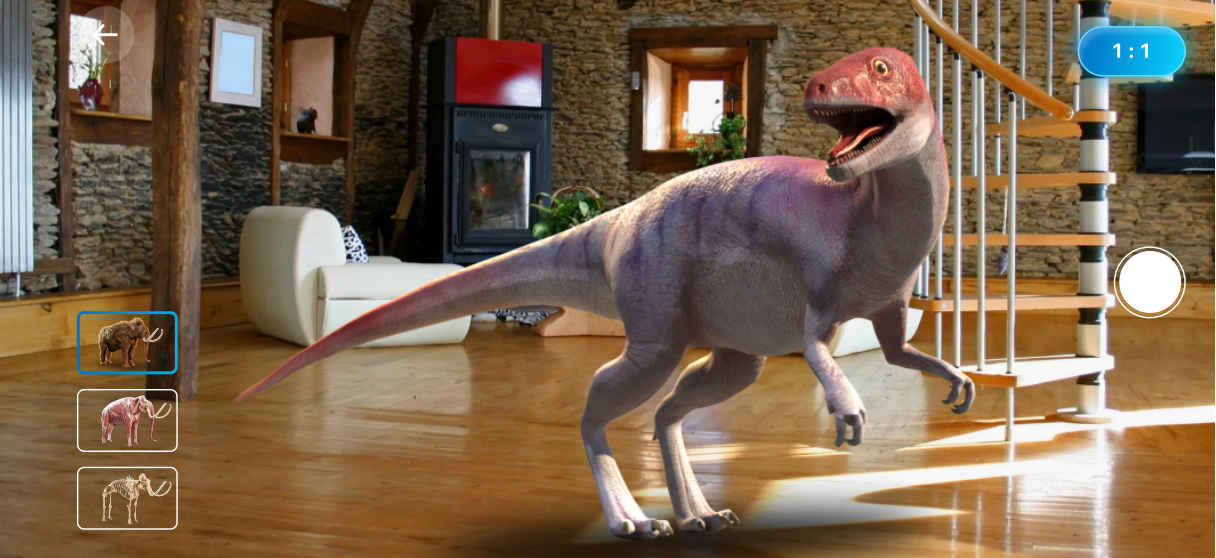
 AR - MODE
 GALLERY
 HISTORY OF DISCOVERIES

