


Sahelanthropus

Name meaning:
Sahel man
Period of life:
7–6 million years ago
Period:
Neogene period
Habitat:
Woodlands
Taxonomy:
Mammals
Countries:



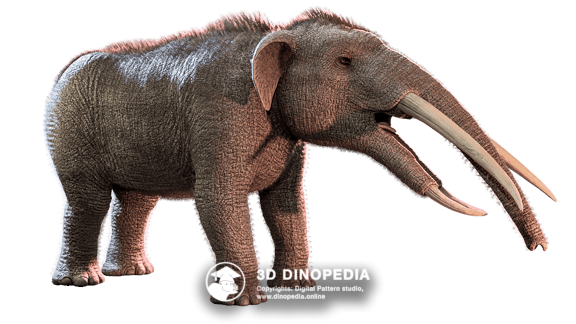 Gomphotherium


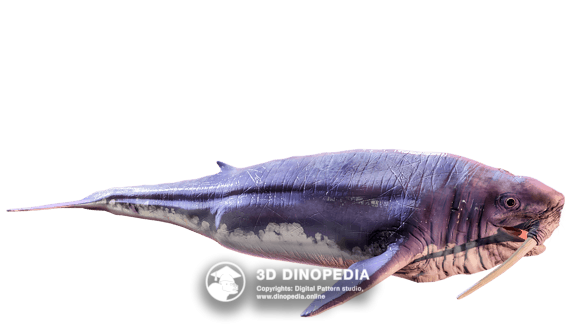
Odobenocetops


What does the name mean: The genus name Sahelanthropus is derived from the word “Sahel” (the African region where the remains were discovered) and the Greek anthropos — “human.”
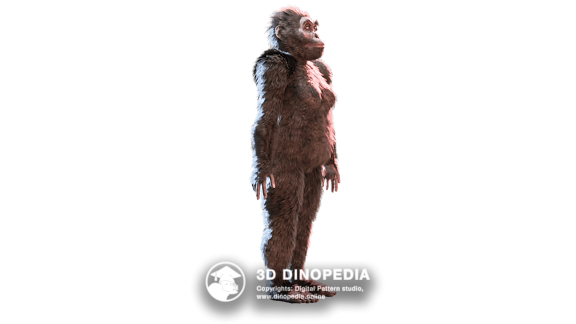
Sahelanthropus is one of the oldest known representatives of the hominins, living approximately 7 million years ago during the Miocene in what is now the Djurab Desert of northern Chad. At that time, the climate of the region was warmer and more humid, and the landscapes represented a combination of forested and open environments.
Sahelanthropus was a relatively small primate: its height is estimated at approximately 1–1.2 m, and its mass at 30–40 kg. It combined primitive and more progressive anatomical features. Brain volume was approximately 320–380 cm³, comparable to that of modern chimpanzees. The skull was characterized by pronounced brow ridges, a sloping forehead, and a massive lower jaw. The teeth were smaller, and the canines less developed than in other primates of the same period, which may indicate dietary specializations.
One of the key features of Sahelanthropus is the position of the foramen magnum. This opening connects the brain with the spinal cord and, in this species, is positioned farther forward than in great apes. Such a position may indicate an ability for bipedal locomotion. However, this hypothesis remains controversial because limb bones of Sahelanthropus are almost entirely absent from the fossil record.
The habitat of Sahelanthropus consisted of a combination of forested and open areas. The diet was probably based mainly on plant resources — fruits, leaves, and shoots. Large predators, including saber-toothed cats and hyenas, inhabited the same ecosystem, making these environments potentially dangerous.
The discovery of Sahelanthropus had great significance for paleoanthropology. These finds expanded understanding of the early stages of human evolution and confirmed the African origin of hominins. Research continues, and new data may clarify the position of this species in human evolution.
Discussions
Start the first one!
 Start a discussion
Other animals






 INTERESTING FACTS
 PUZZLES
 HOME
HOME
 3D MODEL "SKIN"
 3D MODEL "MUSCLES"
 3D MODEL "SKELETON"
 VISION
 NEIGHBORS
 VOICE ACTING
 AR - MODE
 GALLERY
 HISTORY OF DISCOVERIES

