


Aepyornis

Name meaning:
High bird
Period of life:
2,5 million years ago - about 1000 years CE
Period:
Quaternary period
Habitat:
Rainforests
Taxonomy:
Birds
Countries:



 Hydrodamalis gigas


Haikouichthys


What does the name mean: The name Aepyornis means “high bird” (from the Greek aipys — “high” and ornis — “bird”).
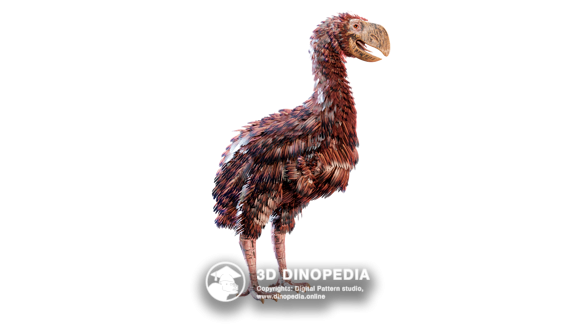
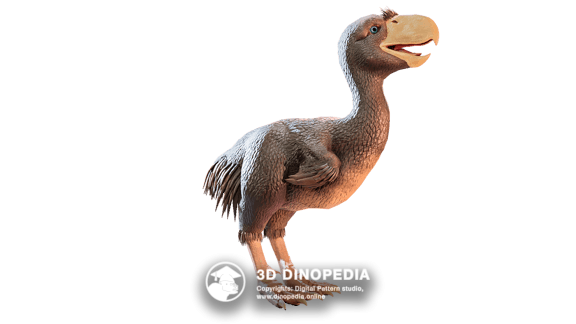
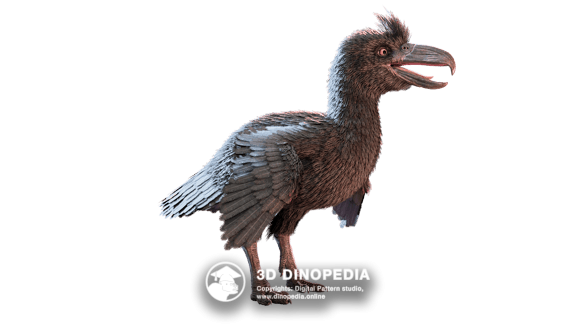
Aepyornis, also known as the “elephant bird,” was a genus of giant flightless birds endemic to the island of Madagascar. These birds inhabited the island’s forests and plains for a long period and became extinct around 1000 CE, probably as a result of human activity.
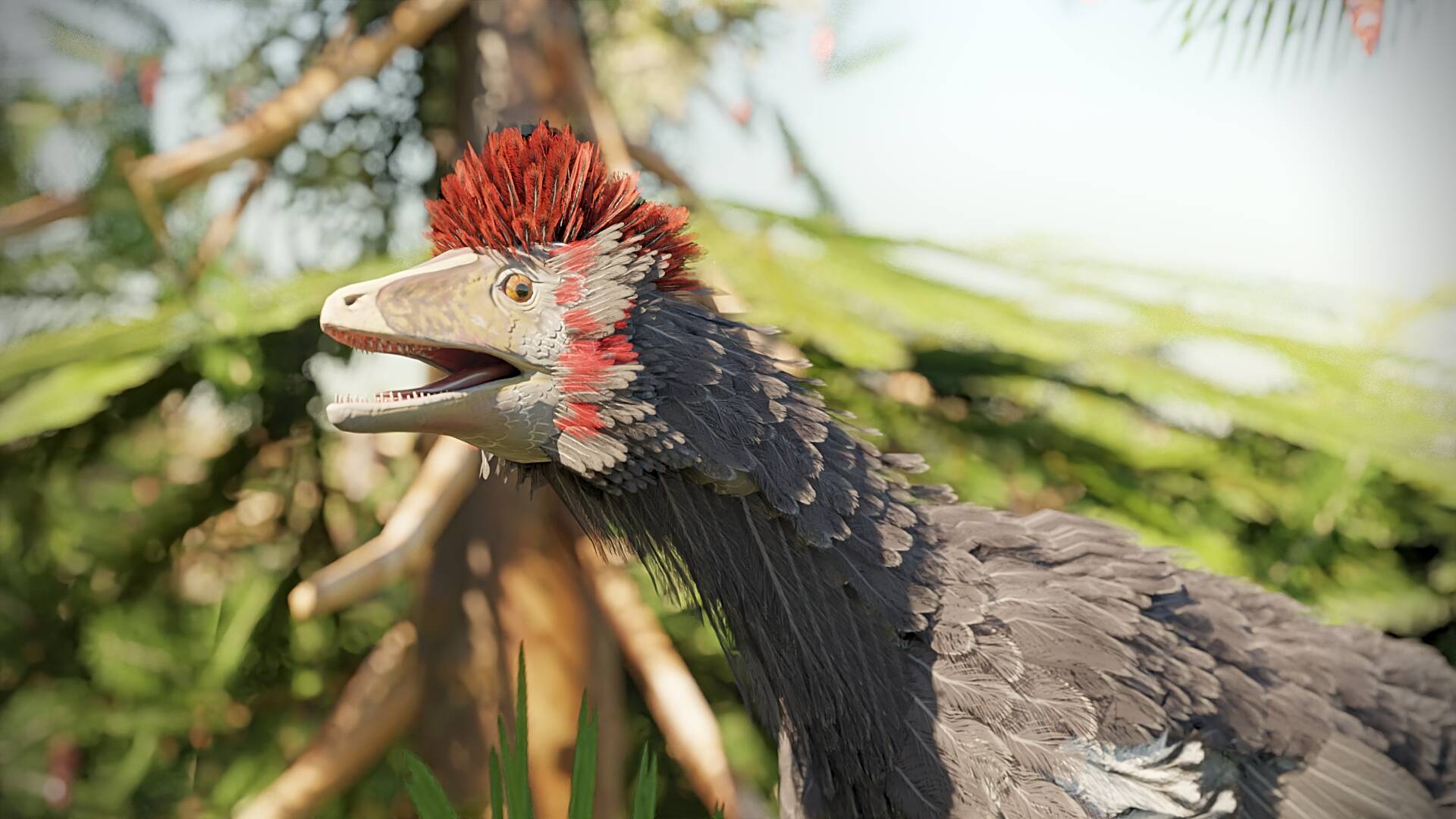
Elephant birds were among the largest birds in history: their Height reached about 3 m, and according to modern estimates their mass may have exceeded several hundred kilograms. They possessed powerful legs adapted for terrestrial locomotion and a massive body covered with feathers. Their wings were rudimentary and were not used for flight.
The head of Aepyornis was relatively small and equipped with a straight, massive beak. A long flexible neck allowed it to reach both elevated vegetation and food on the ground.
Overall body structure resembled that of other large flightless birds: a robust skeleton and well-developed respiratory and circulatory systems. The hind limbs were extremely powerful, with thick bones; the femur was shortened and massive. No reliable evidence of a fourth toe or spurs has been found. Females may have been larger than males.
Elephant birds were herbivorous and fed mainly on fruits and seeds. They played an important role in Madagascar’s ecosystems by dispersing plants. Adult individuals probably had few natural enemies because large predators were absent on the island. However, eggs and chicks may have fallen prey to smaller predators such as the fossa (Cryptoprocta ferox) and snakes.
Aepyornis represents an example of island gigantism — an evolutionary process in which animals isolated on islands evolve very large body sizes. Their extinction was probably connected with human activity, including hunting and habitat destruction, highlighting the vulnerability of island ecosystems.
Discussions
Start the first one!
 Start a discussion
Other animals




 INTERESTING FACTS
 PUZZLES
 HOME
HOME
 3D MODEL "SKIN"
 3D MODEL "MUSCLES"
 3D MODEL "SKELETON"
 VISION
 NEIGHBORS
 VOICE ACTING
 AR - MODE
 GALLERY
 HISTORY OF DISCOVERIES

