


Sapeornis

Name meaning:
SAPE bird
Period of life:
124,5–120 million years ago
Period:
Cretaceous period
Habitat:
Floodplains
Taxonomy:
Theropods
Countries:



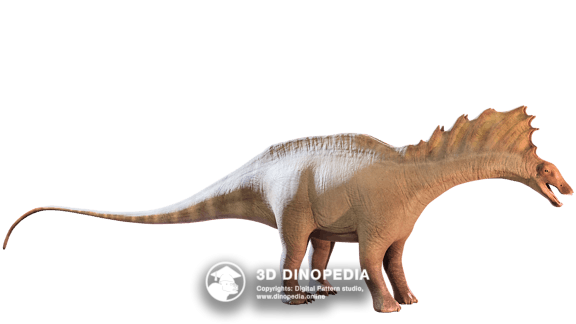 Bajadasaurus


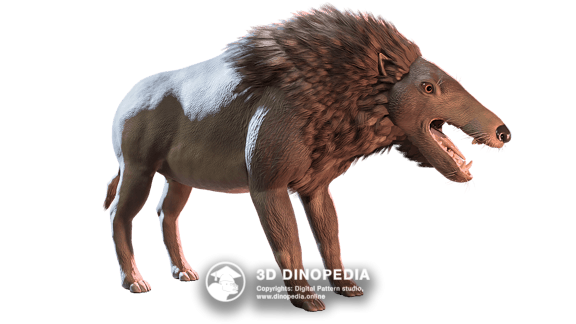
Andrewsarchus


What does the name mean: The name Sapeornis comes from SAPE (Society of Avian Paleontology and Evolution) and the Ancient Greek word ornis (“bird”).
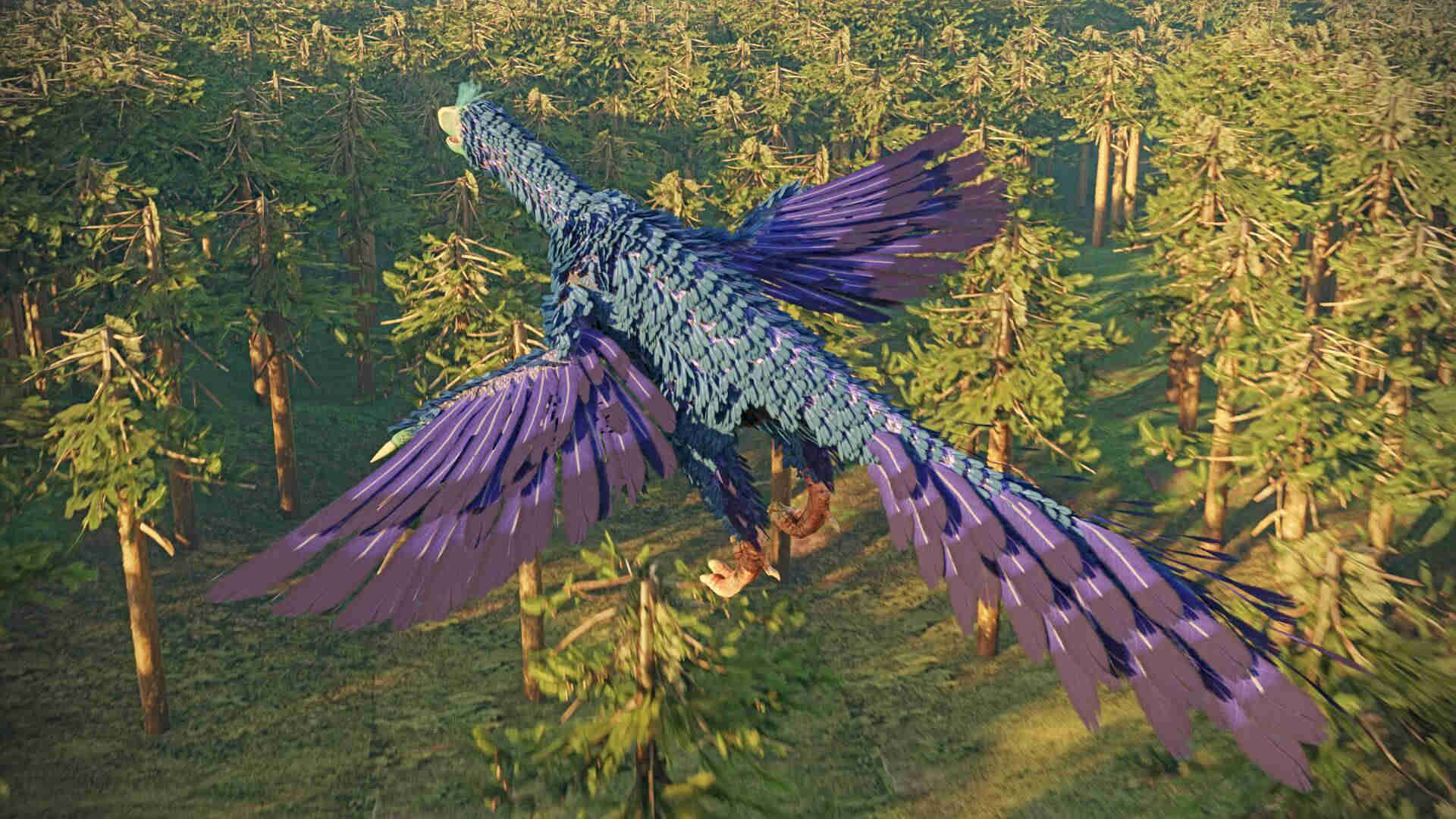
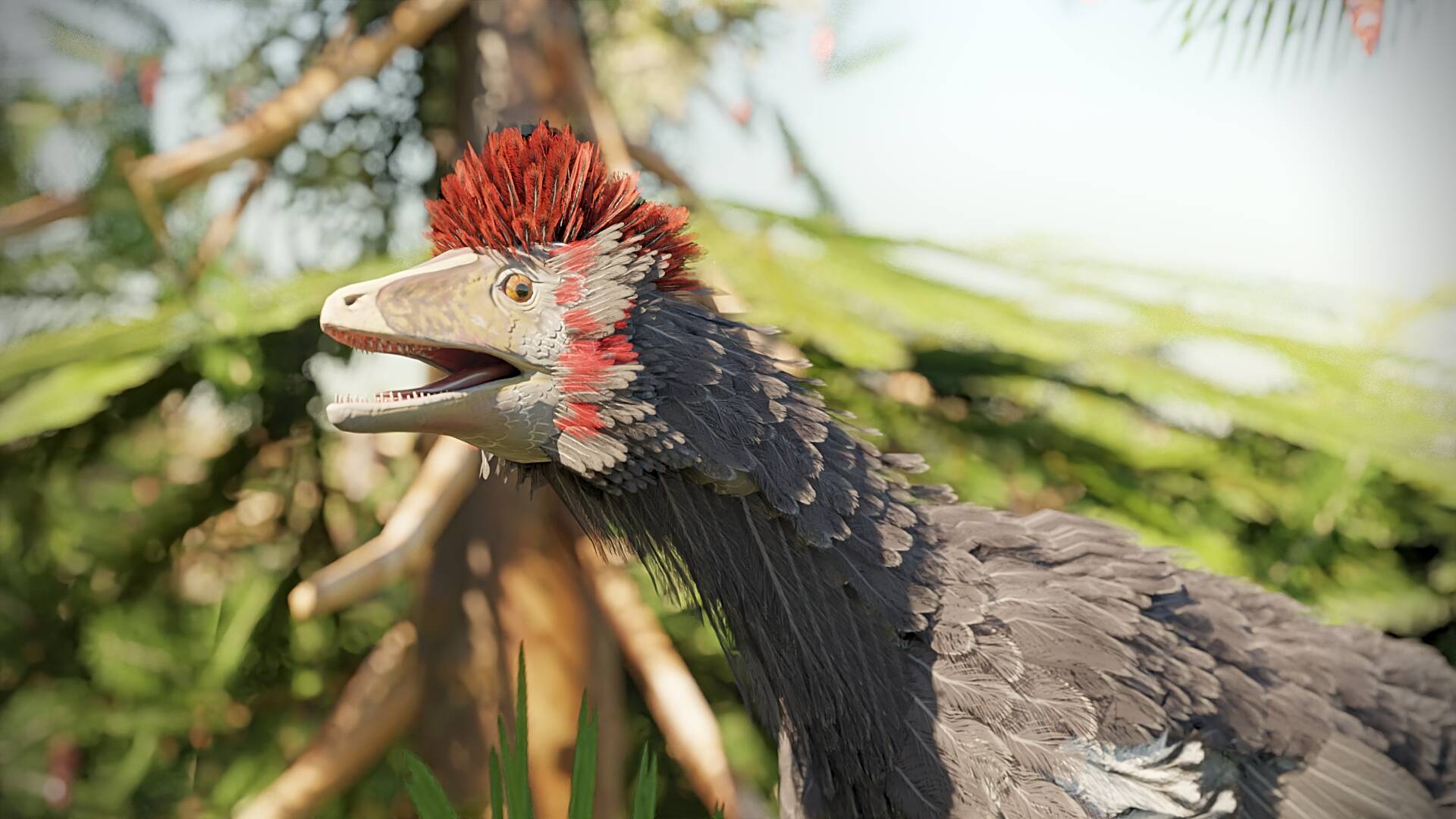
Sapeornis was a bird of the Early Cretaceous period that lived approximately 125–120 million years ago. Its remains were discovered in what is now Liaoning Province, China, within the Yixian and Jiufotang formations. It was a relatively large representative of early birds for its time, with a body length of about 30–33 cm excluding the tail feathers.
Sapeornis possessed a number of anatomical features linking it to modern birds. Its forelimbs had three fingers: the outer finger consisted of two phalanges, while the middle finger had three, a characteristic typical of birds. The wrist joint was well developed, and the forelimbs were about twice as long as the hindlimbs, indicating a considerable wing area.
At the same time, the shoulder girdle remained primitive. Based on its structure, powerful flapping flight was likely limited or absent. The structure of the auditory canal was also more primitive overall than that of Archaeopteryx. The humerus contained large openings that probably helped reduce skeletal weight.
The skull of Sapeornis had several distinctive features. In adults, teeth were present only at the front of the upper jaw, whereas juveniles had teeth along the entire beak. Sapeornis possessed gastralia, but uncinate processes on the ribs were absent or not ossified. The sternum was lacking, restricting the development of the strong flight musculature required for active flapping flight.
Analysis of the fossils indicates that Sapeornis was probably herbivorous, feeding on seeds, fruits, and other plant material. Its growth during ontogeny appears to have been relatively slow, resembling that of Archaeopteryx and small theropods rather than the rapid growth seen in modern birds. In some respects Sapeornis resembled Confuciusornis, although detailed analysis shows that they were not close relatives.
The tail plumage of Sapeornis consisted of straight feathers forming a stepped fan-shaped structure. It lacked a long tail. It is thought not to have been adapted for active flapping flight and likely relied on gliding or soaring locomotion. It may have preferred open habitats, unlike the forested environments typical of many enantiornithine birds, although it was probably capable of perching on branches. Comparisons of its scleral rings with those of modern birds and reptiles suggest a diurnal lifestyle.
Sapeornis represents an important stage in bird evolution. It combines features of both dinosaurs and more advanced birds, making it difficult to assign clearly to either group. Like Archaeopteryx and Confuciusornis, it demonstrates transitional traits characteristic of the early stages of avian evolution.
Discussions
Start the first one!
 Start a discussion
Other animals






 INTERESTING FACTS
 PUZZLES
 HOME
HOME
 3D MODEL "SKIN"
 3D MODEL "MUSCLES"
 3D MODEL "SKELETON"
 VISION
 NEIGHBORS
 VOICE ACTING
 AR - MODE
 GALLERY
 HISTORY OF DISCOVERIES

