


Kulindadromeus

Name meaning:
Runner from Kulinda
Period of life:
168–166 million years ago
Period:
Jurassic period
Habitat:
Lakes and marshes
Taxonomy:
Ornithischians
Countries:



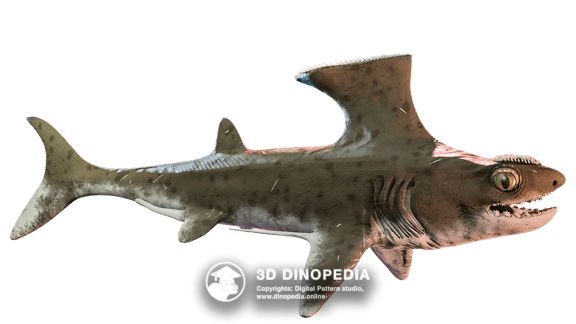
 Hybodus


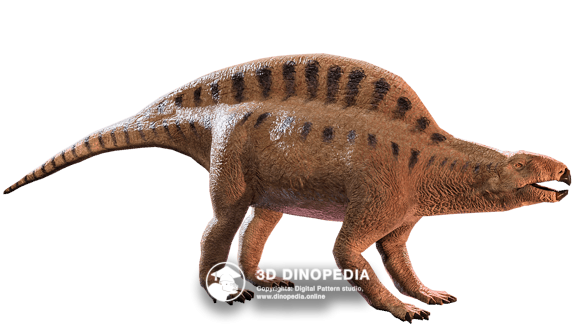
Iguanodon


What does the name mean: “runner from Kulinda”
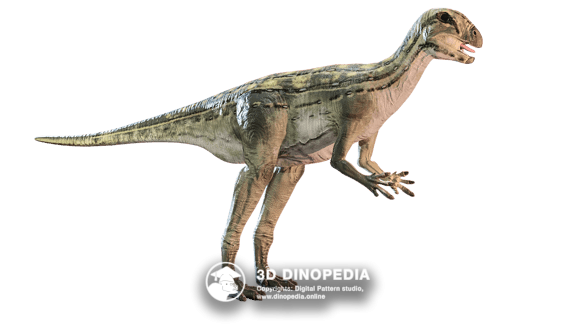
Kulindadromeus was a small ornithischian dinosaur that inhabited the territory of modern Zabaykalsky Krai (Russia) approximately 168 million years ago, during the Bathonian Age of the Jurassic Period. In size, it was comparable to a large dog: body length together with the tail reached about 1.7 meters. A beak was located at the front of the snout. The teeth were adapted for processing plant food: enamel was distributed unevenly, leading to the formation of a cutting edge during wear, and the teeth were continuously replaced throughout life. Kulindadromeus moved on two legs and possessed a short skull, a long tail, and elongated hind limbs adapted for running.
Of particular importance is the structure of the body coverings of Kulindadromeus. Alongside several types of scales covering different parts of the body, three types of feather-like structures were discovered. Filamentous structures resembling the protofeathers of modern birds were present on the shoulders, thighs, and lower legs. This discovery significantly expanded understanding of the distribution of feather-like structures among dinosaurs. Previously, such structures were mainly associated with theropods; however, Kulindadromeus belongs to ornithischian dinosaurs, indicating a much broader distribution of such coverings.
The functions of the feather-like structures in Kulindadromeus remain incompletely understood. It is assumed that they may have participated in thermoregulation by reducing heat loss. Their role in visual communication, for example in attracting mates, also cannot be excluded. Of particular interest are the impressions of body coverings directly associated with skeletal elements. Their further study using modern methods may allow reconstruction of the coloration of this dinosaur.
Kulindadromeus, like other ornithopods, was a herbivorous dinosaur. Its teeth were small, with serrated edges, and arranged in rows within the jaws, ensuring efficient grinding of plant material. It probably bit off leaves and stems and then thoroughly chewed the food. Soft tissues have not been preserved, so reconstruction of the internal anatomy is based on skeletal data and comparison with other ornithopods. The digestive system was likely adapted for processing plant food, which may have included an elongated intestine. Well-developed musculature contributed to active locomotion and food searching.
Discussions
Start the first one!
 Start a discussion
Other animals



 INTERESTING FACTS
 PUZZLES
 HOME
HOME
 3D MODEL "SKIN"
 3D MODEL "MUSCLES"
 3D MODEL "SKELETON"
 VISION
 NEIGHBORS
 VOICE ACTING
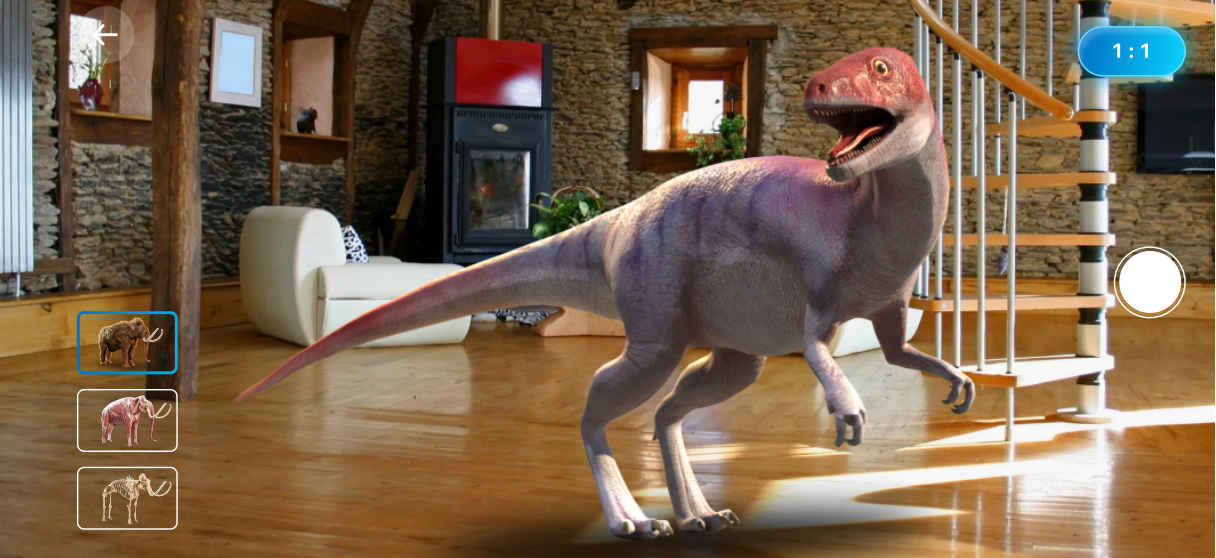
 AR - MODE
 GALLERY
 HISTORY OF DISCOVERIES

