


Dinopithecus

Name meaning:
Huge ape
Period of life:
2,6–1,7 million years ago
Period:
Quaternary period
Habitat:
Savannas and plains
Taxonomy:
Mammals
Countries:




 Hydrodamalis gigas


Haikouichthys


What does the name mean: The name Dinopithecus is translated from Greek as “terrible ape” or “huge ape”.
During the Pliocene and Pleistocene (about 2 million years ago), a large primate — Dinopithecus — inhabited Africa. In size, it greatly exceeded modern baboons: body length could reach about 0.8 m, and males may have weighed up to 57 kg, whereas females were smaller (29–37 kg).
The skull of Dinopithecus was large and elongated, with powerful jaws and well-developed canines generally similar in morphology to those of modern baboons, but more massive. A characteristic feature was the absence of facial fossae — depressions along the sides of the snout and lower jaw that are typical of many baboons. The braincase was relatively small, whereas the brow ridges were strongly developed.
Fossil remains of Dinopithecus are represented mainly by skulls and teeth; the postcranial skeleton is poorly known. This limits the reconstruction of its appearance. By analogy with modern baboons, it is assumed that Dinopithecus moved on four limbs and led a predominantly terrestrial lifestyle.
The structure of the teeth and jaws indicates an omnivorous diet with a predominance of plant food. This may have included fruits, seeds, roots, and grasses, as well as insects, eggs, and small vertebrates. The powerful jaws allowed the processing of hard foods, while the enlarged canines may have been used in intraspecific competition.
Dinopithecus coexisted with large predators, including saber-toothed cats, hyenas, and crocodiles, which may have posed a threat.
The study of Dinopithecus is important for understanding primate evolution and the diversity of African ecosystems during the late Neogene and early Quaternary.
Discussions
 Start a discussion

 0
0
 0
0
 119
119
Other animals





 INTERESTING FACTS
 PUZZLES
 HOME
HOME
 3D MODEL "SKIN"
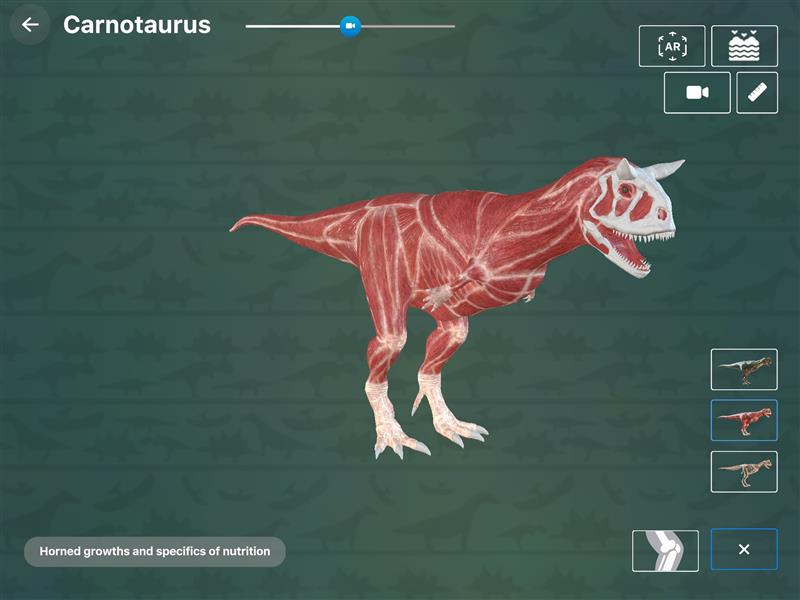
 3D MODEL "MUSCLES"
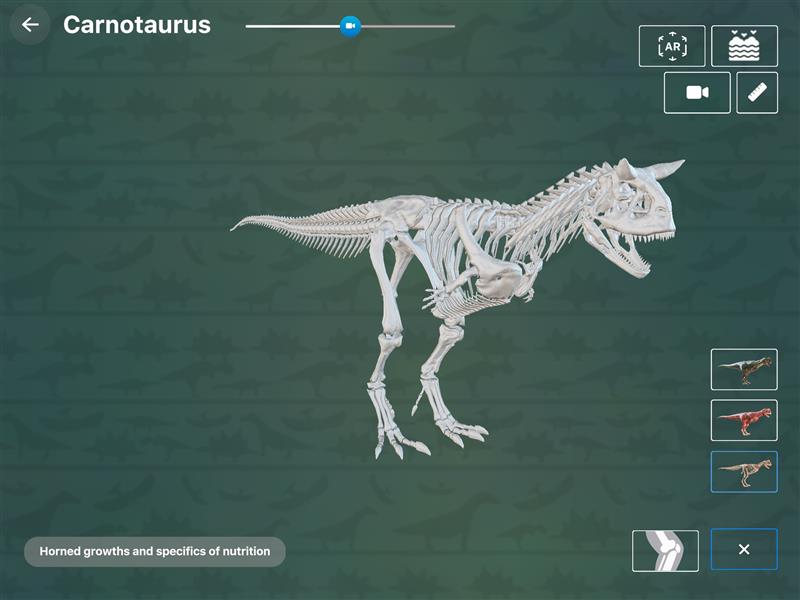
 3D MODEL "SKELETON"
 VISION
 NEIGHBORS
 VOICE ACTING
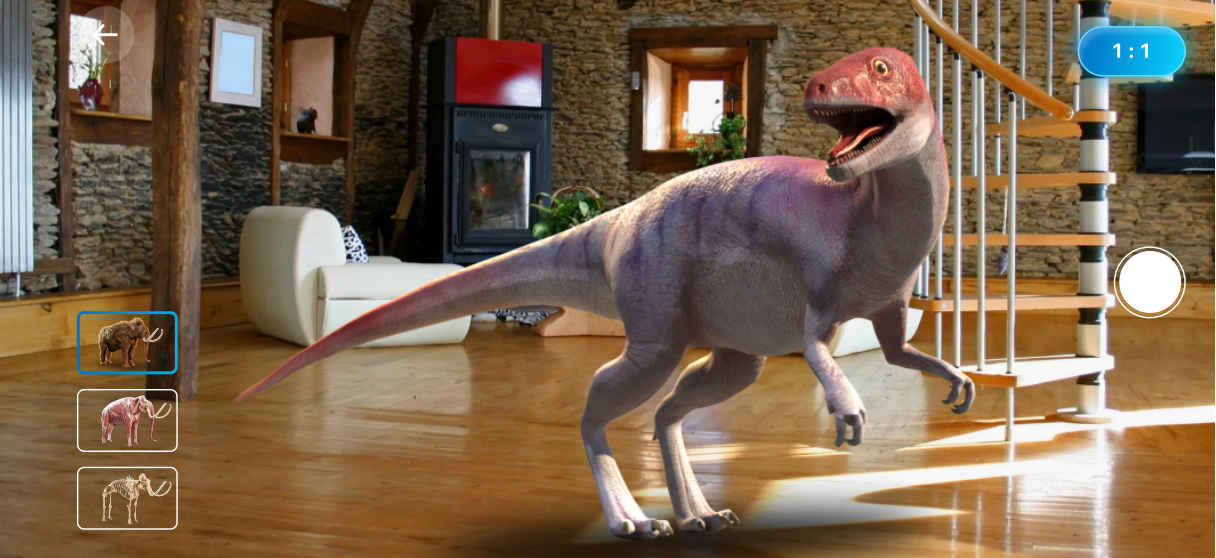
 AR - MODE
 GALLERY
 HISTORY OF DISCOVERIES

