


Dakosaurus


Name meaning:
Biting lizard
Period of life:
157–137 million years ago
Period:
Cretaceous period
Habitat:
Marine environment
Taxonomy:
Crocodilians
Countries:





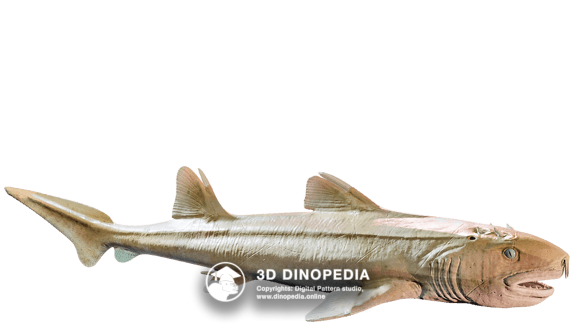 Hybodus


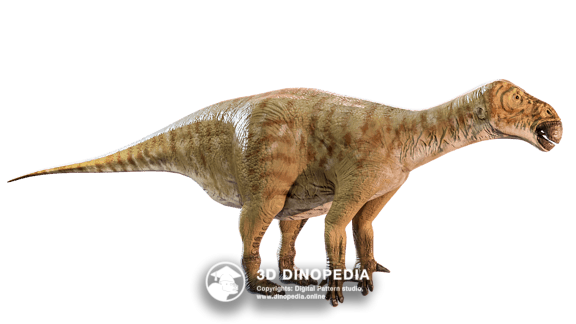
Iguanodon


What does the name mean: “biting lizard” — from the Greek words dakos (“biting”) and sauros (“lizard”).
Dakosaurus maximus was an extinct genus of marine crocodylomorphs from the family Metriorhynchidae that lived during the Late Jurassic and Early Cretaceous, approximately 157–137 million years ago. It was a large predator reaching 4–4.5 m in length, with serrated, laterally compressed teeth. It spent most of its life in the sea, preying on marine animals, including plesiosaurs (Plesiosauria), ichthyosaurs (Ichthyosauria), and sharks.
The body of Dakosaurus was streamlined, providing efficient movement in water. The limbs of its terrestrial ancestors had transformed into flippers that aided maneuverability. The powerful tail served as the primary propulsive and stabilizing structure.
The head of Dakosaurus was large, with powerful jaws and rows of sharp serrated teeth. This structure allowed it to tear apart prey effectively and damage bones. The laterally flattened teeth distinguish Dakosaurus from other representatives of Metriorhynchidae and indicate its role as a major predator within the ecosystem.
The internal anatomy of Dakosaurus reflects adaptation to a marine environment. Its bones were relatively lightweight, reducing overall body mass. Well-developed salt glands allowed excess salt ingested with seawater to be expelled.
Overall, Dakosaurus was a highly specialized marine predator. Its anatomy reflects the transition from terrestrial ancestors to a fully aquatic lifestyle. It disappeared at the beginning of the Cretaceous Period; possible causes include climate change and competition with other marine predators.
Discussions
Start the first one!
 Start a discussion
Other animals
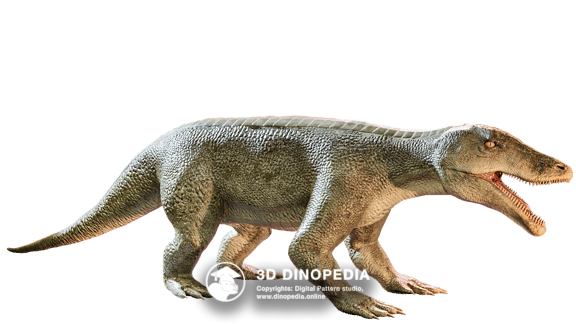
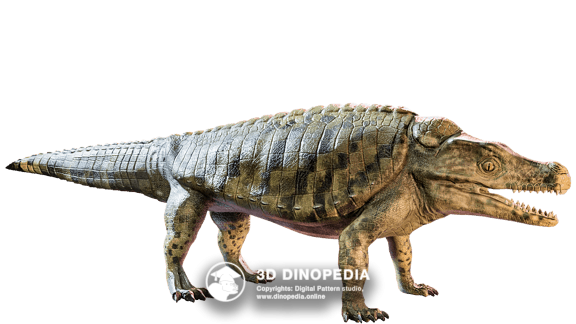






 INTERESTING FACTS
 PUZZLES
 HOME
HOME
 3D MODEL "SKIN"
 3D MODEL "MUSCLES"
 3D MODEL "SKELETON"
 VISION
 NEIGHBORS
 VOICE ACTING
 AR - MODE
 GALLERY
 HISTORY OF DISCOVERIES

