


Coronodon


Name meaning:
Crowned tooth
Period of life:
30–23.5 million years ago
Period:
Paleogene period
Habitat:
Marine environment
Taxonomy:
Mammals
Countries:



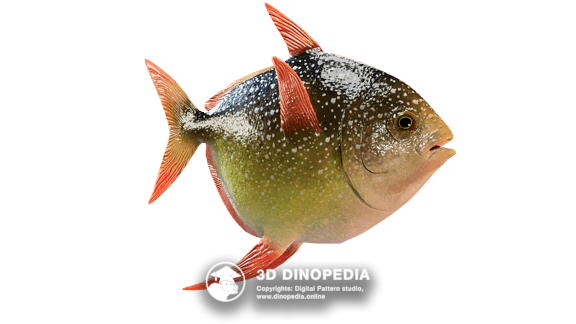 Megalampris


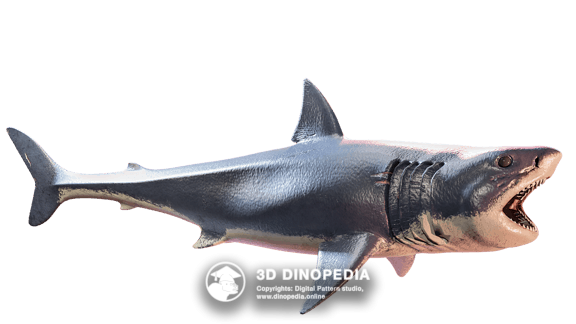
Megalodon


What does the name mean: “crowned tooth”.
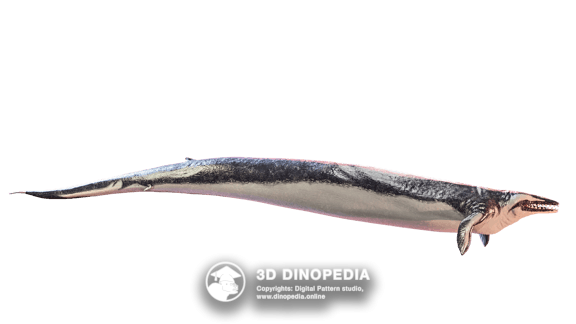
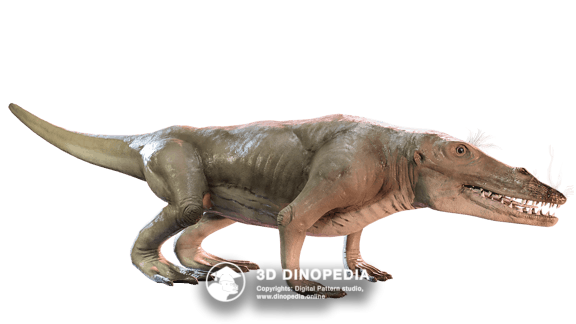
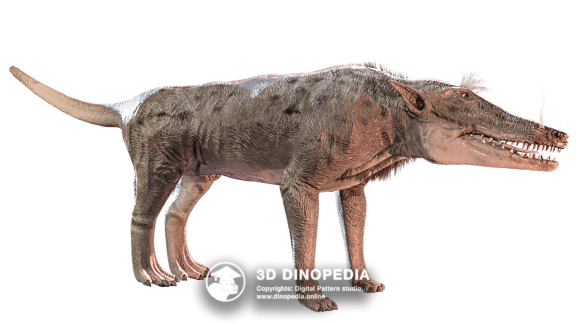
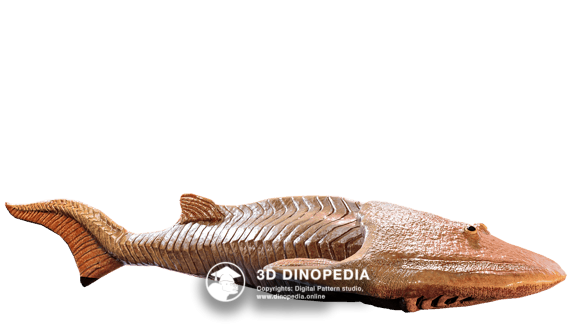
Coronodon was an early representative of the baleen whales (Mysticeti) that lived during the Oligocene, approximately 30–23.5 million years ago. Its name (“crowned tooth”) is associated with the characteristic structure of its teeth. The remains of this animal were discovered in the Ashley and Chandler Bridge formations (South Carolina, USA), which formed in shallow marine environments. These deposits contain diverse remains of marine fauna and allow reconstruction of the ecosystems of that time.
In size, Coronodon was comparable to modern small whales: body length reached about 4.9 m, and mass approximately 1.1–1.2 t. Unlike modern baleen whales that feed on plankton, it retained a distinctly predatory feeding strategy, reflected in the structure of its teeth.
The anterior teeth of Coronodon were elongated and pointed, indicating a prey-capturing function. The cheek teeth (premolars and molars) possessed several similarly sized cusps and were closely spaced, forming narrow gaps between the crowns. This structure differs from the dentition of basilosaurids and is regarded as a transitional condition. It allowed prey to be retained and probably partially filtered. Coronodon most likely fed on fish and cephalopod mollusks.
Coronodon represents an important stage in cetacean evolution. It demonstrates the transition from toothed predatory forms to baleen whales specialized for plankton feeding. Study of its remains helps clarify the mechanisms behind the evolution of filter feeding and the early diversification of Mysticeti.
Discussions
Start the first one!
 Start a discussion
Other animals






 INTERESTING FACTS
 PUZZLES
 HOME
HOME
 3D MODEL "SKIN"
 3D MODEL "MUSCLES"
 3D MODEL "SKELETON"
 VISION
 NEIGHBORS
 VOICE ACTING
 AR - MODE
 GALLERY
 HISTORY OF DISCOVERIES

