


Caihong

Name meaning:
Rainbow
Period of life:
161 million years ago
Period:
Jurassic period
Habitat:
Lakes and marshes
Taxonomy:
Theropods
Countries:



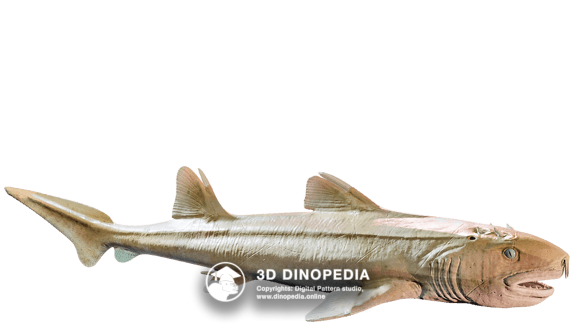 Hybodus


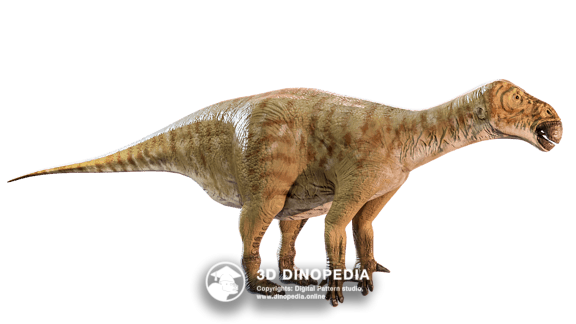
Iguanodon


What does the name mean: “rainbow” (the full translation of Caihong juji is “large rainbow crest”).
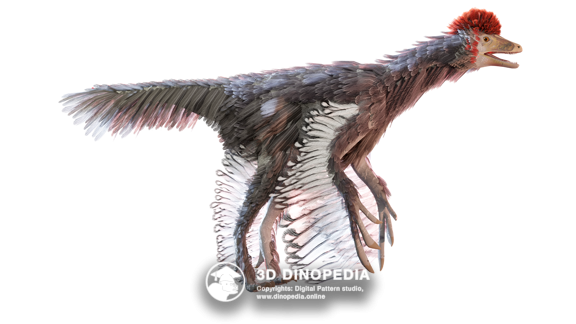
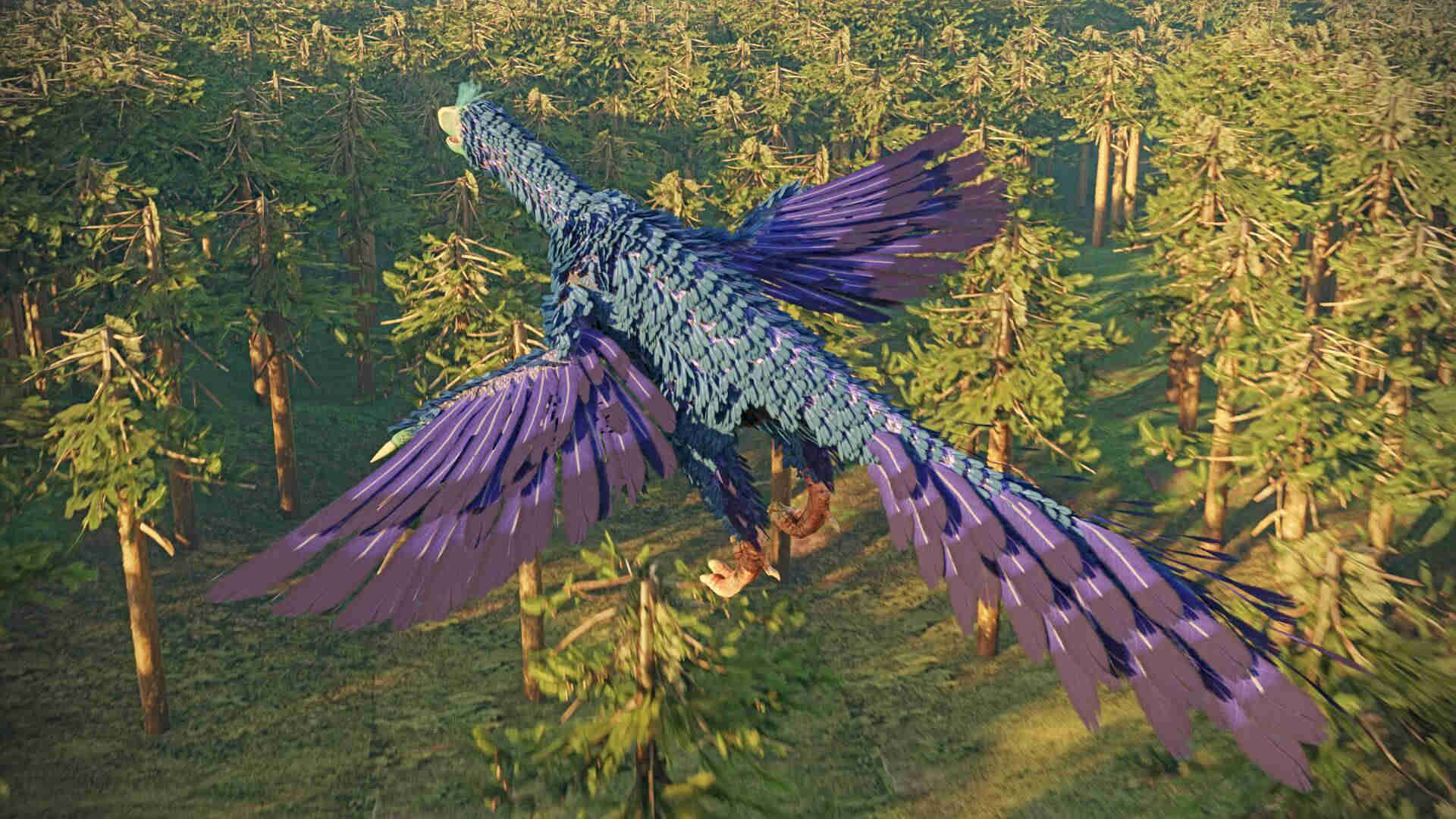
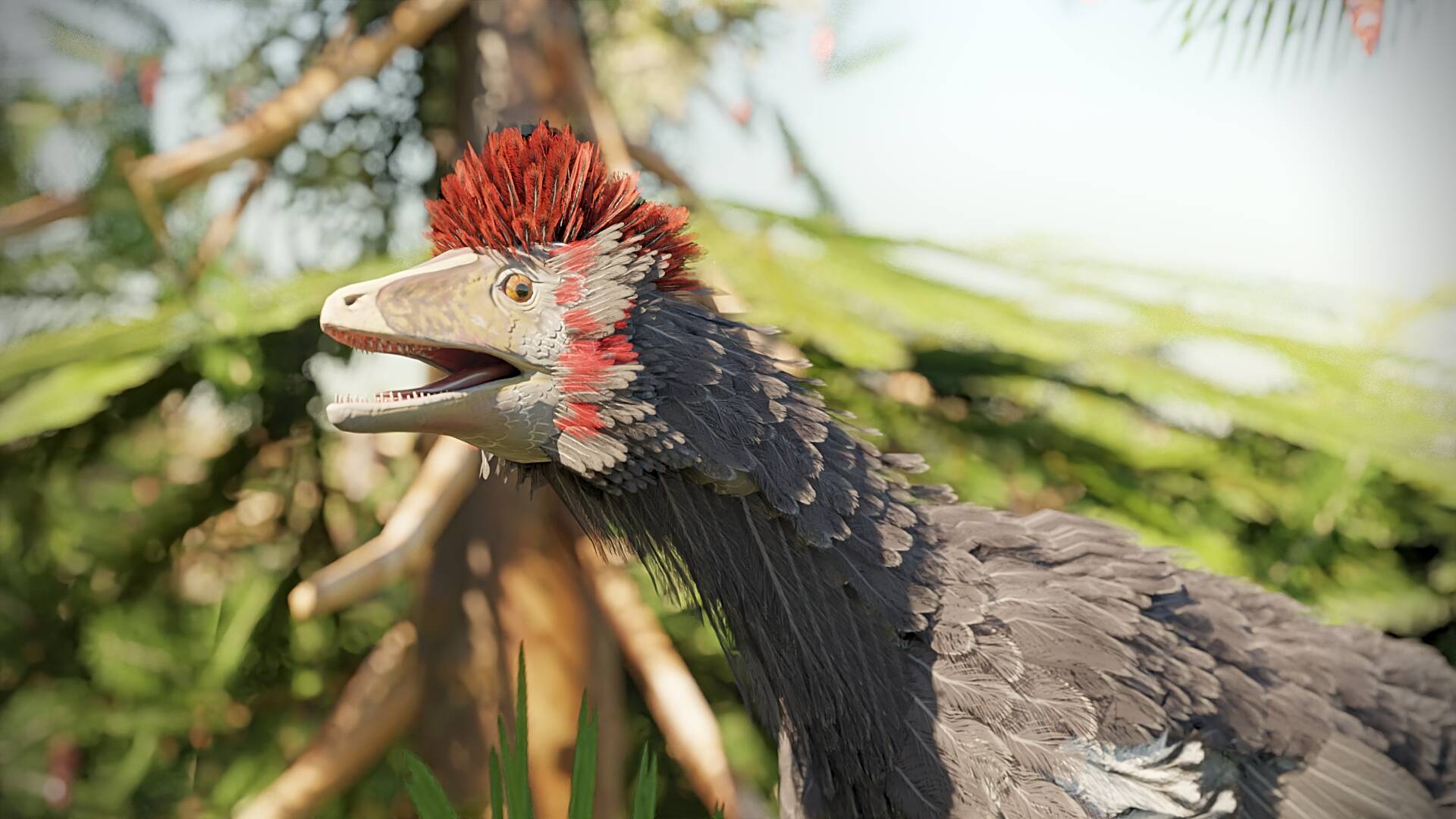
Caihong juji was a small feathered dinosaur that inhabited the territory of modern China approximately 161 million years ago, during the Late Jurassic. Its name translates as “large rainbow crest.” In size, it was comparable to a modern chicken and possessed a number of unique features important for understanding the evolution of feather covering in dinosaurs.
Caihong juji inhabited forest ecosystems of the Late Jurassic. Its body length was about 40 cm, and its mass was approximately 475 grams. Despite its small size, it was an agile predator with a characteristic crest on the head and hunted insects, lizards, and other small animals.
The structure of the jaws of Caihong juji, including thin and sharp teeth, indicates adaptation for capturing mobile prey. Its diet probably consisted mainly of insects, millipedes, spiders, and other invertebrates obtained both on the ground and among vegetation. It is also possible that it hunted small vertebrates such as lizards. Long hind limbs and mobile forelimbs contributed to effective hunting.
One of the key features of Caihong juji was its well-developed feather covering. Studies have shown that its feathers were complex structures similar to those of modern birds. Short stiff feathers were located on the head and neck, whereas the body was covered with longer feathers reaching about 4 cm in length. The tail was adorned with elongated asymmetrical feathers forming a fan-like structure.
The coloration of the feathers of Caihong juji is of particular importance. According to research data, they may have possessed bright iridescent shades. Such coloration was likely used in visual communication, for example in attracting mates or display behavior.
The study of Caihong juji significantly expands understanding of the evolution of feather covering in dinosaurs. This discovery provides important information about the functions of feathers, including their role not only in thermoregulation and flight, but also in visual communication.
Discussions
Start the first one!
 Start a discussion
Other animals







 INTERESTING FACTS
 PUZZLES
 HOME
HOME
 3D MODEL "SKIN"
 3D MODEL "MUSCLES"
 3D MODEL "SKELETON"
 VISION
 NEIGHBORS
 VOICE ACTING
 AR - MODE
 GALLERY
 HISTORY OF DISCOVERIES

