


Proailurus
Name meaning:
Before the cat
Period of life:
22-20 million years ago
Period:
Neogene period
Habitat:
Floodplains
Taxonomy:
Mammals
Countries:





 Argentavis


Gomphotherium


What does the name mean: Proailurus means “before the cat” and reflects its early position in felid evolution.
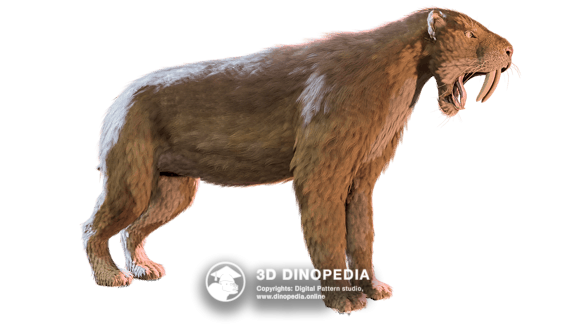
In Early Miocene Europe, approximately 20 million years ago, a small predatory mammal known as Proailurus lemanensis lived. Its name derives from the Greek words “πρό” (“before”) and “αἴλουρος” (“cat”), indicating its important position among the earliest representatives of the cat family. Proailurus is regarded as one of the oldest known forms that helps scientists understand the development of the characteristic felid body plan.
In size, Proailurus was comparable to a large domestic cat or a small lynx. Its body length ranged from about 70 cm to 1 m, and its mass was approximately 7–10 kg. The body was elongated and flexible, with relatively short limbs and a long tail that helped maintain balance during movement.
An important feature of Proailurus was its limbs. Unlike more primitive ancestors, it probably already possessed partially retractable claws. This allowed it to move more stealthily and hunt more effectively. The skull was relatively small but had large eye sockets, indicating well-developed vision, probably adapted for crepuscular activity. The jaws were equipped with sharp teeth designed for slicing meat.
Proailurus was apparently an agile predator capable of hunting both on the ground and within shrubs or the lower levels of forests. It is often reconstructed as an animal with well-developed climbing abilities, consistent with the view of early felids as inhabitants of wooded environments. It hunted small animals — birds, rodents, and lizards — using its agility and rapid reactions.
Despite the importance of Proailurus for understanding the origin of felids, its fossil remains are comparatively scarce. Nevertheless, their analysis helps clarify the early stages of felid evolution and trace changes in anatomy, lifestyle, and adaptations to different environmental conditions.
Discussions
Start the first one!
 Start a discussion
Other animals





 INTERESTING FACTS
 PUZZLES
 HOME
HOME
 3D MODEL "SKIN"
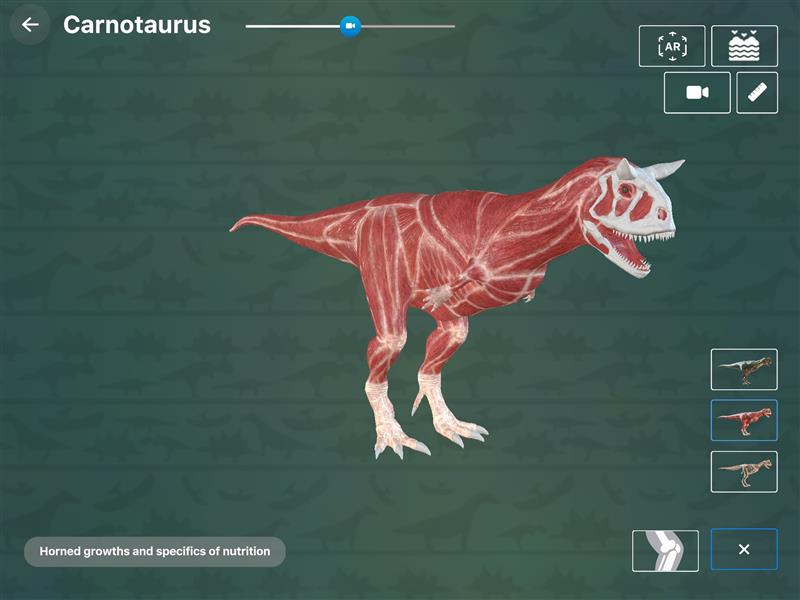
 3D MODEL "MUSCLES"
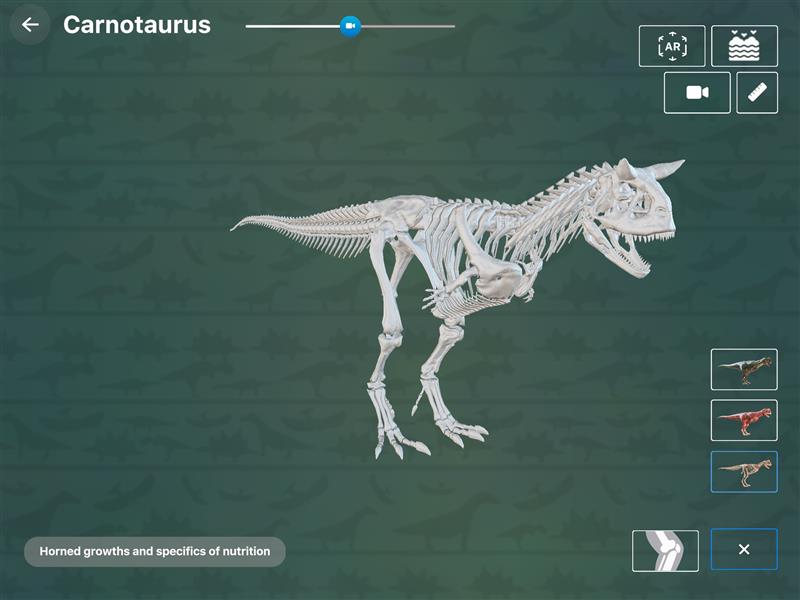
 3D MODEL "SKELETON"
 VISION
 NEIGHBORS
 VOICE ACTING
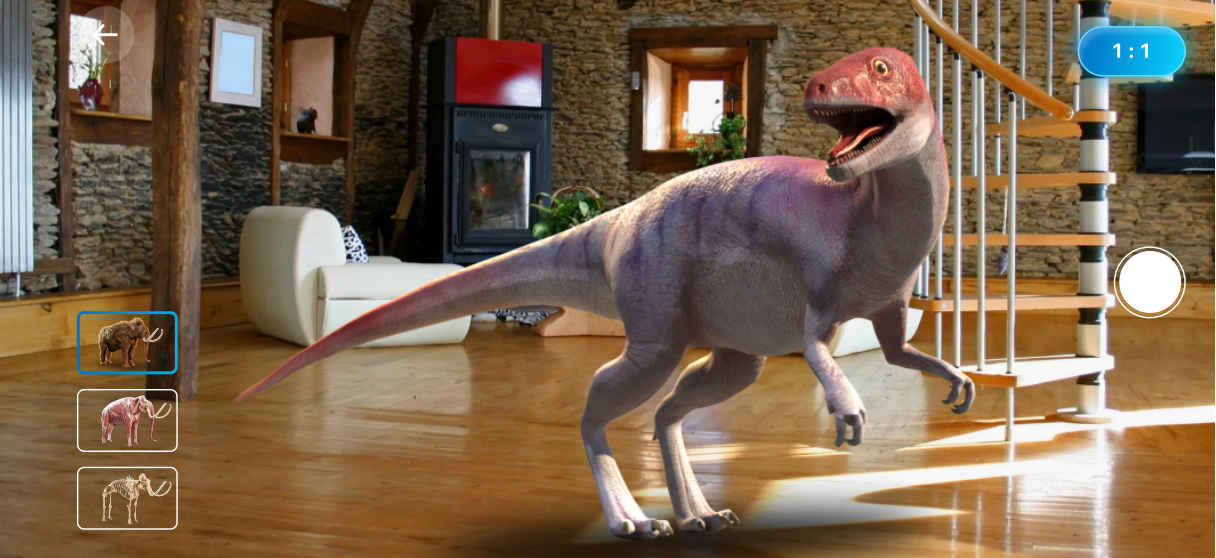
 AR - MODE
 GALLERY
 HISTORY OF DISCOVERIES

