


Odontochelys

Name meaning:
Toothed turtle
Period of life:
220 million years ago
Period:
Triassic period
Habitat:
Marine environment
Taxonomy:
Turtles and tortoises
Countries:

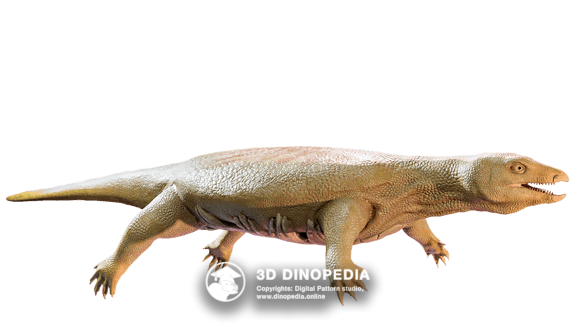



 Pappochelys


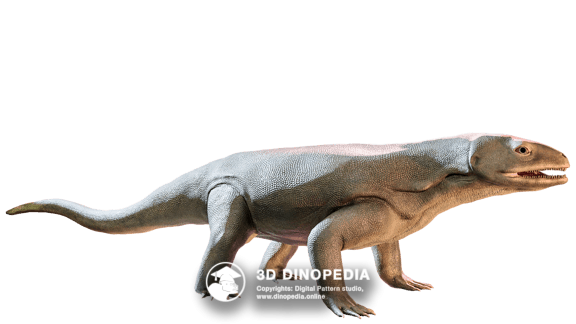
Eorhynchochelys
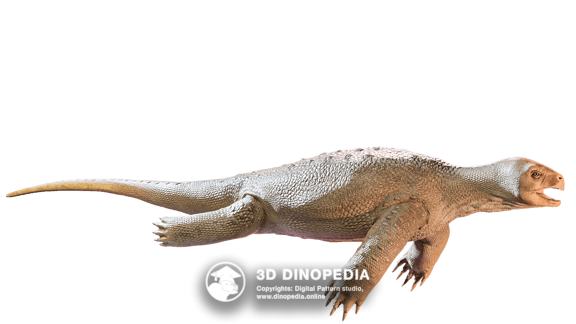


What the name means: The name Odontochelys comes from the Greek words odontōtē (“toothed”) and chelys (“turtle”), meaning “toothed turtle”.
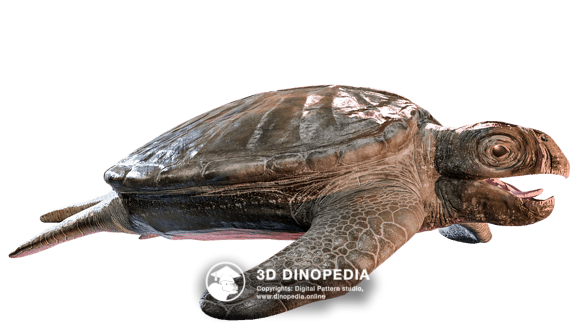
Odontochelys is one of the most unusual reptiles of the Mesozoic era. It lived during the Late Triassic on the territory of modern China, near Guizhou. This animal differs from modern turtles in several key features, which is why it is considered a transitional form. This makes it especially important for paleontological research.
Odontochelys was small in size: up to 40 centimeters in length, including a tail of record length for prehistoric turtles. Judge for yourself: the length of the turtle’s body did not exceed 20 cm. At the same time, Odontochelys possessed a number of unique features, including partially developed ventral plates instead of a fully formed carapace shell, which is present in modern turtles. This indicates that either the process of carapace formation was still in development, or it had undergone reduction in connection with adaptation to a marine lifestyle, which could have contributed to increased maneuverability and swimming speed.
This remarkable creature had a beak like that of modern turtles, but at the same time it had teeth in its mouth, which fundamentally distinguishes it from its modern descendants! These teeth helped it chew food, since, unlike its descendants, Odontochelys did not use keratinous plates. This indicates an omnivorous diet: Odontochelys could feed on both algae and small invertebrate animals. Odontochelys could inhabit both the sea and brackish water bodies, such as the deltas of large rivers.
Discussions
 Start a discussion

 0
0
 0
0
 295
295
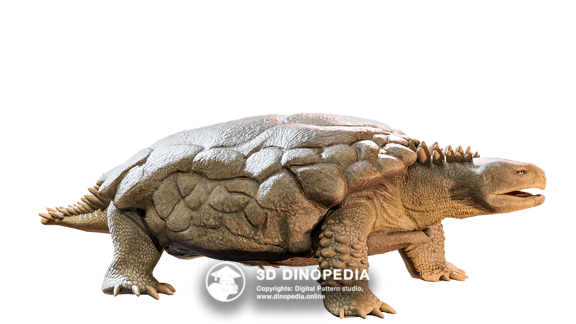
Other animals





 INTERESTING FACTS
 PUZZLES
 HOME
HOME
 3D MODEL "SKIN"
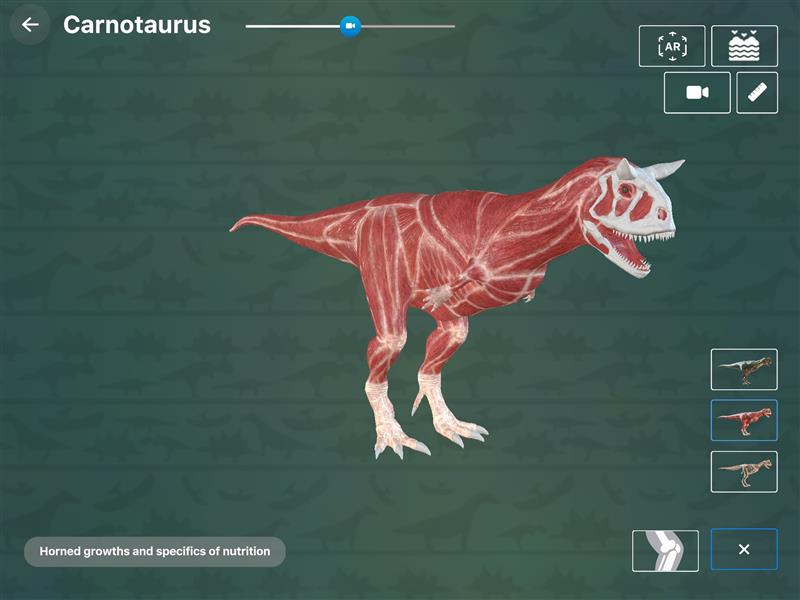
 3D MODEL "MUSCLES"
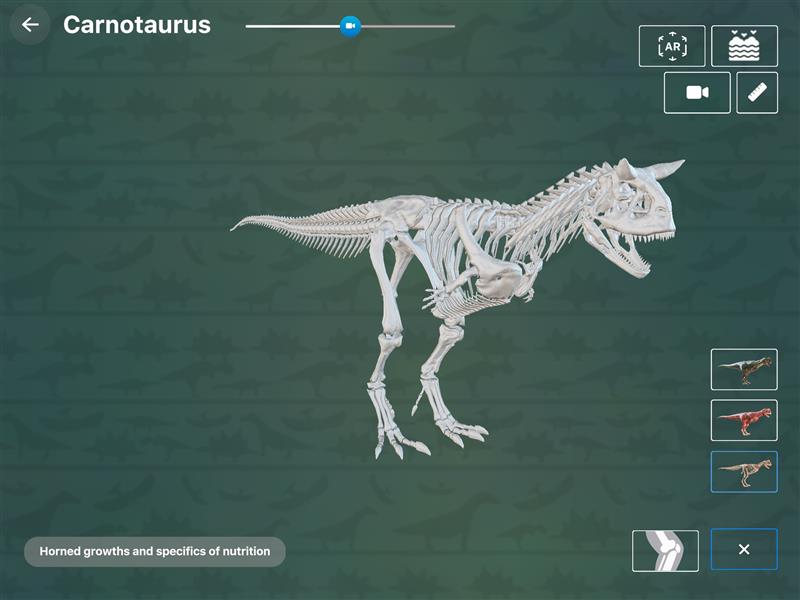
 3D MODEL "SKELETON"
 VISION
 NEIGHBORS
 VOICE ACTING
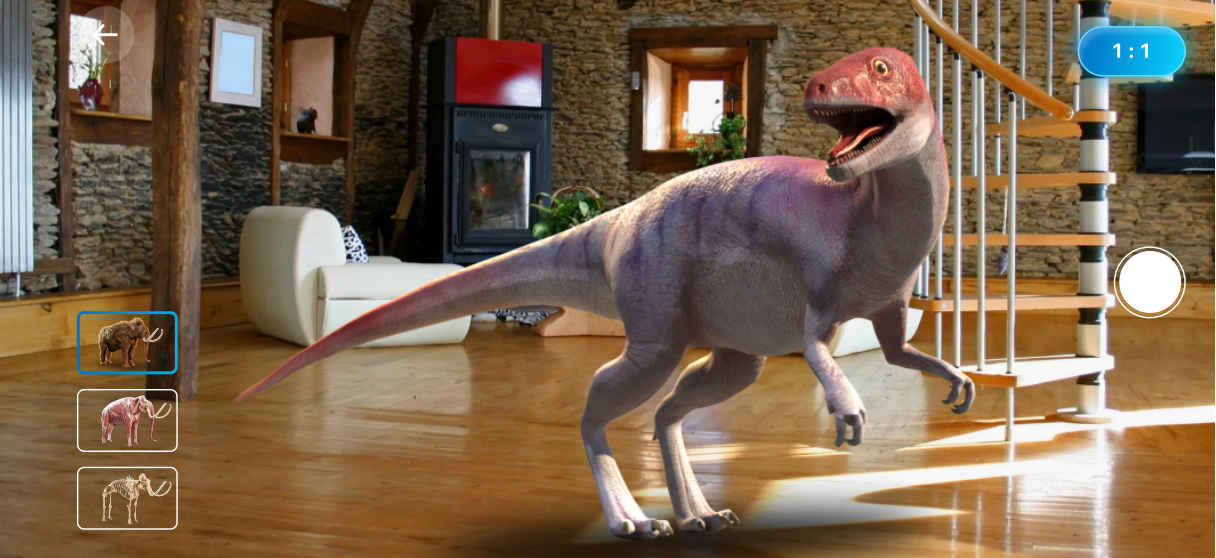
 AR - MODE
 GALLERY
 HISTORY OF DISCOVERIES

