


Juramaia

Name meaning:
Jurassic mother
Period of life:
160 million years ago
Period:
Jurassic period
Habitat:
Coasts
Taxonomy:
Mammals
Countries:



 Hybodus


Iguanodon


What does the name mean: “Jurassic mother”.
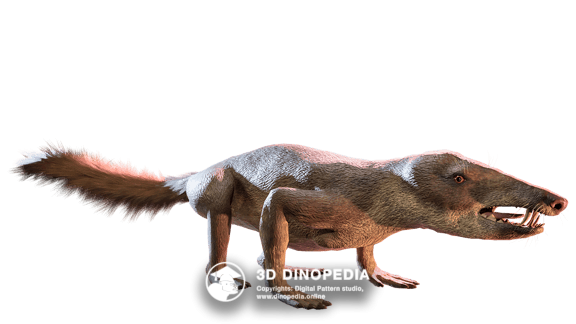
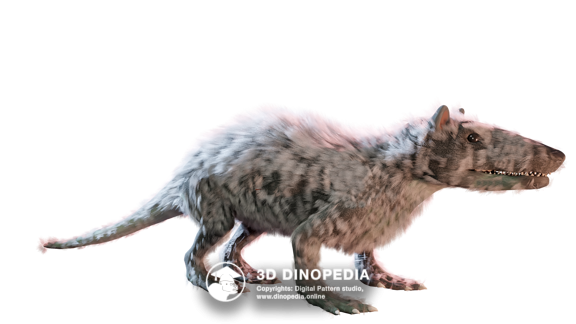
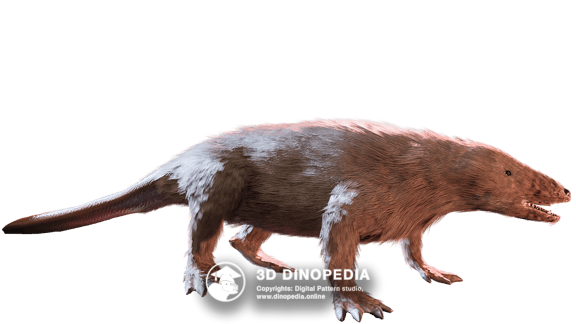
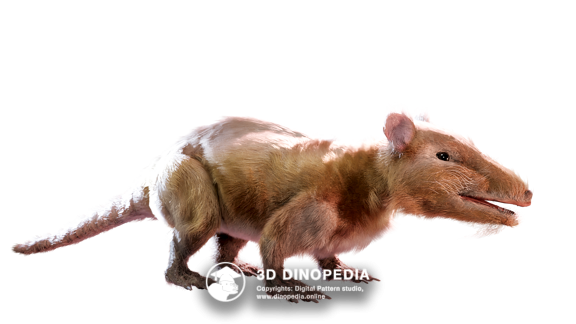
Juramaia sinensis was an early mammal that inhabited the territory of modern China approximately 160 million years ago, during the Jurassic Period. This animal was about the size of a modern mouse and weighed around 13–17 g. Juramaia is of particular scientific interest because it is considered one of the oldest known representatives of Eutheria — the group that includes placental mammals.
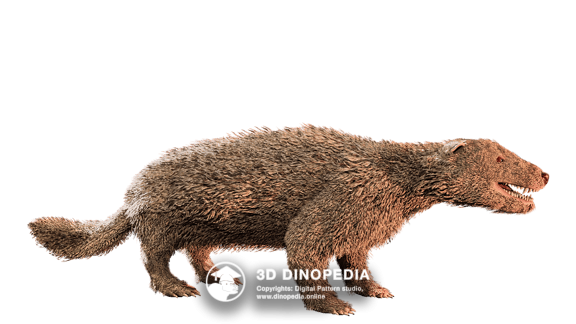
In appearance, Juramaia sinensis resembled modern insectivorous mammals such as shrews. Its body was covered with fur. The structure of the limbs indicates climbing ability, suggesting a partially arboreal lifestyle. It probably used both terrestrial and arboreal resources for food searching and shelter.
One of the key features of Juramaia sinensis is its position in the evolution of mammalian reproductive strategies. It belongs to early eutherians — the group that later gave rise to placental forms. It is assumed that such animals already possessed features associated with intrauterine development of offspring; however, the degree of development of placental structures probably differed from that of modern placental mammals.
The discovery of Juramaia sinensis significantly expanded understanding of the early evolution of eutherians. Its study helps clarify the time of origin of this group and the characteristics of their early development. Before its discovery, eutherians were thought to have appeared much later, during the Cretaceous Period. However, the discovery of Juramaia demonstrated that representatives of this lineage already existed about 160 million years ago, shifting their origin tens of millions of years deeper into the Jurassic.
Discussions
Start the first one!
 Start a discussion
Other animals






 INTERESTING FACTS
 PUZZLES
 HOME
HOME
 3D MODEL "SKIN"
 3D MODEL "MUSCLES"
 3D MODEL "SKELETON"
 VISION
 NEIGHBORS
 VOICE ACTING
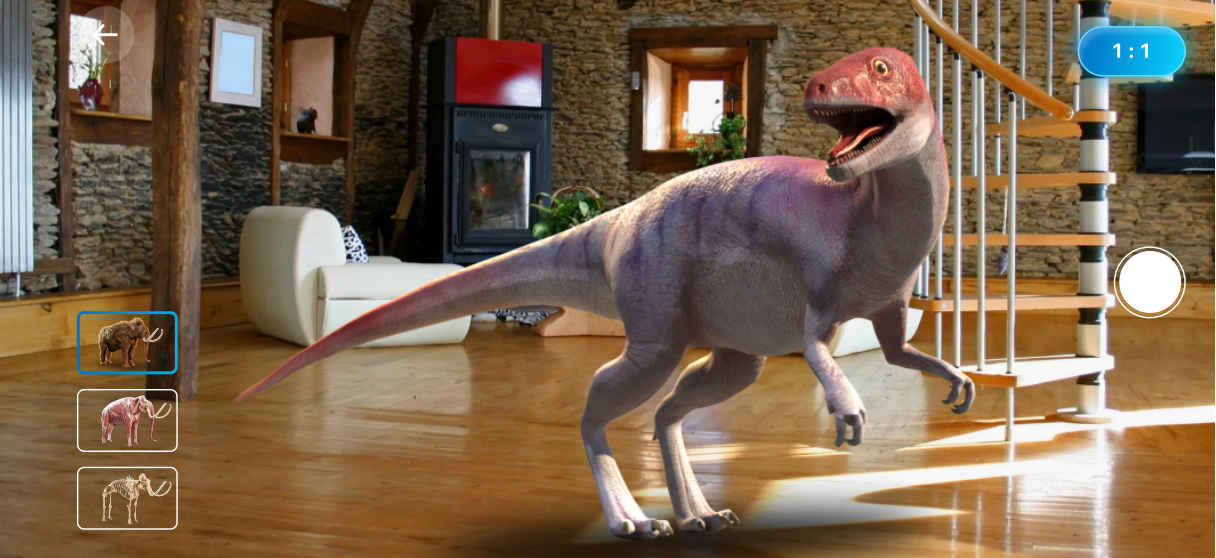
 AR - MODE
 GALLERY
 HISTORY OF DISCOVERIES

