


Puijila

Name meaning:
Young seal
Period of life:
24-21- million years ago
Period:
Neogene period
Habitat:
Lakes and marshes
Taxonomy:
Mammals
Countries:



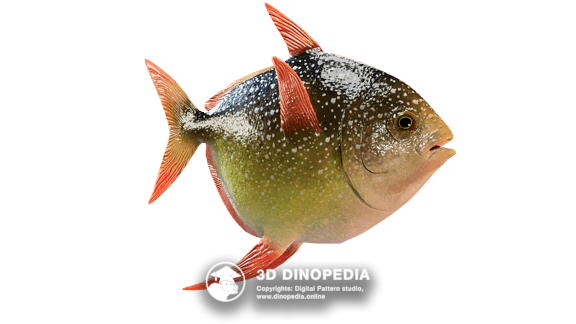 Megalampris


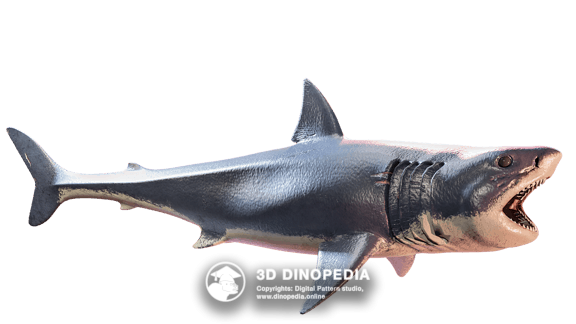
Megalodon


What does the name mean: The word “Puijila” comes from the Inuktitut language and means “young seal.”
Puijila darwini was a small predator that lived during the Miocene approximately 24–21 million years ago. Its body length reached about 1 meter. This animal is regarded as one of the early forms reflecting the transition toward pinnipeds and is of great importance for the study of their evolution.
In appearance, Puijila combined features of both an otter and a seal. Its body was elongated and flexible, while the limbs were relatively short and adapted for both terrestrial locomotion and swimming. Unlike modern seals, it lacked flippers: instead, it possessed webbed feet with long toes. The skull was broad and flattened, with large eye sockets indicating well-developed vision. The teeth were sharp and backward-directed, characteristic of predators feeding on fish and other aquatic animals. A long muscular tail aided maneuverability in water.
Puijila inhabited freshwater lakes rich in fish and other aquatic organisms. Judging from limb structure, it was well adapted to both aquatic and terrestrial environments. The animal probably regularly came onto land for resting, thermoregulation, and reproduction.
Puijila is important for paleontology as a transitional form demonstrating stages in the evolutionary shift from terrestrial predatory mammals to pinnipeds. Study of its fossil remains helps clarify the mechanisms of adaptation to an aquatic lifestyle in this group of animals.
Discussions
Start the first one!
 Start a discussion
Other animals



 INTERESTING FACTS
 PUZZLES
 HOME
HOME
 3D MODEL "SKIN"
 3D MODEL "MUSCLES"
 3D MODEL "SKELETON"
 VISION
 NEIGHBORS
 VOICE ACTING
 AR - MODE
 GALLERY
 HISTORY OF DISCOVERIES

